Master of Prosthetics and Orthotics (MPO) Full Form & Guide 2026
Nishit Kumar is a senior EdTech industry leader with over a decade of experience in building and scaling education platforms, shaping their product, content, and growth strategy. At…
Latest update: Master of Prosthetics and Orthotics 2026 admissions & dates updated. Read more ›
Welcome to the comprehensive guide for students and parents exploring the Master of Prosthetics and Orthotics (MPO) program in India for the 2026 academic year. This page aims to demystify the MPO course, providing in-depth answers to all your questions, from its full form and eligibility criteria to career prospects and financial considerations.
What is the Full Form of MPO?
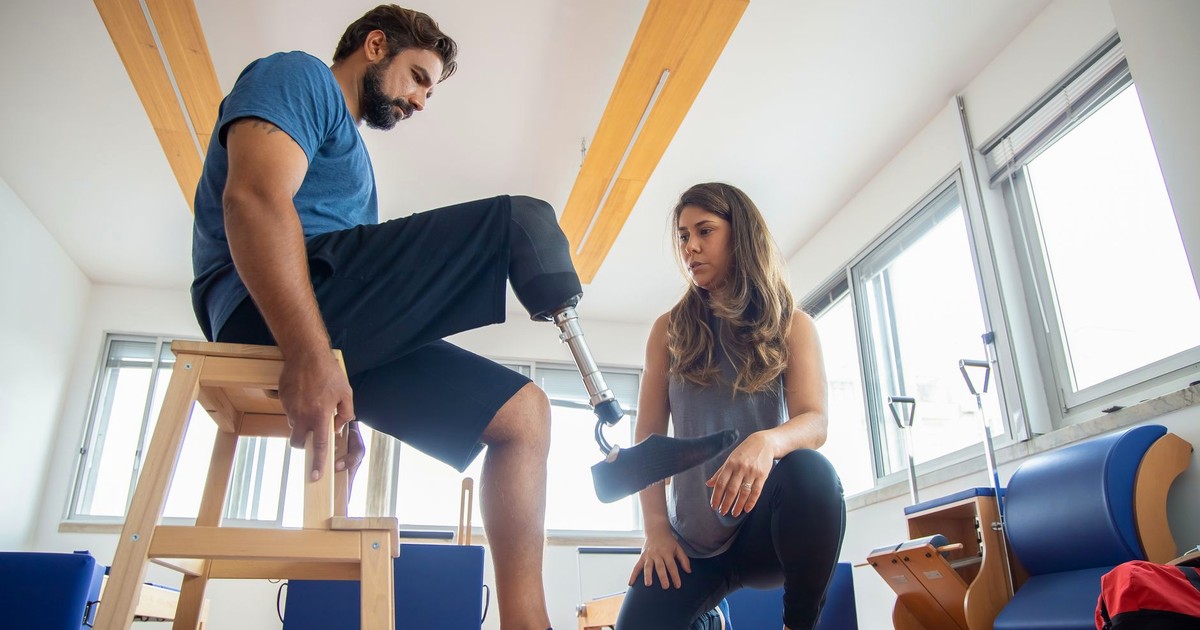
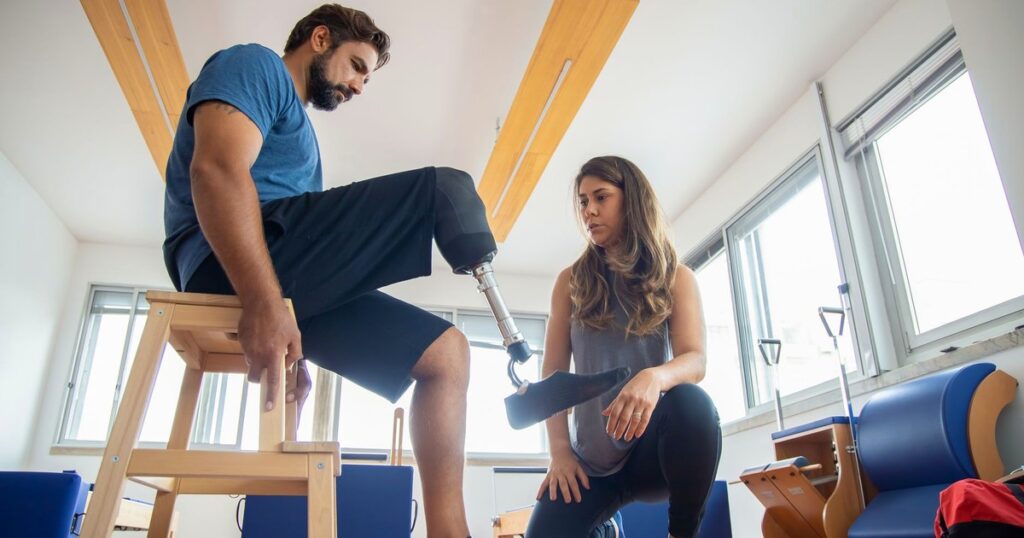
The full form of MPO is Master of Prosthetics and Orthotics. It is a postgraduate academic program focused on the advanced study and practical application of designing, fabricating, and fitting artificial limbs (prostheses) and supportive devices (orthoses) for individuals with physical disabilities or impairments.
This specialized paramedical course equips students with the knowledge and skills necessary to become highly competent professionals in the field of rehabilitation, significantly improving the quality of life for patients. The curriculum integrates medical science, engineering principles, and patient care, making it a truly interdisciplinary field.
What is Master of Prosthetics and Orthotics (MPO)? An Overview
The Master of Prosthetics and Orthotics (MPO) is a two-year postgraduate program designed for graduates who wish to specialize in the assessment, prescription, design, fabrication, fitting, and management of prosthetic and orthotic devices. It builds upon foundational knowledge gained during an undergraduate degree, delving deeper into advanced biomechanics, materials science, clinical assessment techniques, and patient management.
MPO graduates play a crucial role in multidisciplinary healthcare teams, working alongside doctors, physiotherapists, and occupational therapists. Their expertise is vital in helping patients regain mobility, reduce pain, and enhance their functional independence following trauma, disease, or congenital conditions. The program emphasizes both theoretical understanding and extensive practical training, often involving clinical rotations and hands-on workshops.
What is the Eligibility for Master of Prosthetics and Orthotics (MPO) in 2026?
To be eligible for the Master of Prosthetics and Orthotics (MPO) program in 2026, candidates typically need to hold a relevant undergraduate degree. The primary eligibility criterion is a Bachelor of Prosthetics and Orthotics (BPO) degree from a recognized university.
Specific eligibility requirements may vary slightly between institutions, but generally include:
- A Bachelor of Prosthetics and Orthotics (BPO) degree from a university recognized by the Rehabilitation Council of India (RCI).
- A minimum aggregate score, usually between 50% to 60%, in the BPO program.
- Some institutions may also consider candidates with a Bachelor of Physiotherapy (BPT) or Bachelor of Occupational Therapy (BOT) degree, provided they have completed a bridge course or possess significant relevant clinical experience. However, BPO is the most common and preferred prerequisite.
- Valid scores in entrance examinations conducted by the respective universities or national-level tests, if applicable.
How Much Does Master of Prosthetics and Orthotics (MPO) Cost in India (2026)?
The cost of pursuing a Master of Prosthetics and Orthotics (MPO) in India varies significantly based on the type of institution (government vs. private) and its reputation. Generally, government colleges offer more affordable tuition fees compared to private universities.
Here’s an estimated fee range for MPO in 2026:
| Institution Type | Annual Tuition Fee Range (INR) | Total Course Fee Range (INR) |
|---|---|---|
| Government Colleges/Universities | ₹30,000 – ₹1,00,000 | ₹60,000 – ₹2,00,000 |
| Private Colleges/Universities | ₹1,50,000 – ₹4,00,000+ | ₹3,00,000 – ₹8,00,000+ |
These figures typically cover tuition fees but may not include hostel charges, examination fees, library fees, or other miscellaneous expenses, which can add another ₹50,000 – ₹1,50,000 annually depending on the city and facilities.
What is the Admission Process for MPO in 2026?
The admission process for the Master of Prosthetics and Orthotics (MPO) program in 2026 typically involves an application, an entrance examination, and often an interview. The steps are generally as follows:
- Application Submission: Candidates must fill out the application form, usually available online on the university’s official website. This typically opens between March and May 2026.
- Entrance Examination: Most reputable institutions conduct their own entrance exams. These exams assess knowledge in subjects like Human Anatomy, Physiology, Biomechanics, Prosthetics, and Orthotics. Some national-level exams might also be accepted.
- Merit List & Counseling: Based on the entrance exam scores and academic performance in the BPO degree, a merit list is prepared. Shortlisted candidates are then called for counseling.
- Interview (Optional): Some colleges may conduct a personal interview to assess communication skills, aptitude, and motivation.
- Document Verification & Fee Payment: Selected candidates must verify their original documents and pay the first installment of fees to secure their admission.
Key Entrance Exams & Tentative Dates 2026
While specific MPO entrance exams are often university-specific, some institutions might consider scores from broader paramedical postgraduate entrance tests. Always check the specific college’s website for their accepted exams.
| Entrance Exam (Example) | Application Period (Tentative 2026) | Exam Date (Tentative 2026) | Result Date (Tentative 2026) |
|---|---|---|---|
| AIIPMR P&O Entrance Exam | April – May | June | July |
| SVNIRTAR P&O Entrance Exam | April – May | June | July |
| University Specific Exams | Varies (March – May) | Varies (May – July) | Varies (June – August) |
What is the Syllabus for Master of Prosthetics and Orthotics (MPO)?
The MPO syllabus is designed to provide advanced theoretical knowledge and practical skills across various aspects of prosthetics and orthotics. It typically covers advanced biomechanics, materials science, clinical assessment, and specialized prosthetic/orthotic applications.
A general overview of subjects covered across the two years includes:
Year 1
- Advanced Human Anatomy & Physiology
- Advanced Biomechanics & Kinesiology
- Advanced Prosthetic Science (Lower Limb)
- Advanced Orthotic Science (Lower Limb)
- Materials Science & Engineering in P&O
- Research Methodology & Biostatistics
- Clinical Practice & Patient Management
Year 2
- Advanced Prosthetic Science (Upper Limb & Spinal)
- Advanced Orthotic Science (Upper Limb & Spinal)
- Pediatric Prosthetics & Orthotics
- Geriatric Prosthetics & Orthotics
- Rehabilitation Engineering & Technology
- Clinical Biomechanics & Gait Analysis
- Project Work / Dissertation
- Clinical Rotations & Advanced Workshops
Is Master of Prosthetics and Orthotics (MPO) Worth It for Jobs and Salary?
Yes, pursuing a Master of Prosthetics and Orthotics (MPO) is generally highly worth it for job prospects and salary potential, especially given the growing demand for specialized rehabilitation professionals in India and globally. The aging population, increasing incidence of lifestyle diseases, and advancements in medical technology contribute to a steady need for skilled Prosthetists and Orthotists.
MPO graduates possess advanced skills that make them highly sought after in various healthcare settings. The specialization allows for roles with greater responsibility, better compensation, and opportunities for research and academic positions.
Career Prospects and Roles after MPO
- Senior Prosthetist & Orthotist: Designing, fabricating, and fitting complex prosthetic and orthotic devices.
- Clinical Specialist: Working in hospitals, rehabilitation centers, and private clinics, providing direct patient care.
- Rehabilitation Consultant: Advising on rehabilitation plans and device selection.
- Researcher: Contributing to the development of new materials, designs, and techniques in P&O.
- Academician/Lecturer: Teaching in BPO/MPO programs at universities.
- Product Specialist/Sales: Working with medical device companies.
- Entrepreneur: Starting private clinics or manufacturing units for P&O devices.
Salary Expectations after MPO (2026)
Salaries for MPO graduates are competitive and tend to be significantly higher than those with only a BPO degree, especially with experience. The salary also depends on the employer (government vs. private), location, and specific role.
| Job Role | Entry-Level Annual Salary (INR) | Mid-Career (3-7 Years Exp.) Annual Salary (INR) | Senior-Level (7+ Years Exp.) Annual Salary (INR) |
|---|---|---|---|
| Prosthetist & Orthotist (Clinical) | ₹3,50,000 – ₹6,00,000 | ₹6,00,000 – ₹10,00,000 | ₹10,00,000 – ₹18,00,000+ |
| Rehabilitation Consultant | ₹4,00,000 – ₹7,00,000 | ₹7,00,000 – ₹12,00,000 | ₹12,00,000 – ₹20,00,000+ |
| Academician/Lecturer | ₹3,00,000 – ₹5,00,000 | ₹5,00,000 – ₹9,00,000 | ₹9,00,000 – ₹15,00,000+ |
These are approximate ranges and can vary based on individual skills, negotiation, and the specific organization.
MPO vs. Other Paramedical Master’s Degrees: Which is Better?
Choosing between MPO and other paramedical master’s degrees depends entirely on your career aspirations, interests, and undergraduate background. Each specialization offers unique career paths and focuses.
MPO is ideal for those passionate about biomechanics, engineering principles applied to the human body, and direct patient interaction in the context of mobility and support devices. It’s a highly specialized field with a direct impact on improving physical function.
Here’s a brief comparison with other common paramedical master’s degrees:
| Course | Primary Focus | Ideal For | Common UG Prerequisite |
|---|---|---|---|
| MPO (Master of Prosthetics & Orthotics) | Design, fabrication, and fitting of artificial limbs and supportive devices. | Students interested in biomechanics, engineering, and restoring mobility for disabled individuals. | BPO |
| MPT (Master of Physiotherapy) | Physical rehabilitation, exercise therapy, pain management, and restoring movement. | Students interested in hands-on therapy, exercise science, and broad rehabilitation. | BPT |
| MOT (Master of Occupational Therapy) | Enabling individuals to participate in daily activities (occupations) through adaptive strategies and assistive devices. | Students interested in holistic rehabilitation, daily living skills, and cognitive/physical function. | BOT |
| M.Sc. Medical Lab Technology | Advanced diagnostic testing, lab management, and research in clinical pathology. | Students interested in laboratory science, diagnostics, and research. | B.Sc. MLT |
MPO offers a distinct and less saturated niche compared to some other paramedical fields, potentially leading to higher specialization and demand.
Top Colleges for Master of Prosthetics and Orthotics (MPO) in India
Several institutions in India offer quality MPO programs. When choosing a college, consider factors like RCI recognition, faculty expertise, clinical exposure, infrastructure, and placement records.
Some of the prominent institutions include (not an exhaustive list):
- All India Institute of Physical Medicine and Rehabilitation (AIIPMR), Mumbai
- Swami Vivekanand National Institute of Rehabilitation Training and Research (SVNIRTAR), Cuttack
- National Institute for Locomotor Disabilities (NILD), Kolkata
- Indian Institute of Health Education and Research (IIHER), Patna
- Christian Medical College (CMC), Vellore (offers related programs)
- Various state government medical colleges and private universities with paramedical faculties.
Always verify the RCI accreditation status of the program and institution before applying.
Explore more on FindMyCollege
Related pages for Master of Prosthetics and Orthotics aspirants on findmycollege.com:
Frequently Asked Questions
Is MPO recognized by the Rehabilitation Council of India (RCI)?
Yes, for an MPO degree to be valid for practice in India, the program and the institution offering it must be recognized and approved by the Rehabilitation Council of India (RCI). RCI is the statutory body that regulates the training and practice of rehabilitation professionals in India.
Can I pursue MPO after BPT or BOT?
While a Bachelor of Prosthetics and Orthotics (BPO) is the most common and preferred prerequisite, some institutions *may* consider candidates with a Bachelor of Physiotherapy (BPT) or Bachelor of Occupational Therapy (BOT) if they complete a mandatory bridge course or have substantial relevant clinical experience. It is crucial to check the specific eligibility criteria of each university you are interested in.
What is the scope of MPO abroad?
The scope of MPO abroad is excellent. Many developed countries face a shortage of skilled Prosthetists and Orthotists. An MPO degree from an RCI-recognized institution can open doors to postgraduate studies, clinical practice, or research opportunities in countries like the USA, Canada, UK, Australia, and New Zealand, often requiring specific licensing exams or registration with their respective regulatory bodies.
Are there any scholarships available for MPO students?
Yes, various scholarships are available for MPO students. These can include government scholarships for postgraduate studies, institutional scholarships offered by colleges, and scholarships from private organizations or NGOs working in the disability sector. Students should research and apply for scholarships based on merit, financial need, or specific categories (e.g., for students with disabilities).
What is the difference between a Prosthetist and an Orthotist?
A Prosthetist specializes in the design, fabrication, and fitting of prostheses (artificial limbs) for individuals who have lost a limb due to trauma, disease, or congenital conditions. An Orthotist specializes in the design, fabrication, and fitting of orthoses (braces or supportive devices) to support, align, prevent, or correct deformities, or improve the function of movable parts of the body.
What are the key skills required for an MPO professional?
Key skills for an MPO professional include strong knowledge of human anatomy, biomechanics, and materials science; excellent problem-solving and analytical abilities; good communication and interpersonal skills for patient interaction; dexterity and precision for fabrication; and empathy and patience to work with individuals with disabilities. Research and critical thinking skills are also vital for advanced roles.