Master of Prosthetics and Orthotics (MPO) Syllabus 2026, India
Nishit Kumar is a senior EdTech industry leader with over a decade of experience in building and scaling education platforms, shaping their product, content, and growth strategy. At…
Latest update: Master of Prosthetics and Orthotics 2026 admissions & dates updated. Read more ›
Welcome to the comprehensive guide for the Master of Prosthetics and Orthotics (MPO) Syllabus 2026 in India. This page provides an in-depth look into the curriculum, eligibility criteria, career opportunities, and financial aspects of pursuing an MPO degree, designed for prospective students and their parents.
What is the Master of Prosthetics and Orthotics (MPO) Course?
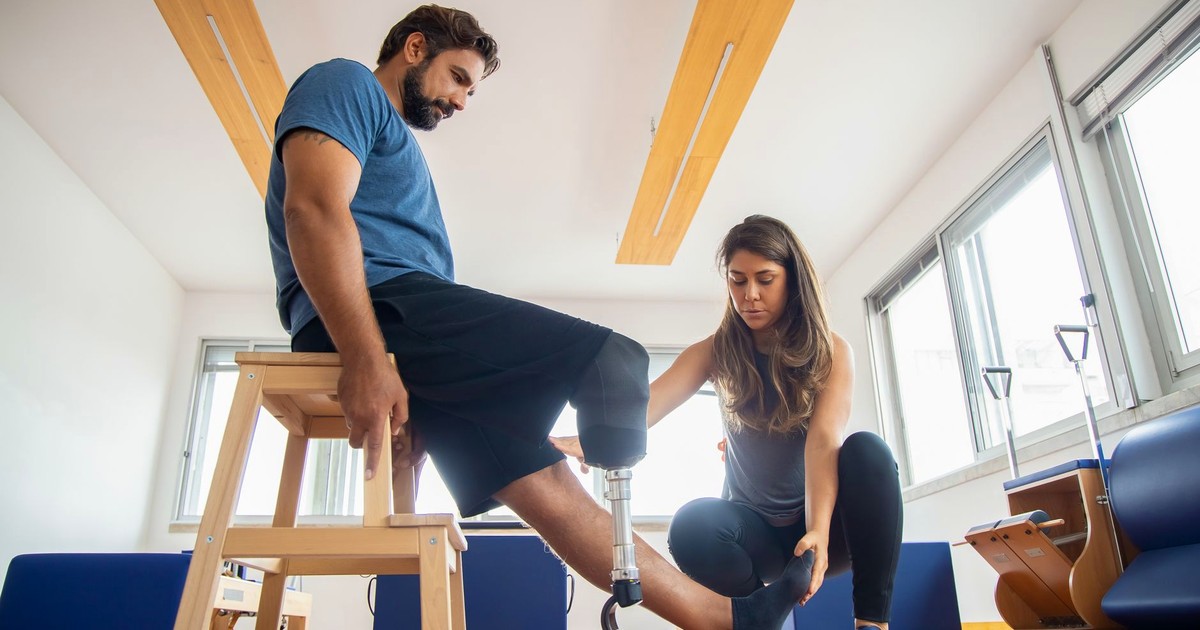
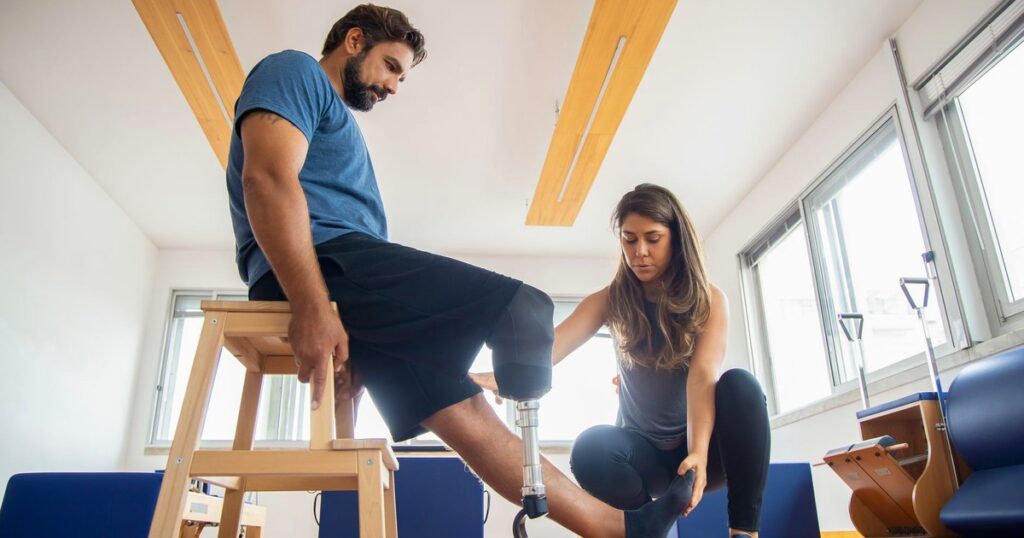
The Master of Prosthetics and Orthotics (MPO) is a specialized postgraduate paramedical course focused on the design, fabrication, and fitting of artificial limbs (prostheses) and orthopedic braces (orthoses). This program equips students with advanced clinical, technical, and research skills to help individuals with physical disabilities improve their mobility and quality of life.
What is the eligibility for Master of Prosthetics and Orthotics in 2026?
To be eligible for the Master of Prosthetics and Orthotics (MPO) program in 2026, candidates typically need to hold a Bachelor’s degree in Prosthetics and Orthotics (BPO) or an equivalent qualification from a recognized university. A minimum aggregate score, usually ranging from 50% to 60%, is often required in the undergraduate degree.
Specific eligibility criteria can vary slightly between institutions, but generally include:
- Educational Qualification: A Bachelor of Prosthetics and Orthotics (BPO) or a Bachelor of Science (Prosthetics and Orthotics) degree. Some institutions may consider related paramedical degrees with relevant experience.
- Minimum Marks: An aggregate of 50-60% in the qualifying Bachelor’s degree.
- Entrance Exams: Many top universities conduct their own entrance examinations. Some may also consider national-level postgraduate entrance scores if applicable.
- Internship/Experience: While not always mandatory, some colleges might prefer candidates with prior clinical experience or a completed internship in the field.
What is the MPO Syllabus and Subjects for 2026?
The MPO syllabus for 2026 is designed to provide a deep understanding of advanced prosthetics and orthotics, biomechanics, rehabilitation engineering, and clinical practice. The curriculum typically spans two years, divided into four semesters, with a strong emphasis on both theoretical knowledge and practical application.
MPO Semester-wise Syllabus Overview (Illustrative)
Below is an illustrative breakdown of subjects commonly covered across the MPO program. Actual subjects may vary by institution.
| Semester | Core Subjects | Practical/Clinical Focus |
|---|---|---|
| Semester I | Advanced Biomechanics, Research Methodology & Biostatistics, Advanced Prosthetic Science I (Lower Limb), Advanced Orthotic Science I (Lower Limb) | Advanced Gait Analysis, Prosthetic & Orthotic Material Science, Clinical Assessment Techniques |
| Semester II | Advanced Prosthetic Science II (Upper Limb & Spinal), Advanced Orthotic Science II (Upper Limb & Spinal), Rehabilitation Engineering, Medical & Surgical Aspects of Disability | Advanced CAD/CAM in P&O, Fabrication Techniques for Complex Devices, Clinical Case Studies |
| Semester III | Pediatric Prosthetics & Orthotics, Geriatric Prosthetics & Orthotics, Assistive Technology & Environmental Control, Professional Ethics & Practice Management | Advanced Clinical Practice & Patient Management, Research Project Proposal, Seminar Presentations |
| Semester IV | Sports Prosthetics & Orthotics, Advanced Imaging & Diagnostics in P&O, Entrepreneurship in P&O, Elective Subject | Comprehensive Clinical Rotations, Dissertation/Thesis Submission, Viva Voce |
How much does Master of Prosthetics and Orthotics cost in India?
The cost of pursuing a Master of Prosthetics and Orthotics (MPO) in India varies significantly based on the type of institution (government vs. private) and its reputation. Generally, government colleges offer more affordable fees compared to private universities.
MPO Fee Ranges (Annual, Illustrative for 2026)
| Institution Type | Annual Fee Range (INR) |
|---|---|
| Government Colleges | ₹30,000 – ₹1,00,000 |
| Private Universities | ₹1,50,000 – ₹4,00,000+ |
These figures are indicative and may not include hostel fees, examination fees, or other miscellaneous charges. Scholarships are often available for meritorious students or those from economically weaker sections.
Is Master of Prosthetics and Orthotics worth it for jobs and salary?
Yes, a Master of Prosthetics and Orthotics (MPO) is highly worth it for job prospects and salary potential, especially given the increasing demand for specialized rehabilitation professionals in India and globally. Graduates are equipped with advanced skills that are critical for patient care and technological innovation in the field.
Career Prospects and Salary Outcomes
MPO graduates can find rewarding careers in various settings, including hospitals, rehabilitation centers, private clinics, research institutions, and even in the manufacturing sector of prosthetic and orthotic devices. The demand is driven by an aging population, increasing road accidents, and congenital disabilities.
| Job Role | Average Annual Salary Range (INR) | Key Responsibilities |
|---|---|---|
| Senior Prosthetist & Orthotist | ₹4,00,000 – ₹8,00,000+ | Patient assessment, device design, fabrication, fitting, follow-up care, team leadership. |
| Clinical Specialist (P&O) | ₹5,00,000 – ₹10,00,000+ | Specialized patient care, complex case management, clinical research, training. |
| Rehabilitation Engineer | ₹4,50,000 – ₹9,00,000+ | Designing assistive technologies, adapting environments, research & development. |
| Lecturer/Professor (P&O) | ₹3,50,000 – ₹7,00,000+ | Teaching, curriculum development, academic research in P&O programs. |
| Research Scientist (P&O) | ₹5,00,000 – ₹12,00,000+ | Developing new materials, techniques, and devices; conducting clinical trials. |
| Product Specialist/Manager | ₹6,00,000 – ₹15,00,000+ | Working with manufacturers for product development, sales, and training. |
Salaries can significantly increase with experience, specialization, and working in metropolitan areas or for international organizations.
What are the top colleges for Master of Prosthetics and Orthotics in India?
Several reputable institutions across India offer the Master of Prosthetics and Orthotics program, known for their strong academic curriculum, clinical facilities, and research opportunities. Some of the top colleges include:
- All India Institute of Physical Medicine and Rehabilitation (AIIPMR), Mumbai
- National Institute for Locomotor Disabilities (NILD), Kolkata
- Indian Institute of Health Education and Research (IIHER), Patna
- Christian Medical College (CMC), Vellore (specific departments may offer related specializations)
- Some private universities with well-established paramedical faculties.
Prospective students are advised to research specific college websites for their 2026 admission cycles, entrance exam details, and updated course offerings.
What is the difference between MPO and other paramedical masters?
The Master of Prosthetics and Orthotics (MPO) is distinct from other paramedical master’s degrees due to its highly specialized focus on artificial limbs and braces. While other paramedical masters like Master of Physiotherapy (MPT) or Master of Occupational Therapy (MOT) focus on broader rehabilitation and functional restoration, MPO specifically addresses the biomechanical and engineering aspects of external support and replacement devices.
MPO vs. Other Paramedical Masters
| Course | Primary Focus | Key Skills Developed | Patient Population |
|---|---|---|---|
| MPO | Design, fabrication, and fitting of prostheses and orthoses. | Biomechanics, material science, CAD/CAM, clinical assessment, device management. | Individuals requiring artificial limbs or orthopedic braces. |
| MPT (Physiotherapy) | Physical rehabilitation, movement restoration, pain management. | Therapeutic exercises, manual therapy, electrotherapy, functional training. | Patients with musculoskeletal, neurological, cardiovascular, and respiratory conditions. |
| MOT (Occupational Therapy) | Enabling participation in daily activities, adapting environments. | Activity analysis, adaptive equipment, cognitive rehabilitation, psychosocial support. | Individuals with physical, cognitive, sensory, or psychosocial challenges affecting daily life. |
What are the admission process and entrance exams for MPO in 2026?
The admission process for MPO in 2026 typically involves an application, an entrance examination, and sometimes an interview. Key dates and patterns vary by institution.
Typical Admission Process Steps:
- Application: Fill out the online or offline application form, usually available from March to June.
- Entrance Exam: Appear for the university’s entrance exam, often held between June and August.
- Merit List/Interview: Shortlisted candidates based on exam scores may be called for an interview or counseling.
- Admission & Enrollment: Final admission offers are made, followed by fee payment and document verification.
Common Entrance Exam Pattern (Illustrative)
Entrance exams for MPO typically assess knowledge in core BPO subjects, general aptitude, and English.
| Section | Topics Covered | Weightage (Approx.) |
|---|---|---|
| Prosthetics & Orthotics | Biomechanics, Kinesiology, Materials, Clinical P&O, Anatomy, Physiology | 60-70% |
| General Aptitude/Reasoning | Logical reasoning, quantitative aptitude, data interpretation | 15-20% |
| English Language | Grammar, vocabulary, comprehension | 10-15% |
It is crucial to check the specific exam pattern and syllabus for each college you plan to apply to.
Explore more on FindMyCollege
Related pages for Master of Prosthetics and Orthotics aspirants on findmycollege.com:
Frequently Asked Questions
Is MPO a good career choice for women?
Yes, MPO is an excellent career choice for women. The field offers a blend of clinical care, technical skill, and compassionate patient interaction, making it highly suitable for individuals of all genders. Many women excel in this profession, contributing significantly to patient rehabilitation and research.
What are the research opportunities after MPO?
After completing MPO, graduates have significant research opportunities. They can pursue a Ph.D. in Prosthetics and Orthotics, Rehabilitation Engineering, Biomechanics, or related fields. Research roles are available in academic institutions, specialized rehabilitation centers, and R&D departments of medical device companies, focusing on developing new materials, designs, and clinical techniques.
Can I pursue MPO through distance learning?
No, the Master of Prosthetics and Orthotics (MPO) is a highly practical and clinical course that requires extensive hands-on training, laboratory work, and direct patient interaction. Therefore, it is not offered through distance learning modes. Full-time, on-campus study is mandatory to gain the necessary skills and competencies.
What are the international career prospects for MPO graduates?
International career prospects for MPO graduates are strong. The demand for qualified prosthetists and orthotists is global, particularly in developed countries with advanced healthcare systems. Graduates can seek employment in hospitals, private clinics, and rehabilitation centers in countries like the USA, Canada, UK, Australia, and the Middle East, often requiring specific licensure or registration processes in those countries.
Are there any specializations within MPO?
While MPO itself is a specialization, some programs or post-MPO fellowships might allow for deeper focus areas such as Pediatric Prosthetics and Orthotics, Geriatric P&O, Sports P&O, Advanced Biomechanics, or Rehabilitation Robotics. These specializations are usually pursued through advanced training, research, or specific clinical rotations.
What skills are essential for a successful MPO professional?
Essential skills for a successful MPO professional include strong analytical and problem-solving abilities, excellent communication and interpersonal skills for patient interaction, manual dexterity for fabrication, a keen eye for detail, empathy, and a solid understanding of anatomy, physiology, and biomechanics. Continuous learning and adaptability to new technologies are also crucial.