M.Sc in Radiology Entrance Exams India 2026: Your Guide
Nishit Kumar is a senior EdTech industry leader with over a decade of experience in building and scaling education platforms, shaping their product, content, and growth strategy. At…
Latest update: M.Sc in Radiology 2026 admissions & dates updated. Read more ›
Planning to pursue an M.Sc in Radiology in India for the 2026 academic year? This comprehensive guide covers everything you need to know about the entrance exams, eligibility criteria, application process, syllabus, top colleges, and career prospects. Understanding the competitive landscape and preparing effectively is crucial for securing admission to a reputable institution.
What is M.Sc in Radiology and Why Pursue It?
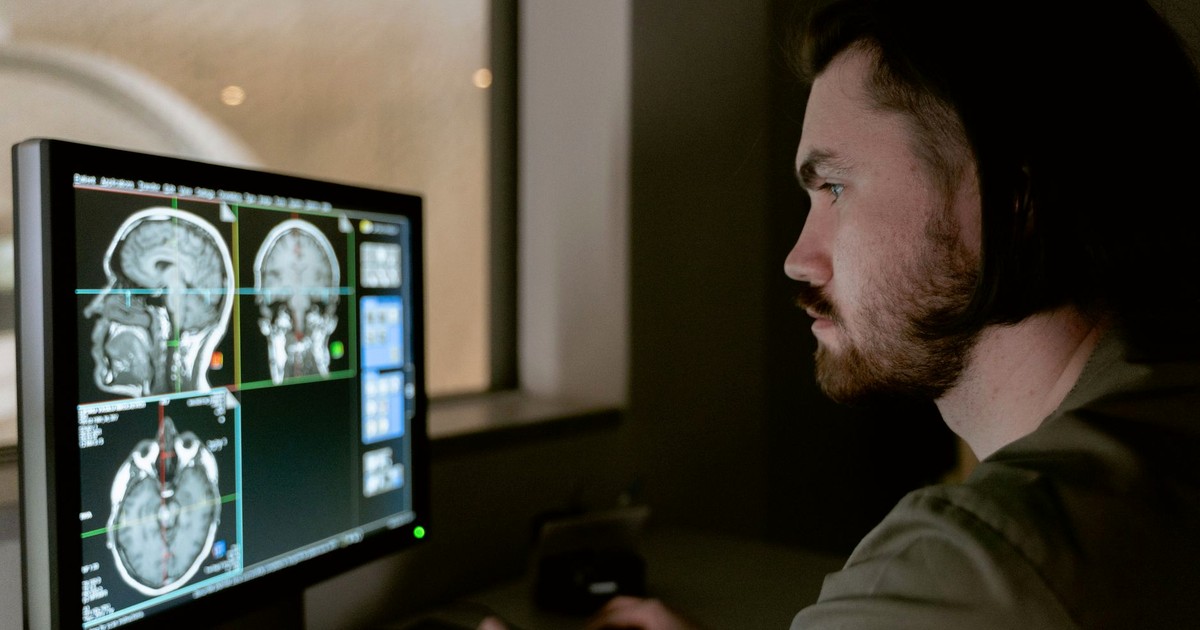
An M.Sc in Radiology is a postgraduate science program focused on the study and application of various imaging techniques, such as X-rays, MRI, CT scans, ultrasound, and nuclear medicine, for diagnosing and treating diseases. This course is ideal for science graduates seeking to specialize in the technical and scientific aspects of medical imaging, distinct from the clinical practice of a radiologist (which requires an MBBS followed by an MD/DNB in Radiology).
Pursuing an M.Sc in Radiology offers a pathway into a rapidly evolving field with high demand for skilled professionals. Graduates play a vital role in healthcare, working alongside radiologists and other medical professionals to operate advanced imaging equipment, process images, and contribute to patient diagnosis and care. The program typically spans 2 years, divided into four semesters.
What is the Eligibility for M.Sc in Radiology Entrance Exams in India?
To be eligible for M.Sc in Radiology entrance exams, candidates typically need a Bachelor’s degree in a relevant science stream with a minimum aggregate percentage. The most common eligibility criteria include:
- A B.Sc in Radiography/Medical Imaging Technology from a recognized university.
- Alternatively, a B.Sc in Physics, Chemistry, Mathematics, Biology, or Life Sciences with a minimum of 50-60% aggregate marks (may vary by institution). Some colleges might require Physics as a compulsory subject at the undergraduate level.
- For certain institutions, a B.Voc in Medical Imaging Technology or equivalent may also be accepted.
- There is usually no upper age limit for M.Sc in Radiology admissions, but candidates should check specific university guidelines.
- Edge Case: Students with a B.Sc in other allied health sciences might be considered if they have relevant work experience or have completed specific bridge courses, though this is less common. Always verify with the target institution.
Which are the Top Entrance Exams for M.Sc in Radiology in India?
Admission to M.Sc in Radiology programs in India is primarily through university-specific entrance exams or, in some cases, state-level common entrance tests. There isn’t a single national-level exam for all M.Sc Radiology admissions. Key exams include:
- AIIMS PG Entrance Exam (for M.Sc courses): Conducted by AIIMS, Delhi, for admission to its M.Sc programs, including Radiology. Highly competitive.
- JIPMER M.Sc Entrance Exam: For admission to M.Sc courses at JIPMER, Puducherry.
- Manipal University M.Sc Entrance Exam (MET): For various M.Sc programs at Manipal Academy of Higher Education (MAHE).
- SRM Joint Entrance Examination (SRMJEE PG): For postgraduate admissions at SRM Institute of Science and Technology.
- Amrita Vishwa Vidyapeetham M.Sc Entrance Exam: For M.Sc programs at Amrita University.
- Other University-Specific Exams: Many state universities and private institutions conduct their own entrance tests. Examples include CMC Vellore, King George’s Medical University (KGMU), etc.
M.Sc in Radiology Entrance Exam Pattern and Syllabus 2026
Most M.Sc in Radiology entrance exams follow a similar pattern, testing candidates on their undergraduate knowledge. The typical exam pattern includes:
- Mode: Online (Computer-Based Test – CBT) or Offline (Pen-Paper).
- Duration: 90-180 minutes.
- Question Type: Multiple Choice Questions (MCQs).
- Sections: Generally includes sections on Physics, Chemistry, Biology/Life Sciences, General Aptitude, and sometimes specific questions related to Radiography/Medical Imaging fundamentals.
- Marking Scheme: Usually +1 or +4 for correct answers, with negative marking (e.g., -0.25 or -1) for incorrect answers in competitive exams.
The syllabus for M.Sc in Radiology entrance exams primarily covers topics from the undergraduate B.Sc level, with an emphasis on:
- Physics: Radiation Physics, Medical Physics, Electromagnetism, Optics, Mechanics.
- Chemistry: General Chemistry, Organic & Inorganic Chemistry basics, Biochemistry (relevant to human body).
- Biology/Life Sciences: Human Anatomy, Physiology, Pathology, Cell Biology, Genetics.
- Radiography/Medical Imaging Fundamentals: Basic principles of X-ray production, radiation safety, imaging modalities (CT, MRI, Ultrasound basics), image processing, darkroom procedures (if applicable).
- General Aptitude/English: Logical reasoning, quantitative aptitude, general English comprehension.
Here’s a generalized overview of exam patterns for some prominent institutions:
| Exam Name | Mode | Duration | Sections/Subjects | Total Questions | Negative Marking |
|---|---|---|---|---|---|
| AIIMS PG (M.Sc) | Online (CBT) | 90 mins | Physics, Chemistry, Biology (UG level) | 90 | Yes |
| JIPMER M.Sc | Online (CBT) | 90 mins | Physics, Chemistry, Biology, English, Aptitude | 100 | Yes |
| Manipal MET (M.Sc) | Online (CBT) | 120 mins | Physics, Chemistry, Biology, General Aptitude | 100-120 | Yes |
| SRMJEE PG | Online (CBT) | 150 mins | Physics, Chemistry, Biology/Maths, Aptitude | 100 | Yes |
What are the Application Process and Key Dates for M.Sc in Radiology Entrance Exams 2026?
The application process for M.Sc in Radiology entrance exams typically involves online registration, filling out the application form, uploading documents, and paying the application fee. Key steps and approximate dates for 2026 are:
- Online Registration: Visit the official website of the respective university/exam body.
- Fill Application Form: Provide personal, academic, and contact details accurately.
- Upload Documents: Scan and upload photographs, signatures, mark sheets, and degree certificates as per specifications.
- Pay Application Fee: Fees range from INR 1,000 to INR 2,500 for general categories, often lower for reserved categories. Payment is usually online.
- Admit Card Download: Admit cards are released a few weeks before the exam.
- Appear for Exam: Take the entrance test as scheduled.
- Result Declaration: Results are typically announced within a few weeks of the exam.
- Counseling/Interview: Shortlisted candidates attend counseling or interviews for final admission.
Tentative Key Dates for M.Sc in Radiology Entrance Exams 2026:
| Event | AIIMS PG (M.Sc) | JIPMER M.Sc | Manipal MET (M.Sc) | Other University Exams |
|---|---|---|---|---|
| Application Start | November 2025 | March 2026 | October 2025 | Jan – April 2026 |
| Application End | December 2025 | April 2026 | March 2026 | April – May 2026 |
| Admit Card Release | January 2026 | May 2026 | April 2026 | May 2026 |
| Exam Date | February 2026 | June 2026 | April – May 2026 | June 2026 |
| Result Declaration | March 2026 | July 2026 | May – June 2026 | July 2026 |
Note: These dates are tentative and based on previous years’ schedules. Candidates must refer to the official university websites for the most accurate and updated information for 2026.
How Much Does M.Sc in Radiology Cost in India (Fees)?
The cost of pursuing an M.Sc in Radiology in India varies significantly between government and private institutions. Generally, government colleges offer more affordable fees compared to private universities.
- Government Colleges/Universities: The annual tuition fees can range from INR 10,000 to INR 80,000. This includes institutions like AIIMS, JIPMER, and state government universities.
- Private Colleges/Universities: Fees in private institutions are considerably higher, typically ranging from INR 80,000 to INR 3,00,000 per annum. Top private universities with advanced facilities often fall into the higher end of this spectrum.
Additional costs include hostel fees (if applicable), examination fees, study materials, and living expenses. Scholarships are available based on merit or financial need from various government schemes and private organizations.
Is M.Sc in Radiology Worth It for Jobs and Salary Outcomes?
Yes, an M.Sc in Radiology is a highly valuable qualification, offering excellent job prospects and competitive salary outcomes in the healthcare sector. The demand for skilled radiology technologists and imaging specialists is consistently growing due to advancements in medical technology and an increasing need for diagnostic services.
Graduates can find employment in hospitals, diagnostic centers, research institutions, and even in academic roles. The career path is stable and offers opportunities for continuous learning and specialization.
Career Prospects and Salary Ranges After M.Sc in Radiology:
After completing an M.Sc in Radiology, graduates can pursue various roles. Initial salaries depend on the institution, location, and specific role, but tend to grow significantly with experience and further specialization.
| Job Role | Description | Average Starting Salary (INR per annum) | Average Mid-Career Salary (INR per annum) |
|---|---|---|---|
| Radiology Technologist/Technician | Operates imaging equipment (X-ray, CT, MRI) and assists radiologists. | 3,00,000 – 5,00,000 | 5,00,000 – 10,00,000+ |
| MRI Technologist | Specializes in operating MRI scanners and ensuring image quality. | 3,50,000 – 6,00,000 | 6,00,000 – 12,00,000+ |
| CT Technologist | Specializes in operating CT scanners and performing related procedures. | 3,20,000 – 5,50,000 | 5,50,000 – 11,00,000+ |
| Ultrasound Technologist | Performs ultrasound examinations and assists in diagnosis. | 3,00,000 – 5,00,000 | 5,00,000 – 9,00,000+ |
| Application Specialist (Medical Imaging) | Works for equipment manufacturers, training users and providing technical support. | 4,00,000 – 7,00,000 | 7,00,000 – 15,00,000+ |
| Research Assistant/Scientist | Involved in research and development of new imaging techniques. | 3,50,000 – 6,00,000 | 6,00,000 – 12,00,000+ |
Note: Salaries are indicative and can vary based on factors like experience, employer reputation, location (metro vs. non-metro), and additional certifications.
M.Sc in Radiology vs. Other Allied Health PG Courses: A Comparison
While M.Sc in Radiology offers a specialized path, it’s helpful to compare it with other allied health postgraduate courses to understand its unique position.
- M.Sc in Medical Laboratory Technology (MLT): Focuses on laboratory diagnostics (blood tests, microbiology, pathology). M.Sc Radiology is imaging-focused.
- M.Sc in Perfusion Technology: Specializes in operating heart-lung machines during cardiac surgeries. Very niche and surgery-centric.
- M.Sc in Anaesthesia Technology: Focuses on assisting anaesthesiologists in patient monitoring and equipment management.
- M.Sc in Optometry: Deals with eye care, vision correction, and ocular health.
M.Sc in Radiology stands out for its direct involvement with high-tech diagnostic imaging equipment and its critical role in disease diagnosis, making it a distinct and in-demand specialization within the allied health sciences.
How to Prepare Effectively for M.Sc in Radiology Entrance Exams?
Effective preparation is key to cracking M.Sc in Radiology entrance exams. Here are some strategies:
- Understand the Syllabus: Thoroughly review the syllabus for each target exam and identify common topics.
- Strengthen Fundamentals: Revisit B.Sc level Physics, Chemistry, and Biology (especially Anatomy & Physiology).
- Focus on Radiology Basics: If your undergraduate degree was in Radiography, revise principles of imaging, radiation safety, and equipment.
- Study Material: Use standard textbooks for B.Sc science subjects and specialized books for medical imaging technology.
- Practice Previous Year Papers: Solve as many previous year question papers as possible to understand the exam pattern, question types, and time management.
- Mock Tests: Regularly take mock tests to simulate exam conditions and identify areas for improvement.
- Time Management: Develop a study schedule and allocate sufficient time to each subject.
- Stay Updated: Keep an eye on official notifications for exam dates, syllabus changes, and application deadlines.
Explore more on FindMyCollege
Related pages for M.Sc in Radiology aspirants on findmycollege.com:
Frequently Asked Questions
Is an M.Sc in Radiology equivalent to an MD in Radiology?
No, an M.Sc in Radiology is not equivalent to an MD in Radiology. An M.Sc is a postgraduate science degree focused on the technical and scientific aspects of medical imaging, typically for technologists. An MD (Doctor of Medicine) in Radiology is a postgraduate medical degree pursued by MBBS doctors to become clinical radiologists, who diagnose and treat diseases using imaging and interpret results.
Can I pursue M.Sc in Radiology after a B.Sc in any science stream?
While a B.Sc in Radiography/Medical Imaging Technology is preferred, many institutions do accept a B.Sc in Physics, Chemistry, Biology, or Life Sciences, often with a minimum aggregate percentage (e.g., 50-60%). Always check the specific eligibility criteria of your target university.
Are there any distance learning options for M.Sc in Radiology?
M.Sc in Radiology is primarily offered as a full-time, on-campus program due to the extensive practical and hands-on training required with sophisticated imaging equipment. Distance learning options are very rare and generally not recommended for this specialized field.
What is the typical duration of an M.Sc in Radiology program?
The M.Sc in Radiology program typically has a duration of 2 years, divided into four semesters. This includes both theoretical coursework and extensive practical training.
Do I need to clear NEET PG for M.Sc in Radiology admission?
No, NEET PG is for admission to MD/MS and PG Diploma courses for MBBS graduates. For M.Sc in Radiology, you need to clear specific entrance exams conducted by individual universities or institutions, such as AIIMS PG (for M.Sc), JIPMER M.Sc Entrance, or other university-specific tests.
What are the career prospects abroad after M.Sc in Radiology from India?
Graduates with an M.Sc in Radiology from India can explore career opportunities abroad, particularly in countries with high demand for skilled medical imaging technologists (e.g., UK, Canada, Australia, Middle East). However, they may need to clear specific licensing exams, fulfill registration requirements, and sometimes undertake additional training or certifications in the destination country.
Is there any age limit for M.Sc in Radiology entrance exams?
Generally, there is no upper age limit for M.Sc in Radiology entrance exams in India. However, it is always advisable to check the specific prospectus of the university or institution you are applying to, as some may have their own age criteria.