M.Sc in Radiology Syllabus 2026: Course Details, Fees & Jobs
Nishit Kumar is a senior EdTech industry leader with over a decade of experience in building and scaling education platforms, shaping their product, content, and growth strategy. At…
Latest update: M.Sc in Radiology 2026 admissions & dates updated. Read more ›
Welcome to the comprehensive guide for the M.Sc in Radiology Syllabus 2026 in India. This page provides an in-depth look at the curriculum, eligibility criteria, admission process, fees, career opportunities, and frequently asked questions for students aspiring to pursue a Master of Science in Radiology.
What is M.Sc in Radiology?
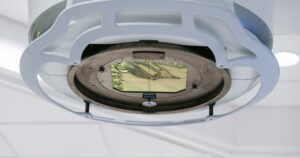
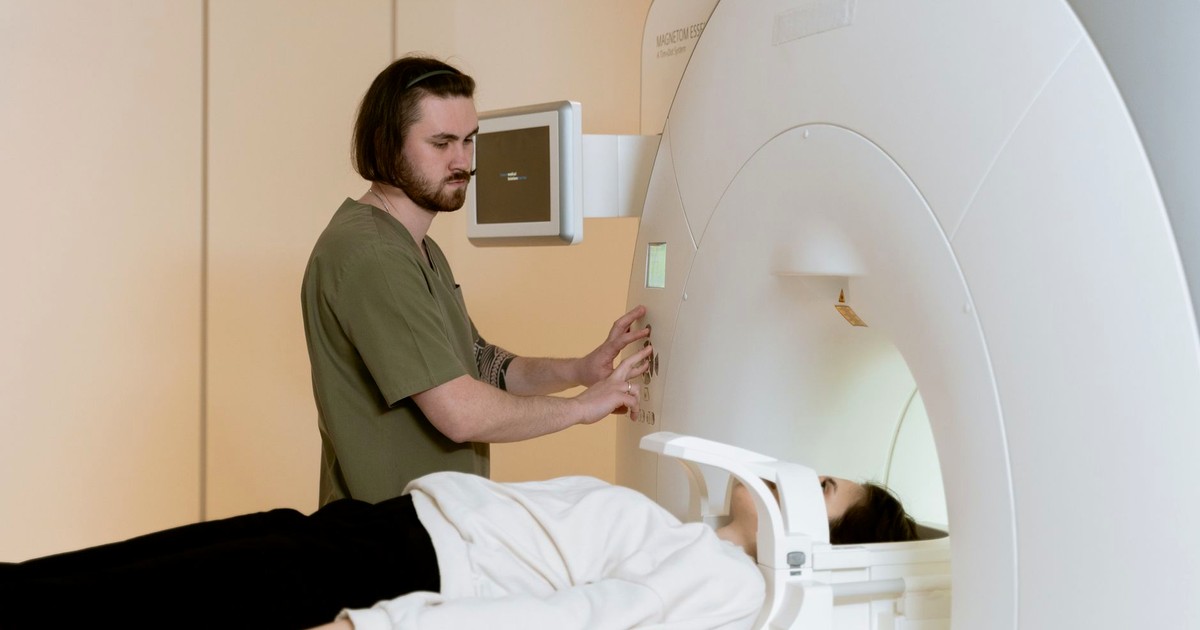
M.Sc in Radiology is a postgraduate academic program focused on the scientific principles and practical applications of medical imaging techniques. This two-year, full-time course, typically offered under the Science stream, delves into advanced topics such as X-rays, MRI, CT scans, ultrasound, and nuclear medicine, preparing students for roles as radiology technologists, imaging scientists, or researchers.
The program emphasizes both theoretical knowledge and hands-on training, equipping graduates with the skills to operate sophisticated imaging equipment, analyze images, and contribute to diagnostic processes. It is distinct from an MD (Doctor of Medicine) in Radiology, which is a clinical postgraduate medical degree for doctors.
What is the eligibility for M.Sc in Radiology?
To be eligible for an M.Sc in Radiology, candidates typically need a Bachelor’s degree in a relevant science discipline, often with a minimum aggregate score. The specific criteria can vary between institutions but generally include a B.Sc in Radiography, Medical Imaging Technology, or a related field.
Key Eligibility Criteria:
- Educational Qualification: A Bachelor’s degree (B.Sc) in Radiography, Medical Imaging Technology, Medical Lab Technology, or a related allied health science field from a recognized university. Some institutions may also accept B.Sc in Physics, Chemistry, or Biology if accompanied by relevant clinical experience or a diploma in radiography.
- Minimum Marks: Generally, a minimum aggregate of 50-60% in the qualifying Bachelor’s degree is required. Reserved categories may have a relaxation in this percentage.
- Age Limit: While most colleges do not impose an upper age limit, some might have specific guidelines.
- Entrance Exams: Many reputable institutions conduct their own entrance examinations, followed by an interview, for admission.
What is the M.Sc in Radiology Syllabus and Subjects?
The M.Sc in Radiology syllabus is designed to provide a comprehensive understanding of advanced imaging modalities, radiation physics, patient care, and research methodologies. The curriculum is typically spread across four semesters, combining theoretical lectures, practical sessions, and project work.
M.Sc in Radiology Semester-wise Syllabus (Illustrative)
The following table provides a general overview of subjects covered across the semesters. Actual subjects may vary slightly by institution.
| Semester | Core Subjects | Practical/Elective Subjects |
|---|---|---|
| Semester I |
|
|
| Semester II |
|
|
| Semester III |
|
|
| Semester IV |
|
|
People Also Read


How much does M.Sc in Radiology cost? (Fees in India)
The cost of pursuing an M.Sc in Radiology in India varies significantly based on the type of institution (government vs. private), its reputation, and location. Generally, government colleges offer more affordable fees compared to private universities.
M.Sc in Radiology Fee Ranges (Annual, 2026 Estimates):
- Government Colleges: ₹20,000 – ₹1,00,000 per annum
- Private Colleges/Universities: ₹80,000 – ₹3,50,000 per annum
These figures are indicative and do not include hostel fees, examination fees, or other miscellaneous charges which can add to the overall cost.
What is the admission process for M.Sc in Radiology in 2026?
The admission process for M.Sc in Radiology in 2026 typically involves applying to colleges, appearing for entrance examinations, and participating in counseling or interview rounds. Key steps include:
- Application: Fill out the online or offline application form for your chosen colleges, usually available from March to June.
- Entrance Exam: Appear for university-specific or national-level entrance exams. Some common exams include AIIMS PG, JIPMER PG, or institutional entrance tests.
- Merit List: Based on entrance exam scores and academic performance, a merit list is prepared.
- Counseling/Interview: Shortlisted candidates are called for counseling, group discussions, or personal interviews.
- Document Verification & Fee Payment: Upon selection, candidates must verify their documents and pay the first installment of fees to secure admission.
Key Admission Dates & Exam Pattern (Illustrative for 2026)
| Event | Tentative Dates (2026) | Details |
|---|---|---|
| Application Period | March – June | Online application forms released by colleges. |
| Entrance Exams | June – July | University-specific or common entrance tests (e.g., AIIMS PG for allied health). |
| Result Declaration | July – August | Merit lists published. |
| Counseling/Interviews | August | Shortlisted candidates attend counseling sessions. |
| Session Commencement | September | Classes typically begin. |
Entrance Exam Pattern: Most exams consist of Multiple Choice Questions (MCQs) covering subjects like General Aptitude, English, General Knowledge, and core subjects from the Bachelor’s degree (e.g., Anatomy, Physiology, Physics of Imaging, Radiographic Techniques).
Is M.Sc in Radiology worth it for jobs? (Career & Salary Outcomes)
Yes, an M.Sc in Radiology is a highly valuable qualification for securing specialized jobs in the healthcare sector, offering promising career growth and competitive salaries. Graduates are in demand in hospitals, diagnostic centers, research institutions, and academic settings.
Career Prospects and Average Salary (Annual, India, 2026 Estimates)
The career path for M.Sc Radiology graduates is robust, with various specialized roles available. Salaries can vary based on experience, employer (private hospital vs. government), and location.
| Job Role | Description | Average Annual Salary Range (INR) |
|---|---|---|
| Radiology Technologist/Technician | Operates imaging equipment (X-ray, CT, MRI) to produce diagnostic images. | ₹3,00,000 – ₹7,00,000 |
| MRI Technologist | Specializes in operating MRI scanners and assisting radiologists. | ₹3,50,000 – ₹8,00,000 |
| CT Technologist | Focuses on operating CT scanners and performing CT procedures. | ₹3,20,000 – ₹7,50,000 |
| Ultrasound Technologist/Sonographer | Performs ultrasound examinations and assists in diagnosis. | ₹3,00,000 – ₹6,50,000 |
| Application Specialist | Provides technical support and training for medical imaging equipment to clients. | ₹4,00,000 – ₹9,00,000 |
| Imaging Scientist/Researcher | Involved in research and development of new imaging techniques and technologies. | ₹5,00,000 – ₹12,00,000+ |
| PACS Administrator | Manages Picture Archiving and Communication Systems in hospitals. | ₹4,50,000 – ₹10,00,000 |
M.Sc in Radiology vs. MD in Radiology: What’s the difference?
The primary difference lies in their scope and target audience: M.Sc in Radiology is a Master of Science degree for allied health professionals focusing on the technical and scientific aspects of imaging, while MD in Radiology is a Doctor of Medicine degree for MBBS graduates, focusing on the clinical diagnosis and interpretation of images.
Comparison Table: M.Sc in Radiology vs. MD in Radiology
| Feature | M.Sc in Radiology | MD in Radiology |
|---|---|---|
| Degree Type | Master of Science (Academic) | Doctor of Medicine (Clinical) |
| Eligibility | B.Sc in Radiography/MIT or related science field | MBBS degree |
| Focus | Operating imaging equipment, technical aspects, radiation physics, research. | Diagnosing diseases, interpreting images, clinical decision-making, patient management. |
| Role | Radiology Technologist, Imaging Scientist, Researcher, Educator. | Radiologist (Medical Doctor), Consultant. |
| Duration | 2 years | 3 years |
| Entrance Exam | University-specific exams, sometimes AIIMS PG (allied health). | NEET PG, AIIMS PG, JIPMER PG. |
What are the top colleges for M.Sc in Radiology in India?
Several reputable institutions across India offer high-quality M.Sc in Radiology programs, known for their infrastructure, faculty, and clinical exposure. Some of the top colleges include:
- All India Institute of Medical Sciences (AIIMS), Delhi
- Postgraduate Institute of Medical Education and Research (PGIMER), Chandigarh
- Manipal Academy of Higher Education (MAHE), Manipal
- Christian Medical College (CMC), Vellore
- SRM Institute of Science and Technology, Chennai
- Amrita Vishwa Vidyapeetham, Coimbatore
- Jawaharlal Institute of Postgraduate Medical Education and Research (JIPMER), Puducherry
- NIMS University, Jaipur
- Lovely Professional University (LPU), Phagwara
Explore more on FindMyCollege
Related pages for M.Sc in Radiology aspirants on findmycollege.com:
Frequently Asked Questions
Can I pursue M.Sc in Radiology after a B.Sc in Physics?
While a B.Sc in Radiography or Medical Imaging Technology is preferred, some institutions may consider candidates with a B.Sc in Physics, especially if they have a diploma in radiography or relevant clinical experience. It’s crucial to check the specific eligibility criteria of each college.
What is the scope of M.Sc in Radiology abroad?
An M.Sc in Radiology offers good scope abroad, particularly in countries like the UK, USA, Canada, Australia, and parts of Europe. Graduates can find roles as radiographers, imaging technologists, or pursue further specialization/research, though licensing and registration requirements vary by country.
Are there any scholarships available for M.Sc in Radiology students?
Yes, various scholarships are available. These can be offered by government bodies, private organizations, or the institutions themselves based on merit, financial need, or specific categories. Students should inquire with their chosen colleges and explore national scholarship portals.
What is the difference between an M.Sc in Radiology and an M.Sc in Medical Imaging Technology?
These terms are often used interchangeably, and the curriculum is largely similar. M.Sc in Medical Imaging Technology might sometimes have a slightly broader focus encompassing various imaging modalities and their technological aspects, while M.Sc in Radiology specifically emphasizes the scientific principles behind radiological imaging. Always review the detailed syllabus of each program.
What are the higher study options after M.Sc in Radiology?
After completing an M.Sc in Radiology, graduates can pursue higher education such as a Ph.D. in Medical Imaging, Biomedical Engineering, or related fields. This path is ideal for those interested in research, academia, or advanced scientific roles.
Is an M.Sc in Radiology a clinical degree?
No, an M.Sc in Radiology is primarily an academic and technical degree, not a clinical one. It trains professionals to operate imaging equipment, understand the physics of imaging, and assist in diagnostic processes. Clinical diagnosis and patient treatment are the domain of medical doctors (MD in Radiology).