Bachelor in Medical Microbiology (B.Sc.) India 2026: Overview
Nishit Kumar is a senior EdTech industry leader with over a decade of experience in building and scaling education platforms, shaping their product, content, and growth strategy. At…
Latest update: Bachelor in Medical Microbiology 2026 admissions & dates updated. Read more ›
Welcome to the comprehensive overview of the Bachelor in Medical Microbiology (B.Sc. Medical Microbiology) program in India for the academic year 2026. This page is designed to provide prospective students and their parents with a detailed understanding of this vital undergraduate degree, covering everything from what it entails to career opportunities and financial considerations. Medical Microbiology is a fascinating and critical field that focuses on the study of microorganisms (bacteria, viruses, fungi, parasites) that cause diseases in humans, and the diagnostic, therapeutic, and preventive measures against them. It’s a cornerstone of modern medicine and public health.
What is Bachelor in Medical Microbiology?
The Bachelor in Medical Microbiology (B.Sc. Medical Microbiology) is an undergraduate degree program that provides students with in-depth knowledge and practical skills in the identification, characterization, and control of pathogenic microorganisms. The curriculum typically covers immunology, virology, bacteriology, mycology, parasitology, molecular biology, and diagnostic techniques relevant to clinical settings.
This program is ideal for students passionate about understanding infectious diseases, laboratory diagnostics, and contributing to healthcare and research. Graduates play a crucial role in hospitals, diagnostic labs, research institutions, and pharmaceutical industries.
What is the eligibility for Bachelor in Medical Microbiology in India for 2026?
To be eligible for the Bachelor in Medical Microbiology program in India for the 2026 academic year, candidates must have successfully completed their 10+2 (or equivalent) examination with a science stream, typically with Physics, Chemistry, and Biology (PCB) as compulsory subjects. Some institutions may also accept candidates with Physics, Chemistry, and Mathematics (PCM) if they have a strong interest in the biological aspects and are willing to catch up on foundational biology.
- Academic Requirement: Minimum aggregate marks in 10+2, usually ranging from 45% to 60%, depending on the institution and category (General, OBC, SC/ST).
- Subject Combination: Physics, Chemistry, and Biology are almost universally required. English is also mandatory.
- Age Limit: While not common for B.Sc. programs, some universities might have a minimum age criterion, typically 17 years as of December 31st of the admission year.
- Entrance Exams: Many reputable universities and colleges conduct their own entrance examinations. Some may also consider national or state-level entrance scores if applicable, though this is less common for B.Sc. Medical Microbiology specifically compared to MBBS or B.Pharm.
How long is the Bachelor in Medical Microbiology course duration?
The Bachelor in Medical Microbiology program in India is typically a three-year full-time undergraduate course. The academic year is usually divided into six semesters, with two semesters per year.
What is the syllabus and subjects covered in B.Sc. Medical Microbiology?
The B.Sc. Medical Microbiology syllabus is comprehensive, designed to build a strong foundation in microbial sciences and their medical applications. It progresses from fundamental concepts to advanced diagnostic and research methodologies.
Typical Semester-wise Subject Breakdown (Illustrative)
| Semester | Core Subjects | Elective/Allied Subjects (Examples) |
|---|---|---|
| Year 1 (Sem 1 & 2) | General Microbiology, Biochemistry, Cell Biology, Basic Immunology, Microbial Physiology | Biostatistics, Environmental Science, English Communication |
| Year 2 (Sem 3 & 4) | Bacteriology, Virology, Mycology, Parasitology, Molecular Biology, Microbial Genetics | Bioinformatics, Recombinant DNA Technology, Medical Laboratory Technology |
| Year 3 (Sem 5 & 6) | Clinical Microbiology, Diagnostic Microbiology, Epidemiology, Public Health Microbiology, Antimicrobial Agents | Quality Control in Labs, Industrial Microbiology, Research Project/Dissertation |
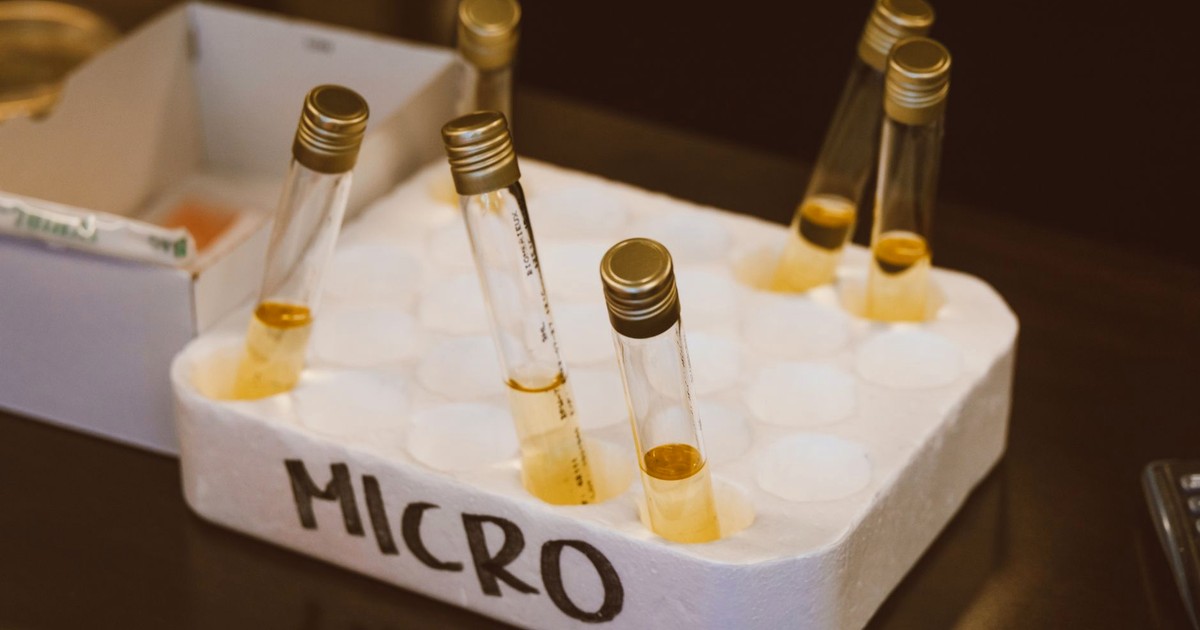
Practical laboratory sessions are an integral part of almost every subject, ensuring students gain hands-on experience with culturing, staining, identification, and diagnostic techniques.
How much does Bachelor in Medical Microbiology cost in India (2026 Fees)?
The cost of pursuing a Bachelor in Medical Microbiology in India varies significantly based on the type of institution (government vs. private), its reputation, and location. Generally, government colleges are more affordable than private ones.
Estimated Fee Ranges for 2026 (Per Annum)
| Institution Type | Annual Tuition Fees (INR) | Additional Costs (Hostel, Exam, etc.) |
|---|---|---|
| Government Colleges/Universities | ₹15,000 – ₹70,000 | ₹10,000 – ₹30,000 |
| Private Colleges/Universities | ₹60,000 – ₹2,50,000+ | ₹20,000 – ₹80,000+ |
These figures are indicative and can change. Students should always check the specific college’s prospectus for the most accurate and up-to-date fee structure for 2026 admissions. Scholarships and educational loans are often available to help manage costs.
What are the career prospects and job opportunities after B.Sc. Medical Microbiology?
A B.Sc. in Medical Microbiology opens up a diverse range of career opportunities in healthcare, research, and industry. Graduates are highly sought after in various sectors due to their specialized knowledge of infectious agents and diagnostic techniques.
Common Job Roles and Estimated Annual Salary Ranges (Entry-Level in India)
| Job Role | Description | Estimated Annual Salary (INR) |
|---|---|---|
| Medical Microbiologist/Lab Technologist | Performs diagnostic tests, identifies pathogens, analyzes samples in clinical labs. | ₹2,50,000 – ₹5,00,000 |
| Research Assistant | Assists scientists in research projects, conducts experiments, collects data. | ₹2,20,000 – ₹4,50,000 |
| Quality Control Microbiologist | Ensures sterility and quality of products in pharmaceutical, food, or biotech industries. | ₹2,80,000 – ₹5,50,000 |
| Infection Control Officer | Monitors and implements infection control protocols in hospitals and healthcare settings. | ₹3,00,000 – ₹6,00,000 |
| Public Health Microbiologist | Works in public health labs, monitoring disease outbreaks, conducting surveillance. | ₹2,70,000 – ₹5,20,000 |
Salaries can increase significantly with experience, higher education (M.Sc., Ph.D.), and specialization. Graduates can work in:
- Hospitals and Diagnostic Laboratories
- Research Institutions (ICMR, CSIR, universities)
- Pharmaceutical and Biotechnology Companies
- Food and Beverage Industry
- Public Health Organizations
- Academia (after higher studies)
Is Bachelor in Medical Microbiology worth it for jobs and career growth?
Yes, a Bachelor in Medical Microbiology is absolutely worth it for jobs and significant career growth, especially given the increasing global focus on infectious diseases, public health, and advanced diagnostics. The demand for skilled microbiologists is consistently high, driven by new disease outbreaks, antimicrobial resistance, and advancements in medical technology.
The field offers stability, intellectual challenge, and the satisfaction of contributing directly to human health. With further education (M.Sc., Ph.D.), graduates can move into senior research roles, lead diagnostic labs, or become faculty members, commanding higher salaries and greater influence.
What is the admission process for B.Sc. Medical Microbiology in 2026?
The admission process for B.Sc. Medical Microbiology in 2026 typically involves several steps, though it can vary slightly between institutions.
- Application: Candidates need to fill out online or offline application forms for their chosen colleges/universities. This usually opens between March and May 2026.
- Entrance Exam (if applicable): Some universities conduct their own entrance tests. These exams generally assess knowledge in Physics, Chemistry, Biology, and sometimes General Aptitude/English. Dates typically fall between May and July 2026.
- Merit List/Counseling: Based on 10+2 marks or entrance exam scores, a merit list is prepared. Shortlisted candidates are then called for counseling or an interview.
- Document Verification & Fee Payment: Selected candidates must submit original documents for verification and pay the first installment of fees to confirm their admission.
It is crucial to regularly check the official websites of desired institutions for specific 2026 admission notifications, deadlines, and detailed procedures.
What are the top colleges for B.Sc. Medical Microbiology in India?
Several reputable institutions across India offer excellent B.Sc. Medical Microbiology programs. Some of the well-regarded colleges and universities include (but are not limited to):
- Christian Medical College (CMC), Vellore
- Armed Forces Medical College (AFMC), Pune (for certain programs)
- Manipal Academy of Higher Education (MAHE), Manipal
- Amity University, Noida/Gurugram
- SRM Institute of Science and Technology, Chennai
- Jamia Hamdard, New Delhi
- University of Delhi (various affiliated colleges)
- University of Mumbai (various affiliated colleges)
- Banaras Hindu University (BHU), Varanasi
- Osmania University, Hyderabad
When choosing a college, consider factors like faculty expertise, laboratory facilities, clinical affiliations, research opportunities, and placement records.
What is the difference between B.Sc. Microbiology and B.Sc. Medical Microbiology?
While both degrees are rooted in microbiology, the primary difference lies in their focus and application. B.Sc. Microbiology is a broader program that covers all aspects of microorganisms, including environmental, industrial, agricultural, and medical applications. It provides a general understanding of microbial life.
B.Sc. Medical Microbiology, on the other hand, is a specialized program with a concentrated focus solely on microorganisms that are relevant to human health and disease. The curriculum is heavily geared towards clinical diagnostics, immunology, epidemiology, and the study of pathogens causing human infections. It prepares students specifically for roles in healthcare and clinical research settings.
For students certain about a career in medical diagnostics, infectious disease research, or hospital labs, B.Sc. Medical Microbiology offers a more direct and specialized pathway.
Frequently Asked Questions
Can I pursue an M.Sc. after B.Sc. Medical Microbiology?
Yes, absolutely. An M.Sc. in Medical Microbiology, Clinical Microbiology, Biotechnology, or even related fields like Immunology or Virology, is a very common and recommended progression after completing a B.Sc. Medical Microbiology. This postgraduate degree enhances specialization and opens doors to higher-level research and academic positions.
Are there any entrance exams for B.Sc. Medical Microbiology?
While some state universities and private institutions conduct their own entrance exams (e.g., Manipal Entrance Test, Amity JEE), many government colleges and universities admit students based purely on 10+2 merit. Always check the specific admission criteria for each college you are interested in.
What skills are essential for a Medical Microbiologist?
Key skills include strong analytical and problem-solving abilities, meticulous attention to detail, excellent laboratory techniques, critical thinking, good communication skills (for reporting results), and a solid understanding of biological and chemical principles.
Is a B.Sc. Medical Microbiology equivalent to a paramedical course?
Yes, B.Sc. Medical Microbiology is often considered a paramedical or allied health science course. It directly supports medical diagnosis and treatment by providing specialized laboratory expertise, making it an integral part of the healthcare system.
Can I work abroad after B.Sc. Medical Microbiology from India?
Yes, with a B.Sc. Medical Microbiology degree from a recognized Indian university, you can pursue opportunities abroad. However, you might need to meet specific country-wise licensing or certification requirements (e.g., ASCP certification for the USA, HCPC for the UK) and potentially gain relevant work experience.
What are the higher study options after B.Sc. Medical Microbiology?
Beyond M.Sc., students can pursue a Ph.D. in Microbiology, Virology, Immunology, or related biomedical sciences. They can also opt for professional courses like a Post Graduate Diploma in Clinical Research or Hospital Management, or even an MBA in Healthcare Management for leadership roles.
What is the scope of research in Medical Microbiology?
The scope for research is vast and ever-expanding. It includes studying emerging infectious diseases, developing new diagnostic methods, understanding antimicrobial resistance mechanisms, vaccine development, host-pathogen interactions, and exploring novel therapeutic strategies.