Bachelor in Medical Microbiology Entrance Exams 2026 India
Nishit Kumar is a senior EdTech industry leader with over a decade of experience in building and scaling education platforms, shaping their product, content, and growth strategy. At…
Latest update: Bachelor in Medical Microbiology 2026 admissions & dates updated. Read more ›
Embarking on a career in medical microbiology requires a strong academic foundation, starting with a Bachelor’s degree. This comprehensive guide provides prospective students and parents with all the essential information regarding Bachelor in Medical Microbiology entrance exams in India for 2026, covering eligibility, key examinations, preparation strategies, and career outcomes.
What is Bachelor in Medical Microbiology?
A Bachelor in Medical Microbiology is an undergraduate program focused on the study of microorganisms (bacteria, viruses, fungi, parasites) that cause diseases in humans, and the body’s response to them. This field is crucial for diagnosing, treating, and preventing infectious diseases, playing a vital role in public health and clinical diagnostics.
What is the eligibility for Bachelor in Medical Microbiology Entrance Exams in 2026?
To be eligible for Bachelor in Medical Microbiology entrance exams in 2026, candidates typically must have completed their 10+2 (or equivalent) examination with Physics, Chemistry, and Biology (PCB) as compulsory subjects, often with a minimum aggregate score ranging from 45% to 55%.
Specific eligibility criteria can vary by institution and state, but generally include:
- Educational Qualification: Successful completion of 10+2 or equivalent from a recognized board.
- Core Subjects: Physics, Chemistry, and Biology are mandatory. Some colleges may also consider Biotechnology.
- Minimum Marks: An aggregate percentage of 45-55% in the qualifying examination is usually required, with some institutions having higher cut-offs.
- Age Limit: While many entrance exams do not have an upper age limit, some universities might specify a minimum age (e.g., 17 years as of December 31st of the admission year).
- Nationality: Indian nationality is generally required, though some institutions offer seats for NRI/Foreign candidates under specific quotas.
Which are the top entrance exams for Bachelor in Medical Microbiology in India for 2026?
While there isn’t a single national-level entrance exam specifically for Bachelor in Medical Microbiology, admission is primarily through state-level common entrance tests (CETs) or university-specific entrance examinations. Some institutions may also accept scores from national medical entrance exams like NEET for allied health science courses.
Key entrance exams to consider for 2026 admissions include:
- NEET (National Eligibility cum Entrance Test): While primarily for MBBS/BDS, some private universities and state quotas for allied health sciences might consider NEET scores.
- KCET (Karnataka Common Entrance Test): For admissions to various undergraduate courses in Karnataka, including allied health sciences.
- MHT CET (Maharashtra Common Entrance Test): For admissions to professional courses in Maharashtra.
- IPU CET (Guru Gobind Singh Indraprastha University Common Entrance Test): For various courses offered by GGSIPU and its affiliated colleges in Delhi.
- Various University-Specific Entrance Exams: Many prominent universities like Amity University, SRM Institute of Science and Technology, Manipal Academy of Higher Education (MAHE), and Christian Medical College (CMC) conduct their own entrance tests.
Key Entrance Exams & Tentative 2026 Dates
Below is a table outlining some prominent entrance exams and their tentative schedules for 2026. Students are advised to check official university/exam websites for precise and updated information.
| Exam Name | Conducting Body | Tentative Application Period (2026) | Tentative Exam Date (2026) | Mode of Exam |
|---|---|---|---|---|
| NEET UG | NTA | Feb – Mar | May First Week | Offline (Pen & Paper) |
| KCET | KSEEB | Feb – Apr | Apr – May | Offline (Pen & Paper) |
| MHT CET | CET Cell, Maharashtra | Feb – Mar | Apr – May | Online (CBT) |
| IPU CET | GGSIPU | Mar – Apr | May – Jun | Online (CBT) |
| Manipal Entrance Test (MET) | MAHE | Dec (2025) – Apr | Apr – May | Online (CBT) |
People Also Read
What is the exam pattern and syllabus for Bachelor in Medical Microbiology entrance exams?
The exam pattern for Bachelor in Medical Microbiology entrance exams typically includes multiple-choice questions (MCQs) covering Physics, Chemistry, and Biology (Botany and Zoology), mirroring the 10+2 syllabus. Some exams may also include sections on English or General Knowledge.
Common Exam Pattern Elements:
- Subjects: Physics, Chemistry, Biology (Botany & Zoology) are almost always present.
- Question Type: Primarily Multiple Choice Questions (MCQs).
- Duration: Typically 2 to 3 hours.
- Marking Scheme: Usually +1 or +4 for correct answers, with negative marking in some exams (e.g., NEET).
- Language: English is common, with some state-level exams offering regional languages.
Syllabus Overview:
The syllabus for these entrance exams is largely based on the NCERT 11th and 12th-grade curriculum for Physics, Chemistry, and Biology. Key topics include:
- Physics: Mechanics, Thermodynamics, Optics, Electromagnetism, Modern Physics.
- Chemistry: Physical Chemistry (Stoichiometry, Chemical Kinetics, Electrochemistry), Inorganic Chemistry (Periodic Table, Chemical Bonding, p-block, d-block elements), Organic Chemistry (Nomenclature, Hydrocarbons, Alcohols, Aldehydes, Carboxylic Acids, Biomolecules).
- Biology: Diversity of Living Organisms, Structural Organization in Animals and Plants, Cell Structure and Function, Plant Physiology, Human Physiology, Reproduction, Genetics and Evolution, Biology and Human Welfare, Biotechnology and its Applications, Ecology and Environment.
How much does Bachelor in Medical Microbiology cost in India?
The cost of pursuing a Bachelor in Medical Microbiology in India varies significantly depending on the type of institution (government vs. private) and its reputation, ranging from INR 30,000 to INR 3,00,000 per annum.
Fee Structure Breakdown (Annual):
| Institution Type | Average Annual Fees (INR) | Key Factors |
|---|---|---|
| Government Colleges/Universities | 30,000 – 1,00,000 | Subsidized fees, high competition, merit-based admission. |
| Private Colleges/Universities | 1,00,000 – 3,00,000+ | Higher infrastructure costs, diverse facilities, management quota options. |
Additional costs include hostel fees (if applicable), examination fees, study materials, and personal expenses.
Is Bachelor in Medical Microbiology worth it for jobs in India?
Yes, a Bachelor in Medical Microbiology is a highly valuable degree for job prospects in India, especially with the growing emphasis on public health, infectious disease control, and diagnostic services. Graduates find roles in hospitals, diagnostic labs, research institutions, pharmaceutical companies, and public health organizations.
Career Prospects and Salary Ranges:
Graduates can pursue various roles. Initial salaries for freshers typically range from INR 2.5 LPA to INR 4.5 LPA, which can significantly increase with experience and specialization.
| Job Role | Description | Average Annual Salary (Freshers, INR) |
|---|---|---|
| Medical Laboratory Technologist | Performs tests on clinical samples to detect microorganisms. | 2.5 – 4.0 Lakhs |
| Microbiologist | Conducts research, analyzes samples, and identifies microbes. | 3.0 – 4.5 Lakhs |
| Research Assistant | Assists in scientific research projects, data collection, and analysis. | 2.8 – 4.2 Lakhs |
| Infection Control Officer | Monitors and prevents the spread of infections in healthcare settings. | 3.5 – 5.0 Lakhs |
| Quality Control Microbiologist | Ensures product safety and quality in pharmaceutical/food industries. | 3.0 – 4.8 Lakhs |
Further studies like an M.Sc. or Ph.D. in Medical Microbiology can open doors to advanced research, academic, and senior management positions.
How to prepare for Bachelor in Medical Microbiology entrance exams?
Effective preparation for Bachelor in Medical Microbiology entrance exams involves a structured approach focusing on a strong understanding of 10+2 PCB concepts, regular practice, and time management.
Key Preparation Strategies:
- Master NCERT: Thoroughly study NCERT textbooks for Physics, Chemistry, and Biology (Classes 11 & 12) as they form the foundation for most entrance exams.
- Understand Exam Pattern: Familiarize yourself with the specific exam pattern, marking scheme, and syllabus of your target exams.
- Practice Previous Year Papers: Solve as many previous year’s question papers as possible to understand question types and improve speed.
- Mock Tests: Regularly take full-length mock tests to simulate exam conditions, identify weak areas, and improve time management.
- Concept Clarity: Focus on understanding concepts rather than rote memorization.
- Revision: Consistent revision of all subjects is crucial. Create short notes for quick recall.
- Time Management: Develop a study schedule and stick to it. Allocate sufficient time to each subject based on its weightage and your proficiency.
What is the difference between Medical Microbiology and General Microbiology?
The primary difference lies in their focus: Medical Microbiology specifically studies microorganisms that impact human health and disease, while General Microbiology encompasses all aspects of microorganisms in various environments, including industrial, environmental, and agricultural applications.
- Medical Microbiology: Focuses on pathogens, host-pathogen interactions, immunology, diagnostics, antimicrobial resistance, and epidemiology of infectious diseases. It is clinically oriented.
- General Microbiology: Covers a broader spectrum, including microbial genetics, physiology, ecology, industrial microbiology (e.g., fermentation, bioremediation), and agricultural microbiology.
While there is an overlap in fundamental principles, the application and specialization differ significantly.
Explore more on FindMyCollege
Related pages for Bachelor in Medical Microbiology aspirants on findmycollege.com:
Frequently Asked Questions
Can I pursue Bachelor in Medical Microbiology after 12th without Biology?
No, generally, a Bachelor in Medical Microbiology requires Physics, Chemistry, and Biology (PCB) as compulsory subjects in 10+2. Biology is foundational to understanding microorganisms and human health.
Are there any scholarships available for Bachelor in Medical Microbiology students?
Yes, various scholarships are available, including merit-based scholarships offered by colleges, government scholarships for economically weaker sections or specific categories, and private organization scholarships. Students should check individual college websites and national scholarship portals.
What is the scope for higher studies after Bachelor in Medical Microbiology?
After a Bachelor’s degree, students can pursue an M.Sc. in Medical Microbiology, Clinical Microbiology, Biotechnology, or related fields. Further options include Ph.D. programs, MBA in Healthcare Management, or specialized diplomas.
Is NEET mandatory for Bachelor in Medical Microbiology admissions?
NEET is not universally mandatory for all Bachelor in Medical Microbiology programs. While some institutions might consider NEET scores for allied health sciences, many rely on state-level CETs or their own university-specific entrance exams. Always check the specific admission requirements of your target colleges.
What are the practical components of a Bachelor in Medical Microbiology course?
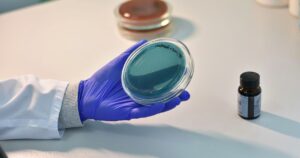
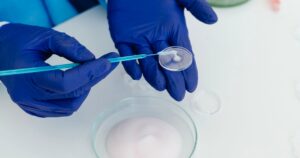
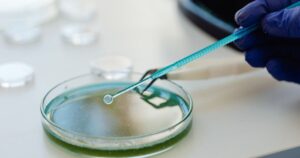
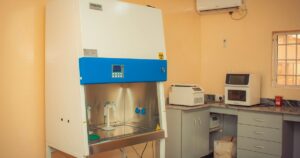
The course involves significant practical components, including laboratory work for culturing, identifying, and characterizing microorganisms, performing diagnostic tests, understanding staining techniques, and studying antimicrobial susceptibility testing. Internships in diagnostic labs or hospitals are often part of the curriculum.
What skills are important for a career in Medical Microbiology?
Key skills include strong analytical and problem-solving abilities, attention to detail, excellent laboratory techniques, critical thinking, communication skills, and a solid understanding of biological and chemical principles. Patience and precision are also crucial for lab work.
Which cities in India are best for studying Medical Microbiology?
Major metropolitan cities like Delhi, Bangalore, Mumbai, Pune, Chennai, Hyderabad, and Kolkata offer a good number of reputable colleges and universities for Medical Microbiology, along with better access to internships and job opportunities in diagnostic labs and research institutions.