Bachelor in Radiotherapy Technology Fees in India 2026
Nishit Kumar is a senior EdTech industry leader with over a decade of experience in building and scaling education platforms, shaping their product, content, and growth strategy. At…
Latest update: Bachelor in Radiotherapy Technology 2026 admissions & dates updated. Read more ›
Understanding the Bachelor in Radiotherapy Technology (BRT) fees in India for 2026 is crucial for prospective students and their families. This comprehensive guide breaks down all financial aspects, eligibility criteria, admission processes, and career outcomes associated with pursuing a BRT degree, ensuring you have all the information needed to make an informed decision.
What is Bachelor in Radiotherapy Technology (BRT)?
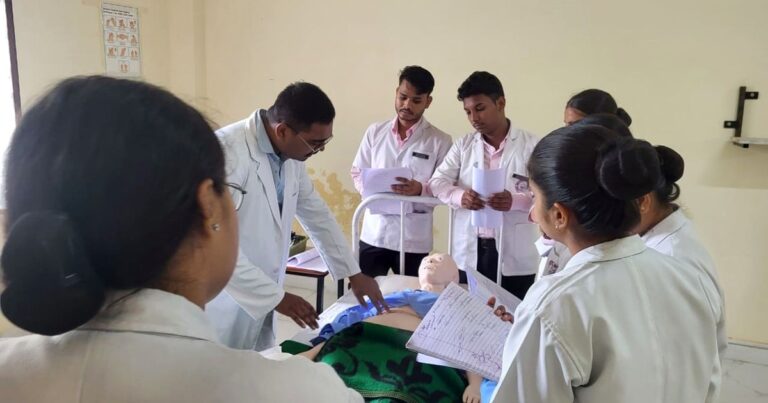
The Bachelor in Radiotherapy Technology (BRT) is an undergraduate program focused on training students to become skilled radiotherapy technologists. These professionals play a vital role in the oncology team, operating sophisticated radiation therapy equipment to administer precise radiation doses to cancer patients, under the supervision of radiation oncologists.
The curriculum typically spans 3 to 4 years, including an internship, covering subjects like Human Anatomy and Physiology, Radiation Physics, Clinical Radiotherapy, Dosimetry, and Radiation Safety. Graduates are equipped to work in hospitals, cancer centers, and research institutions.
How much does Bachelor in Radiotherapy Technology cost in India for 2026?
The cost of pursuing a Bachelor in Radiotherapy Technology (BRT) in India for 2026 varies significantly, primarily depending on whether the institution is government-funded or privately owned. Generally, annual fees can range from INR 30,000 to INR 3,00,000, with private colleges typically being at the higher end of this spectrum.
This fee structure usually includes tuition, examination fees, and basic lab charges. However, additional expenses such as hostel accommodation, mess charges, study materials, and personal expenses are not included and should be budgeted separately.
BRT Fee Structure Comparison: Government vs. Private Colleges (2026)
The table below provides an estimated annual fee range for BRT programs in India for the academic year 2026, highlighting the difference between government and private institutions.
| Institution Type | Annual Tuition Fee Range (INR) | Additional Annual Costs (Estimated, INR) |
|---|---|---|
| Government Colleges | INR 30,000 – INR 1,00,000 | INR 20,000 – INR 60,000 (Hostel, Mess, Books) |
| Private Colleges | INR 1,00,000 – INR 3,00,000 | INR 50,000 – INR 1,50,000 (Hostel, Mess, Books) |
What is the eligibility for Bachelor in Radiotherapy Technology?
To be eligible for the Bachelor in Radiotherapy Technology (BRT) program, candidates must have successfully completed their 10+2 examination or an equivalent qualification with Physics, Chemistry, and Biology (PCB) as compulsory subjects. Most institutions require a minimum aggregate score, typically ranging from 45% to 50% in the qualifying examination.
Some colleges may also consider candidates with Physics, Chemistry, and Mathematics (PCM) if they have a strong aptitude for the medical field, though PCB is generally preferred. Age limits, if any, are usually specified by individual colleges or state admission authorities.
What is the admission process for BRT in 2026?
The admission process for Bachelor in Radiotherapy Technology (BRT) in 2026 typically involves either direct admission based on 10+2 merit or through state/national level entrance examinations. Many reputable institutions conduct their own entrance tests or participate in common entrance exams.
Key steps usually include: application submission, appearing for an entrance exam (if applicable), counselling/interview rounds, and final seat allocation based on merit and availability. It’s crucial to check the specific admission guidelines of your target colleges.
Key Entrance Exams for BRT (2026 Tentative Dates)
| Entrance Exam | Conducting Body | Application Period (Tentative) | Exam Date (Tentative) |
|---|---|---|---|
| NEET (for some medical allied courses) | NTA | Feb – Mar 2026 | May 2026 |
| AIIMS Paramedical Entrance Exam | AIIMS Delhi | Apr – May 2026 | Jun – Jul 2026 |
| Various State Paramedical Exams | State CET Cells | May – Jun 2026 | Jul – Aug 2026 |
| University Specific Entrance Exams | Respective Universities | Varies | Varies |
Are there any scholarships or financial aid options for BRT students?
Yes, several scholarships and financial aid options are available for Bachelor in Radiotherapy Technology students to alleviate the financial burden. These include government scholarships for economically weaker sections, minority communities, and meritorious students, as well as private scholarships offered by NGOs, trusts, and corporate foundations.
Many colleges also offer their own merit-based scholarships or fee concessions. Students can also explore educational loans from nationalized and private banks, often with favorable interest rates and repayment terms.
Is Bachelor in Radiotherapy Technology worth it for jobs and salary?
Yes, pursuing a Bachelor in Radiotherapy Technology is generally considered a highly worthwhile career choice due to the increasing demand for skilled healthcare professionals in oncology. The job market for radiotherapy technologists is stable and growing, driven by the rising incidence of cancer and advancements in radiation therapy techniques.
Graduates can expect competitive salaries, especially with experience and specialization. The role is critical in patient care, offering a sense of purpose and contribution to society.
Career Prospects and Salary for BRT Graduates
After completing BRT, graduates can find employment in various healthcare settings. The initial salary can vary based on the institution, city, and specific role, but it generally sees significant growth with experience.
| Job Role | Average Starting Salary (INR/annum) | Average Mid-Career Salary (INR/annum) |
|---|---|---|
| Radiotherapy Technologist | INR 2,50,000 – INR 4,50,000 | INR 5,00,000 – INR 9,00,000+ |
| Radiation Therapy Technician | INR 2,00,000 – INR 3,50,000 | INR 4,00,000 – INR 7,00,000 |
| Dosimetrist (with further training/experience) | INR 3,50,000 – INR 6,00,000 | INR 7,00,000 – INR 12,00,000+ |
| Clinical Instructor | INR 3,00,000 – INR 5,00,000 | INR 6,00,000 – INR 10,00,000 |
What are the career growth opportunities after BRT?
Career growth opportunities after completing a Bachelor in Radiotherapy Technology are robust. Graduates can advance their careers by gaining experience, pursuing higher education, or specializing in specific areas. Common pathways include becoming a Senior Radiotherapy Technologist, a Medical Dosimetrist (requiring specialized training), a Clinical Instructor, or moving into research and development roles.
Further studies such as a Master’s in Radiotherapy Technology (MRT) or related fields can open doors to academic positions, advanced clinical roles, and leadership positions in hospital departments.
How does BRT compare to other paramedical courses in terms of fees and scope?
BRT generally has a similar fee structure to other specialized paramedical courses like Bachelor of Medical Laboratory Technology (BMLT) or Bachelor of Optometry (BOptom), often falling in the mid-range of healthcare education costs. In terms of scope, BRT offers a highly specialized and in-demand role within oncology, which ensures good job security and competitive salaries, often comparable to or slightly higher than general paramedical roles due to the specialized nature of the work.
What are the top colleges for Bachelor in Radiotherapy Technology in India?
India has several reputable institutions offering Bachelor in Radiotherapy Technology programs. Some of the top colleges known for their quality education, infrastructure, and clinical exposure include:
- All India Institute of Medical Sciences (AIIMS), Delhi
- Postgraduate Institute of Medical Education and Research (PGIMER), Chandigarh
- Christian Medical College (CMC), Vellore
- Manipal Academy of Higher Education (MAHE), Manipal
- SRM Institute of Science and Technology, Chennai
- Amrita Institute of Medical Sciences, Kochi
- King George’s Medical University (KGMU), Lucknow
Prospective students are advised to research specific program details, faculty expertise, and clinical affiliations of these and other institutions.
Explore more on FindMyCollege
Related pages for Bachelor in Radiotherapy Technology aspirants on findmycollege.com:
Frequently Asked Questions
What is the duration of the Bachelor in Radiotherapy Technology course?
The Bachelor in Radiotherapy Technology (BRT) course typically has a duration of 3 to 4 years, which often includes a mandatory internship period ranging from 6 months to 1 year, depending on the university and curriculum.
Can I pursue BRT after completing 12th with PCM?
While most institutions prefer candidates with Physics, Chemistry, and Biology (PCB) in their 10+2, some colleges may consider students with Physics, Chemistry, and Mathematics (PCM) if they meet other eligibility criteria and demonstrate a strong aptitude for the medical field. It’s essential to check the specific requirements of each college.
Are there any age limits for BRT admission?
Generally, there is no upper age limit for BRT admission in many institutions. However, some state-level entrance exams or specific universities might have a minimum age requirement, typically 17 years as of December 31st of the admission year.
What is the difference between Radiotherapy Technology and Radiology Technology?
Radiotherapy Technology focuses on using radiation to treat diseases, primarily cancer, by operating linear accelerators and other treatment planning systems. Radiology Technology (or Radiography) focuses on using imaging techniques like X-rays, CT scans, and MRIs for diagnostic purposes.
What subjects are covered in the BRT curriculum?
The BRT curriculum typically covers subjects such as Human Anatomy and Physiology, Radiation Physics, Clinical Radiotherapy, Radiobiology, Dosimetry, Radiation Safety and Protection, Medical Ethics, and various practical and clinical training modules.
Is an internship mandatory for BRT?
Yes, an internship is almost always a mandatory component of the Bachelor in Radiotherapy Technology program. It provides crucial hands-on training and clinical experience, preparing students for real-world scenarios in a hospital or cancer center setting.
Can I work abroad after completing BRT in India?
Yes, BRT graduates from India can pursue career opportunities abroad. However, they may need to meet specific licensing, registration, or certification requirements of the respective country, which often involves passing local examinations or completing additional training.
What are the key skills required for a Radiotherapy Technologist?
Key skills include strong technical proficiency with radiation equipment, excellent communication and interpersonal skills for patient interaction, attention to detail, critical thinking, problem-solving abilities, and a compassionate approach to patient care.