Bachelor in Radiotherapy Technology Entrance Exams 2026
Nishit Kumar is a senior EdTech industry leader with over a decade of experience in building and scaling education platforms, shaping their product, content, and growth strategy. At…
Latest update: Bachelor in Radiotherapy Technology 2026 admissions & dates updated. Read more ›
Embarking on a career in medical imaging and cancer treatment requires a strong foundation, and the Bachelor in Radiotherapy Technology (BRTT) is a crucial first step. This comprehensive guide provides prospective students and parents with all the essential information regarding BRTT entrance exams in India for 2026, covering eligibility, exam patterns, key dates, top institutions, and career prospects.
What is Bachelor in Radiotherapy Technology (BRTT)?
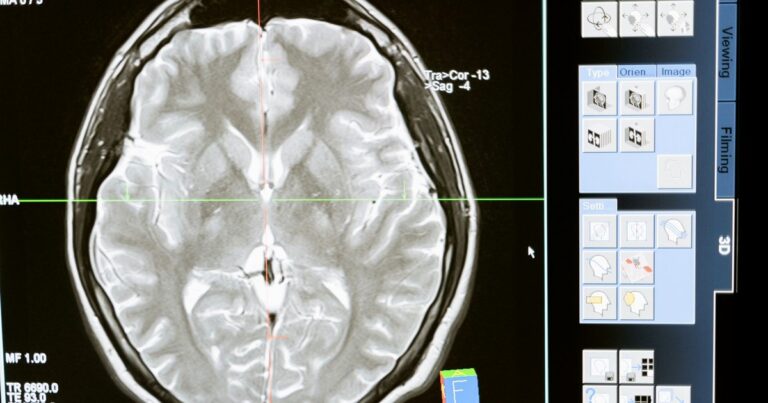
Bachelor in Radiotherapy Technology (BRTT) is an undergraduate paramedical course focused on the principles and practices of using radiation for the treatment of cancer and other diseases. Students learn about radiation physics, dosimetry, treatment planning, patient care, and the operation of advanced radiotherapy equipment like Linear Accelerators (LINACs), Brachytherapy units, and CT simulators. The program prepares graduates to work as skilled radiotherapy technologists in hospitals, cancer centers, and research institutions.
What is the eligibility for Bachelor in Radiotherapy Technology Entrance Exams in 2026?
To be eligible for Bachelor in Radiotherapy Technology entrance exams in 2026, candidates typically must have completed their 10+2 (or equivalent) examination with Physics, Chemistry, and Biology (PCB) as compulsory subjects, often with a minimum aggregate score ranging from 45% to 50%.
While the core requirement is PCB in 10+2, specific institutions may have slight variations:
- Minimum Marks: Most colleges require a minimum of 45-50% aggregate marks in the 10+2 examination. Some top-tier institutions might set a higher bar, such as 55% or 60%.
- Age Limit: Many entrance exams and colleges stipulate a minimum age of 17 years as of December 31st of the admission year. There is generally no upper age limit, but it’s advisable to check individual college notifications.
- Domicile Rules: State-level entrance exams often have domicile requirements, meaning candidates must be residents of that particular state to be eligible for state quota seats.
- Medical Fitness: Candidates may need to clear a medical fitness test to ensure they are physically capable of undertaking the demanding nature of the course and profession.
Which entrance exams are required for Bachelor in Radiotherapy Technology in India?
Admission to Bachelor in Radiotherapy Technology programs in India is primarily through state-level common entrance tests (CETs) or university-specific entrance examinations. There isn’t a single national-level entrance exam specifically for BRTT, unlike NEET for MBBS.
Key entrance exams include:
- State CETs: Many states conduct their own common entrance tests for various paramedical courses, including BRTT. Examples include BCECE (Bihar), MHT CET (Maharashtra), KEAM (Kerala), UP CNET (Uttar Pradesh), etc.
- University/Institution Specific Exams: Prestigious institutions like AIIMS, JIPMER, CMC Vellore, and various deemed universities conduct their own entrance exams for their paramedical programs, which may include BRTT.
- NEET Scores (Rarely): While not common, a few private colleges or deemed universities might consider NEET (National Eligibility cum Entrance Test) scores for admission to paramedical courses, including BRTT, if they don’t conduct a separate exam. This is an exception rather than the rule for BRTT.
Key BRTT Entrance Exams and Tentative 2026 Dates
Here’s a table outlining some prominent entrance exams and their expected schedules for 2026:
| Exam Name | Conducting Body | Application Period (Tentative 2026) | Exam Date (Tentative 2026) | Exam Type |
|---|---|---|---|---|
| AIIMS Paramedical Entrance Exam | AIIMS Delhi | March – April | June – July | University Specific |
| JIPMER Paramedical Entrance Exam | JIPMER Puducherry | April – May | July | University Specific |
| MHT CET (PCM/PCB) | State Common Entrance Test Cell, Maharashtra | March – April | May | State CET |
| KEAM (Kerala Engineering Architecture Medical) | Commissioner for Entrance Examinations, Kerala | March – April | May – June | State CET |
| BCECE (Bihar Combined Entrance Competitive Exam) | BCECE Board, Bihar | April – May | June – July | State CET |
| CMC Vellore Paramedical Entrance | Christian Medical College, Vellore | Feb – March | May | University Specific |
Note: These dates are tentative based on previous years’ trends and are subject to change. Always refer to the official notifications for the most accurate and updated information for 2026.
What is the exam pattern and syllabus for BRTT entrance exams?
The exam pattern for BRTT entrance exams typically involves Multiple Choice Questions (MCQs) covering Physics, Chemistry, and Biology (Botany & Zoology), mirroring the 10+2 syllabus. Some exams might also include sections on General Knowledge or English.
- Subjects: Physics, Chemistry, Biology (Botany & Zoology) are the core subjects.
- Question Type: Almost exclusively Multiple Choice Questions (MCQs).
- Duration: Typically 90 minutes to 3 hours, depending on the exam.
- Marking Scheme: Usually +1 or +4 for correct answers. Negative marking may or may not be present; check specific exam notifications carefully.
- Syllabus: The syllabus generally aligns with the NCERT 11th and 12th standard curriculum for Physics, Chemistry, and Biology. Key topics include:
- Physics: Mechanics, Electrodynamics, Optics, Modern Physics, Thermodynamics.
- Chemistry: Physical Chemistry (Atomic Structure, Chemical Bonding, States of Matter), Organic Chemistry (Hydrocarbons, Alcohols, Aldehydes, Carboxylic Acids), Inorganic Chemistry (Periodic Table, p-block, d-block elements).
- Biology: Diversity in Living World, Structural Organisation in Animals and Plants, Cell Structure and Function, Plant Physiology, Human Physiology, Reproduction, Genetics and Evolution, Biology and Human Welfare, Biotechnology, Ecology and Environment.
How to prepare for Bachelor in Radiotherapy Technology entrance exams?
Effective preparation for BRTT entrance exams involves a structured approach focusing on conceptual clarity, consistent practice, and time management.
- Understand the Syllabus and Exam Pattern: Thoroughly review the official syllabus and exam pattern for your target exams.
- Strong Foundation in PCB: Revisit and strengthen your concepts from 11th and 12th-grade Physics, Chemistry, and Biology (NCERT textbooks are highly recommended).
- Practice MCQs: Solve a large number of MCQs from previous years’ papers and sample papers to get accustomed to the question format and improve speed.
- Mock Tests: Regularly take full-length mock tests to simulate exam conditions, identify weak areas, and improve time management.
- Revision: Create a revision schedule and stick to it. Focus on high-weightage topics and frequently asked questions.
- Time Management: Develop strategies to allocate time effectively during the exam to attempt all sections.
What are the top colleges for Bachelor in Radiotherapy Technology in India?
Several reputable institutions across India offer quality Bachelor in Radiotherapy Technology programs. These colleges are known for their infrastructure, faculty, and clinical exposure.
- All India Institute of Medical Sciences (AIIMS), Delhi
- Jawaharlal Institute of Postgraduate Medical Education and Research (JIPMER), Puducherry
- Christian Medical College (CMC), Vellore
- Postgraduate Institute of Medical Education and Research (PGIMER), Chandigarh
- Manipal Academy of Higher Education (MAHE), Manipal
- SRM Institute of Science and Technology, Chennai
- Amrita Vishwa Vidyapeetham, Kochi
- Various Government Medical Colleges and Universities offering Paramedical courses in respective states.
How much does Bachelor in Radiotherapy Technology cost (fees)?
The cost of pursuing a Bachelor in Radiotherapy Technology varies significantly between government and private institutions, with government colleges generally being much more affordable.
| Institution Type | Annual Fee Range (INR) | Total Course Fee (3-4 years, INR) |
|---|---|---|
| Government Colleges/Universities | ₹10,000 – ₹50,000 | ₹30,000 – ₹2,00,000 |
| Private Colleges/Deemed Universities | ₹70,000 – ₹3,00,000+ | ₹2,10,000 – ₹12,00,000+ |
Note: These are approximate ranges for tuition fees. Additional costs like hostel fees, examination fees, and other charges will apply. Scholarships and educational loans are often available.
Is Bachelor in Radiotherapy Technology worth it for jobs and salary?
Yes, Bachelor in Radiotherapy Technology is a highly valuable course with excellent job prospects and competitive salaries, driven by the increasing incidence of cancer and advancements in radiation therapy technology. Graduates are in demand in both India and abroad.
Radiotherapy technologists play a critical role in the healthcare system, making their skills indispensable. The field offers continuous learning and growth opportunities due to rapid technological advancements.
Career Prospects and Salary after BRTT
Graduates can find employment in various settings:
- Hospitals: Government and private hospitals with oncology departments.
- Cancer Treatment Centers: Specialised cancer hospitals and clinics.
- Diagnostic Centers: Centers offering imaging services.
- Research Institutions: Involved in clinical trials and research in radiation oncology.
- Equipment Manufacturing Companies: As application specialists or sales representatives for radiotherapy equipment.
Typical job roles and approximate annual salary ranges:
| Job Role | Average Starting Salary (INR/year) | Mid-Career Salary (INR/year) |
|---|---|---|
| Radiotherapy Technologist | ₹2,50,000 – ₹4,50,000 | ₹5,00,000 – ₹9,00,000+ |
| Radiation Therapist | ₹3,00,000 – ₹5,00,000 | ₹6,00,000 – ₹10,00,000+ |
| Dosimetrist Assistant | ₹2,80,000 – ₹4,80,000 | ₹5,50,000 – ₹9,50,000+ |
| Clinical Instructor (after experience) | ₹3,50,000 – ₹6,00,000 | ₹7,00,000 – ₹12,00,000+ |
Note: Salaries vary based on institution (government vs. private), location (metro vs. non-metro), experience, and further specialization (e.g., pursuing an M.Sc. in Medical Physics or Radiotherapy Technology). International opportunities often offer significantly higher remuneration.
What is the difference between Radiotherapy Technology and Radiology Technology?
Radiotherapy Technology and Radiology Technology are distinct but related fields within medical imaging and treatment. Radiotherapy Technology focuses on using radiation for therapeutic purposes (treating diseases, primarily cancer), while Radiology Technology focuses on using radiation for diagnostic purposes (imaging the body).
Here’s a comparison:
| Feature | Bachelor in Radiotherapy Technology (BRTT) | Bachelor in Radiology & Imaging Technology (BRIT) |
|---|---|---|
| Primary Focus | Therapeutic use of radiation (cancer treatment) | Diagnostic use of radiation (imaging) |
| Key Modalities | Linear Accelerators (LINAC), Brachytherapy, CT Simulators, Treatment Planning Systems | X-ray, CT Scan, MRI, Ultrasound, Mammography, PET Scan |
| Patient Interaction | Long-term patient care, counseling, monitoring during treatment cycles | Brief patient interaction during imaging procedures |
| Core Subjects | Radiation Physics, Dosimetry, Clinical Oncology, Treatment Planning, Radiobiology | Anatomy, Physiology, Radiographic Techniques, Image Processing, Pathology |
| Career Path | Radiotherapy Technologist, Radiation Therapist, Dosimetrist | Radiographer, MRI Technologist, CT Technologist, Ultrasound Technologist |
| Goal | Deliver precise radiation doses to destroy cancer cells | Produce high-quality images for disease diagnosis |
Explore more on FindMyCollege
Related pages for Bachelor in Radiotherapy Technology aspirants on findmycollege.com:
Frequently Asked Questions
Is NEET required for Bachelor in Radiotherapy Technology?
No, NEET is generally not required for admission to Bachelor in Radiotherapy Technology programs. Admission is primarily based on state-level paramedical entrance exams or university-specific tests. However, a few private institutions might consider NEET scores as an alternative, so always check the specific college’s admission criteria.
Can I pursue BRTT after 12th with PCM?
While the primary eligibility requires Physics, Chemistry, and Biology (PCB), some institutions might consider candidates with Physics, Chemistry, and Mathematics (PCM) if they have studied Biology as an additional or optional subject, or if they meet specific criteria. It’s crucial to verify this with the individual college’s admission brochure.
What is the duration of the BRTT course?
The Bachelor in Radiotherapy Technology (BRTT) course typically has a duration of 3 to 4 years, which often includes a mandatory internship period of 6 months to 1 year, depending on the university and curriculum structure.
Are there any scholarships available for BRTT students?
Yes, various scholarships are available for BRTT students. These include government scholarships (e.g., state minority scholarships, scholarships for economically weaker sections), institutional scholarships offered by colleges, and private organization scholarships. Eligibility criteria vary, often based on academic merit or financial need.
What are the higher education options after BRTT?
After completing BRTT, graduates can pursue higher education such as a Master of Science (M.Sc.) in Radiotherapy Technology, Medical Physics, or other related paramedical fields. This can lead to advanced roles in clinical practice, research, or academia.
What is the scope of BRTT abroad?
The scope for BRTT graduates abroad is excellent, especially in countries like the USA, Canada, UK, Australia, and Middle Eastern countries, which have advanced healthcare systems and a high demand for skilled radiotherapy technologists. International certifications and licensing exams are usually required.
Is BRTT a difficult course?
BRTT is a challenging but rewarding course. It requires a strong understanding of physics, biology, and anatomy, along with practical skills and a compassionate approach to patient care. Students need to be dedicated to mastering complex equipment and treatment protocols.
What are the career growth opportunities in Radiotherapy Technology?
Career growth in Radiotherapy Technology is robust. With experience and further education (like an M.Sc. or specialized certifications), professionals can advance to roles such as Senior Radiotherapy Technologist, Chief Radiation Therapist, Clinical Instructor, Medical Dosimetrist, or even pursue research and academic positions.