B.Sc {Lateral} in Anesthesia (2026): Scope & Career in India
Nishit Kumar is a senior EdTech industry leader with over a decade of experience in building and scaling education platforms, shaping their product, content, and growth strategy. At…
Latest update: B.Sc {Lateral} in Anesthesia 2026 admissions & dates updated. Read more ›
The field of anesthesia technology is critical to modern healthcare, ensuring patient safety and comfort during surgical procedures. For those already holding a diploma in a related medical field, the B.Sc {Lateral} in Anesthesia offers a streamlined pathway to a comprehensive undergraduate degree, opening doors to advanced career opportunities in India by 2026. This page provides a deep dive into the scope, career prospects, eligibility, and financial aspects of pursuing this specialized medical stream.
What is B.Sc {Lateral} in Anesthesia and who is it for?
B.Sc {Lateral} in Anesthesia is an undergraduate degree program designed for students who have already completed a Diploma in Anesthesia Technology or an equivalent paramedical diploma. This lateral entry program allows them to join the second year (or sometimes third semester) of the standard B.Sc Anesthesia Technology course, reducing the overall study duration and leveraging their existing knowledge and practical experience. It is ideal for diploma holders seeking to upgrade their qualifications, enhance their career prospects, and gain a deeper theoretical and practical understanding of anesthesia care.
What is the eligibility for B.Sc {Lateral} in Anesthesia in 2026?
To be eligible for B.Sc {Lateral} in Anesthesia in 2026, candidates must typically have completed a Diploma in Anesthesia Technology or a related paramedical diploma (e.g., Diploma in Medical Lab Technology, Diploma in Operation Theatre Technology) from a recognized institution. Additionally, most colleges require candidates to have passed their 10+2 examination with Physics, Chemistry, and Biology (PCB) as core subjects, often with a minimum aggregate score (e.g., 50-55%). Some institutions may also conduct an entrance examination or a direct interview for admission.
Key Eligibility Criteria for 2026:
- Educational Qualification: Diploma in Anesthesia Technology or an equivalent paramedical diploma (e.g., DMLT, DOTT) from a recognized board/university.
- 10+2 Qualification: Passed 10+2 with Physics, Chemistry, and Biology (PCB) as compulsory subjects.
- Minimum Marks: Usually 50-55% aggregate marks in 10+2 and/or in the diploma program.
- Age Limit: Generally, there is no upper age limit, but some institutions might have specific criteria.
- Entrance Exam: Some universities/colleges may require candidates to clear an entrance exam.
What is the career scope after B.Sc {Lateral} in Anesthesia?
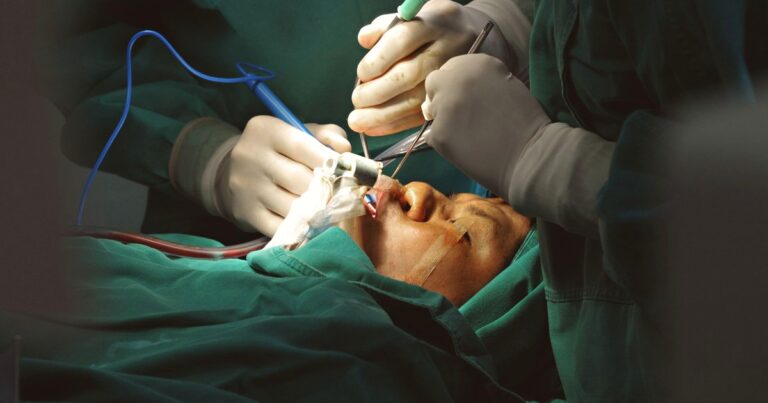
The career scope after B.Sc {Lateral} in Anesthesia is robust and expanding, driven by the increasing demand for skilled healthcare professionals in India. Graduates are primarily employed as Anesthesia Technologists or Anesthesia Technicians, playing a vital role in surgical teams. They are responsible for preparing and maintaining anesthesia equipment, assisting anesthesiologists during procedures, monitoring patients, and managing post-operative care related to anesthesia. The degree provides a strong foundation for both clinical practice and further academic pursuits.
Key Career Roles & Responsibilities:
- Pre-operative preparation: Setting up anesthesia machines, ventilators, and monitoring equipment.
- Intra-operative assistance: Assisting anesthesiologists with induction, maintenance, and emergence from anesthesia; monitoring vital signs.
- Post-operative care: Monitoring patients in recovery rooms, ensuring stable vital signs, and managing immediate post-anesthesia complications.
- Equipment maintenance: Ensuring all anesthesia equipment is functional, calibrated, and sterilized.
- Inventory management: Managing supplies of anesthetic drugs and other consumables.
Is B.Sc {Lateral} in Anesthesia worth it for jobs and salary in India?
Yes, pursuing B.Sc {Lateral} in Anesthesia is highly worth it for job prospects and salary in India, especially for diploma holders looking to advance their careers. The degree enhances employability, opens doors to higher positions, and generally leads to better salary packages compared to diploma-level roles. The demand for qualified anesthesia technologists is consistently high in both public and private healthcare sectors.
Average Salary Ranges for B.Sc Anesthesia Technologists (2026 Estimates):
Salaries vary significantly based on experience, employer (government vs. private), location, and specific role. Here’s an estimated range:
| Role | Experience Level | Annual Salary (INR) |
|---|---|---|
| Junior Anesthesia Technologist | 0-2 years | ₹2,50,000 – ₹4,50,000 |
| Anesthesia Technologist | 2-5 years | ₹4,00,000 – ₹7,00,000 |
| Senior Anesthesia Technologist/Supervisor | 5+ years | ₹6,50,000 – ₹10,00,000+ |
| Clinical Instructor/Educator | 5+ years | ₹5,00,000 – ₹8,00,000 |
Note: These are estimated ranges for 2026 and can vary. Salaries in metropolitan cities and large corporate hospitals tend to be higher.
How much does B.Sc {Lateral} in Anesthesia cost in India?
The cost of B.Sc {Lateral} in Anesthesia in India varies significantly between government and private institutions. Government colleges generally have lower fees due to subsidies, while private colleges, especially those with advanced facilities, charge higher tuition. The total cost for the lateral entry program (typically 2 years) can range from affordable to substantial.
Estimated Fee Structure (2026):
| Institution Type | Annual Tuition Fee (INR) | Total Program Fee (INR, approx. 2 years) |
|---|---|---|
| Government Colleges/Universities | ₹20,000 – ₹70,000 | ₹40,000 – ₹1,40,000 |
| Private Colleges/Universities | ₹80,000 – ₹2,50,000+ | ₹1,60,000 – ₹5,00,000+ |
Additional costs may include examination fees, hostel fees, study materials, and other miscellaneous charges.
What are the top colleges for B.Sc {Lateral} in Anesthesia in India?
Several reputable institutions across India offer B.Sc Anesthesia Technology programs with lateral entry options. While specific lateral entry seats can be competitive, these colleges are known for their strong medical and paramedical departments:
- All India Institute of Medical Sciences (AIIMS), Delhi (and other AIIMS branches)
- Postgraduate Institute of Medical Education and Research (PGIMER), Chandigarh
- Christian Medical College (CMC), Vellore
- Manipal Academy of Higher Education (MAHE), Manipal
- SRM Institute of Science and Technology, Chennai
- Amrita Vishwa Vidyapeetham, Kochi
- Jawaharlal Institute of Postgraduate Medical Education and Research (JIPMER), Puducherry
- Various state government medical colleges and universities.
Prospective students should always check the specific lateral entry admission notifications for 2026 directly on the college websites.
What is the difference between B.Sc Anesthesia and B.Sc {Lateral} in Anesthesia?
The primary difference lies in the entry point and duration. B.Sc Anesthesia is a full-fledged 3-year undergraduate program typically pursued after 10+2. B.Sc {Lateral} in Anesthesia is a shorter, usually 2-year program, designed for diploma holders who gain direct admission into the second year or third semester, building upon their existing foundational knowledge.
Comparison Table: B.Sc Anesthesia vs. B.Sc {Lateral} in Anesthesia
| Feature | B.Sc Anesthesia (Regular) | B.Sc {Lateral} in Anesthesia |
|---|---|---|
| Entry Qualification | 10+2 (PCB) | Diploma in Anesthesia Tech / Equivalent Paramedical Diploma + 10+2 (PCB) |
| Program Duration | 3 years | Typically 2 years (direct entry to 2nd year/3rd semester) |
| Starting Point | 1st Year/1st Semester | 2nd Year/3rd Semester |
| Target Audience | Fresh 10+2 graduates | Diploma holders seeking degree upgrade |
| Curriculum | Comprehensive, starts from basics | Builds on diploma knowledge, advanced topics |
What are the higher study options after B.Sc {Lateral} in Anesthesia?
After completing B.Sc {Lateral} in Anesthesia, graduates have excellent opportunities for higher education to specialize further or move into research and teaching roles. The most common pathway is pursuing a Master’s degree.
- M.Sc in Anesthesia Technology: This is the most direct progression, offering advanced knowledge and research skills in the field.
- M.Sc in Operation Theatre Technology: Broadens the scope to overall OT management.
- Postgraduate Diploma/Certificate Courses: Specializations in critical care, pain management, or specific surgical sub-specialties.
- MBA in Hospital Administration: For those interested in management roles within healthcare.
- Ph.D. programs: For a career in academia and research, typically after an M.Sc.
Explore more on FindMyCollege
Related pages for B.Sc {Lateral} in Anesthesia aspirants on findmycollege.com:
Frequently Asked Questions
Is an entrance exam required for B.Sc {Lateral} in Anesthesia?
While some institutions offer direct admission based on diploma merit, many reputable colleges and universities, especially government ones, may conduct their own entrance examinations to assess candidates’ knowledge and aptitude for the lateral entry program. It is crucial to check the specific admission guidelines for each college you are interested in for 2026.
What subjects are covered in B.Sc {Lateral} in Anesthesia?
The curriculum typically includes advanced topics building upon diploma knowledge. Core subjects often include Advanced Human Anatomy & Physiology, Pharmacology, Anesthesia Techniques & Equipment, Critical Care & Emergency Medicine, Medical Ethics, Sterilization & Disinfection, and practical training in various surgical specialties. Clinical rotations are a significant part of the program.
Can I work abroad after B.Sc {Lateral} in Anesthesia?
Yes, graduates with a B.Sc in Anesthesia Technology can explore career opportunities abroad. However, specific requirements for licensure and practice vary significantly by country (e.g., US, UK, Canada, Middle East, Australia). This often involves credential evaluation, passing local licensing exams, and sometimes additional training or experience. The degree provides a strong foundation for international mobility.
What is the future demand for Anesthesia Technologists in India?
The demand for skilled Anesthesia Technologists is projected to remain high and grow steadily in India. Factors contributing to this include the expansion of healthcare infrastructure, increasing number of surgical procedures, advancements in medical technology, and a greater emphasis on patient safety in operating rooms and critical care units.
Are there government job opportunities after B.Sc {Lateral} in Anesthesia?
Yes, there are significant government job opportunities. Graduates can apply for positions in central and state government hospitals, AIIMS, ESIC hospitals, railway hospitals, and other public sector healthcare institutions. These jobs often offer good job security, benefits, and competitive salaries, usually through competitive examinations conducted by various recruitment boards.
What skills are important for an Anesthesia Technologist?
Beyond technical knowledge, crucial skills include strong attention to detail, excellent communication, critical thinking, problem-solving abilities, manual dexterity, the ability to work under pressure, empathy, and a commitment to patient safety. Teamwork and adherence to strict protocols are also paramount in the operating theatre environment.