B.Sc in Medical Eligibility 2026: Your Complete Guide
Nishit Kumar is a senior EdTech industry leader with over a decade of experience in building and scaling education platforms, shaping their product, content, and growth strategy. At…
Latest update: B.Sc in Medical 2026 admissions & dates updated. Read more ›
Welcome to the definitive guide for B.Sc in Medical eligibility for the 2026 academic year in India. This page provides prospective students and parents with all the essential information needed to understand the admission requirements, application process, and what to expect from this popular science stream course.
What is B.Sc in Medical?
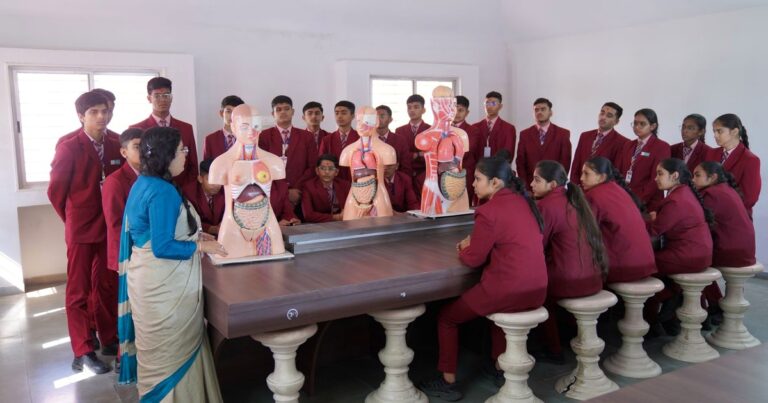
A Bachelor of Science (B.Sc) in Medical is an undergraduate academic degree program focusing on various aspects of medical sciences, excluding direct clinical practice as a doctor. It provides a strong foundation in subjects like anatomy, physiology, biochemistry, microbiology, pathology, and pharmacology, preparing students for careers in allied health, research, medical technology, and further postgraduate studies in medical or paramedical fields.
What is the Eligibility for B.Sc in Medical in India for 2026?
To be eligible for a B.Sc in Medical program in India for the 2026 academic year, candidates must typically have completed their 10+2 (or equivalent) examination with a science stream, specifically Physics, Chemistry, and Biology (PCB) as core subjects, and meet minimum aggregate percentage requirements set by individual colleges or universities.
Academic Qualification Requirements
- 10+2 Completion: Candidates must have successfully passed their 10+2 (or equivalent) examination from a recognized board (e.g., CBSE, ISC, State Boards).
- Mandatory Subjects: Physics, Chemistry, and Biology (PCB) are almost universally mandatory. Some colleges may also require English as a core subject.
- Minimum Aggregate Marks: Most institutions require a minimum aggregate percentage in the 10+2 examination, typically ranging from 45% to 50% for general category students. Reserved category candidates (SC/ST/OBC) often receive a relaxation of 5-10% in the minimum percentage requirement.
Age Limit for B.Sc in Medical
While there is generally no upper age limit for B.Sc in Medical programs, some institutions might specify a minimum age. Candidates must typically be at least 17 years of age as of December 31st of the admission year (i.e., December 31, 2026, for the 2026 academic session).
Do I Need to Take an Entrance Exam for B.Sc in Medical?
Yes, many reputable colleges and universities in India require candidates to appear for an entrance examination for admission to B.Sc in Medical programs. While some institutions offer direct admission based on 10+2 merit, competitive entrance exams are common, especially for popular specializations or top-tier colleges.
Common Entrance Exams for B.Sc in Medical 2026
The specific entrance exam varies by institution and region. Some common examples include:
- University-Specific Exams: Many central and state universities conduct their own entrance tests (e.g., Delhi University Entrance Test – DUET, Banaras Hindu University Undergraduate Entrance Test – BHU UET).
- State-Level Exams: Some states might have common entrance tests for various B.Sc programs.
- NEET (National Eligibility cum Entrance Test): While primarily for MBBS/BDS, some colleges might consider NEET scores for B.Sc in Medical programs, especially those with a strong clinical or research focus, or for allied health courses like B.Sc Nursing. However, this is not universal for all B.Sc Medical courses.
Typical Entrance Exam Pattern & Syllabus
Entrance exams for B.Sc in Medical generally test candidates on their knowledge of 10+2 level Physics, Chemistry, and Biology. The pattern usually includes multiple-choice questions (MCQs).
| Aspect | Typical Details |
|---|---|
| Subjects Tested | Physics, Chemistry, Biology (Botany & Zoology) |
| Question Type | Multiple Choice Questions (MCQs) |
| Total Questions | Varies (e.g., 100-200) |
| Marking Scheme | +1 to +4 for correct, 0 or -1 for incorrect (negative marking common) |
| Duration | 1.5 to 3 hours |
| Syllabus | NCERT 11th & 12th standard PCB syllabus |
What are the Key Dates for B.Sc in Medical Admissions 2026?
Admission dates for B.Sc in Medical programs in 2026 will vary significantly by institution and entrance exam. However, a general timeline can be anticipated:
- Application Forms Release: February – April 2026
- Application Deadline: April – May 2026
- Entrance Exams: May – June 2026
- Results & Merit List: June – July 2026
- Counseling & Admissions: July – August 2026
- Classes Commence: August – September 2026
Students are strongly advised to regularly check the official websites of their target colleges and universities for precise 2026 admission notifications.
How Much Does B.Sc in Medical Cost in India? (Fees 2026)
The cost of a B.Sc in Medical program in India varies widely depending on the type of institution (government vs. private), its reputation, and the specific specialization. Generally, government colleges are significantly more affordable than private institutions.
| Institution Type | Annual Fee Range (INR) for 2026 | Total Course Fee (Approx. 3 years) |
|---|---|---|
| Government Colleges/Universities | ₹5,000 – ₹50,000 | ₹15,000 – ₹1,50,000 |
| Private Colleges/Universities | ₹50,000 – ₹2,50,000+ | ₹1,50,000 – ₹7,50,000+ |
These figures are indicative and do not include hostel fees, examination fees, or other miscellaneous charges, which can add substantially to the overall cost.
Is B.Sc in Medical Worth It for Jobs? What are the Career Prospects?
Yes, a B.Sc in Medical can be a highly rewarding degree with diverse career opportunities in the healthcare sector, research, and allied industries. It provides a strong scientific foundation for various roles that support medical practice, diagnostics, and public health.
Common Specializations within B.Sc Medical
The term “B.Sc in Medical” often serves as an umbrella for various specialized B.Sc programs that fall under the medical sciences domain. Popular specializations include:
- B.Sc in Medical Laboratory Technology (MLT): Focuses on diagnostic testing and lab procedures.
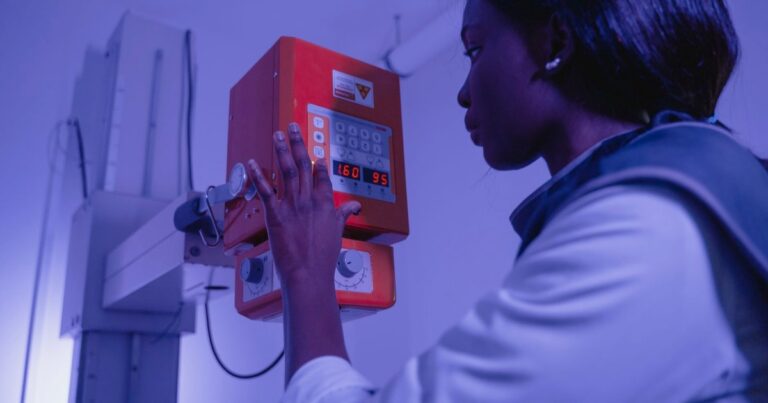
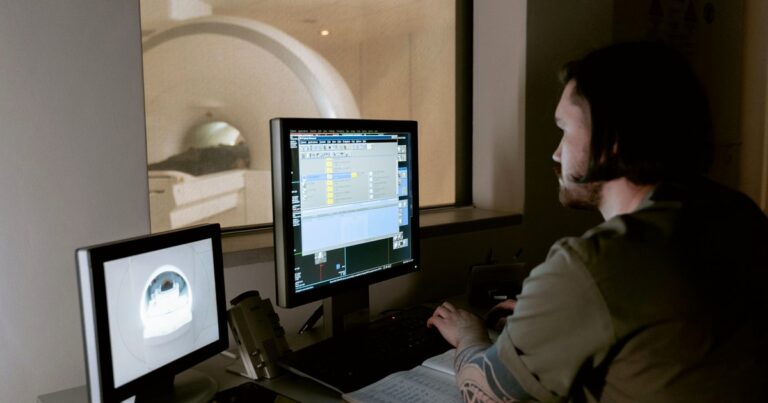
- B.Sc in Radiology and Imaging Technology: Deals with X-rays, MRI, CT scans, etc.
- B.Sc in Operation Theatre Technology (OTT): Prepares students for assisting in surgical procedures.
- B.Sc in Optometry: Focuses on eye care and vision correction.
- B.Sc in Anesthesia Technology: Assists anesthesiologists during surgeries.
- B.Sc in Renal Dialysis Technology: Specializes in kidney dialysis procedures.
- B.Sc in Cardiovascular Technology: Focuses on heart-related diagnostic and therapeutic procedures.
- B.Sc in Nutrition and Dietetics: Focuses on food science, nutrition, and diet planning.
- B.Sc in Biotechnology/Microbiology: Often considered medical-allied, focusing on biological processes and microorganisms.
Career Roles and Average Salaries after B.Sc in Medical
Graduates can find employment in hospitals, diagnostic labs, research institutions, pharmaceutical companies, public health organizations, and educational institutions.
| Job Role | Typical B.Sc Specialization | Average Annual Salary (INR) – Entry to Mid-Level |
|---|---|---|
| Medical Lab Technologist | MLT | ₹2,00,000 – ₹4,50,000 |
| Radiology Technologist | Radiology & Imaging Tech | ₹2,50,000 – ₹5,00,000 |
| Operation Theatre Technician | OTT | ₹1,80,000 – ₹4,00,000 |
| Optometrist | Optometry | ₹2,50,000 – ₹6,00,000 |
| Research Assistant | Any B.Sc Medical, Biotechnology | ₹2,20,000 – ₹4,80,000 |
| Dietitian/Nutritionist | Nutrition & Dietetics | ₹2,00,000 – ₹5,50,000 |
Salaries are highly dependent on experience, location, employer, and further education (e.g., M.Sc).
B.Sc in Medical vs. Other Medical-Allied Courses: Which is Better?
The “better” course depends entirely on your career aspirations and interests. B.Sc in Medical offers a broad foundation, while other courses might be more specialized or lead to direct clinical roles.
B.Sc in Medical vs. MBBS
- B.Sc in Medical: Focuses on allied health, diagnostics, research support. Does NOT lead to becoming a practicing doctor. Shorter duration (3 years).
- MBBS (Bachelor of Medicine, Bachelor of Surgery): Leads to becoming a licensed medical doctor. Longer duration (5.5 years including internship). Requires NEET with very high scores.
B.Sc in Medical vs. B.Pharm (Bachelor of Pharmacy)
- B.Sc in Medical: Broader medical science foundation, leading to roles in labs, imaging, OT, etc.
- B.Pharm: Specifically focuses on drugs, pharmacology, pharmaceutical manufacturing, and dispensing. Leads to roles as pharmacists, drug inspectors, etc.
B.Sc in Medical vs. BPT (Bachelor of Physiotherapy)
- B.Sc in Medical: Diverse roles in medical support.
- BPT: Specialized clinical role focusing on physical rehabilitation, exercise therapy, and movement science. Leads to becoming a physiotherapist.
Consider your passion for direct patient care, laboratory work, research, or specific therapeutic areas before making a choice.
What is the Application Process for B.Sc in Medical 2026?
The application process generally involves several steps:
- Research & Selection: Identify colleges and specializations that align with your interests and eligibility.
- Check Eligibility: Verify specific academic, age, and subject requirements for each chosen institution.
- Fill Application Form: Complete the online or offline application form, providing accurate personal and academic details.
- Upload Documents: Submit scanned copies of required documents (10th/12th mark sheets, photo, signature, caste certificate if applicable).
- Pay Application Fee: Pay the non-refundable application fee online.
- Appear for Entrance Exam (if applicable): Download admit card and appear for the entrance test.
- Merit List/Counseling: Await the release of merit lists. If selected, participate in counseling rounds for seat allocation.
- Document Verification & Fee Payment: Attend in-person document verification and pay the admission fees to confirm your seat.
Explore more on FindMyCollege
Related pages for B.Sc in Medical aspirants on findmycollege.com:
Frequently Asked Questions
Can I pursue B.Sc in Medical after 12th without Biology?
No, almost all B.Sc in Medical specializations mandatorily require Biology (or Biotechnology) as a core subject in 10+2 due to the nature of the curriculum. Students without Biology in 12th are generally not eligible.
Are there any scholarships available for B.Sc in Medical students?
Yes, many government schemes (e.g., National Scholarship Portal), state government scholarships, and private trusts offer scholarships based on merit, financial need, or specific categories (e.g., for SC/ST/OBC students). Colleges may also have their own scholarship programs.
What is the duration of a B.Sc in Medical course?
A B.Sc in Medical course is typically a 3-year undergraduate program, divided into 6 semesters.
Can I do an M.Sc after B.Sc in Medical?
Yes, a B.Sc in Medical provides an excellent foundation for pursuing a Master of Science (M.Sc) in various specialized fields such as Medical Biochemistry, Medical Microbiology, Medical Physiology, Biotechnology, Clinical Research, Public Health, and more.
Is NEET compulsory for all B.Sc Medical courses?
No, NEET is not compulsory for all B.Sc Medical courses. While some institutions might consider NEET scores for certain allied health programs (like B.Sc Nursing), most B.Sc in Medical specializations have their own university-specific or state-level entrance exams, or admit based on 10+2 merit.
What are the career prospects abroad after B.Sc in Medical?
Career prospects abroad are good, especially in countries with high demand for allied healthcare professionals. However, you might need to clear specific licensing exams or pursue further education (e.g., a Master’s degree) to meet international standards and eligibility for practice in those countries.
Is B.Sc in Medical a good alternative to MBBS?
B.Sc in Medical is not an alternative to MBBS in terms of becoming a doctor. It is an excellent alternative if you are interested in the medical field but prefer roles in diagnostics, research, technology, or allied health support, rather than direct clinical practice as a physician.