
B.Sc in Medical Full Form & Course Guide (India 2026)
Nishit Kumar is a senior EdTech industry leader with over a decade of experience in building and scaling education platforms, shaping their product, content, and growth strategy. At…
Latest update: B.Sc in Medical 2026 admissions & dates updated. Read more ›
Welcome to our comprehensive guide on the B.Sc in Medical Full Form course for 2026 admissions in India. This page is designed for prospective students and parents seeking detailed information about this popular undergraduate science program, its scope, and career opportunities. Understanding the ‘full form’ goes beyond just the acronym; it encompasses the entire educational journey, the skills acquired, and the professional pathways it unlocks.
What is the B.Sc in Medical Full Form?
The B.Sc in Medical Full Form stands for Bachelor of Science in Medical Science or, more commonly, Bachelor of Science with a specialization in Medical-related fields. It is an undergraduate degree program, typically 3 years in duration, focused on providing students with a strong foundational knowledge in various aspects of medical and allied health sciences, preparing them for diverse roles in healthcare, research, and further studies.
This broad term encompasses a variety of specific B.Sc degrees that are directly related to the medical field but do not lead to an MBBS degree. Instead, they equip graduates with the scientific understanding and practical skills required to support medical professionals, conduct research, or work in diagnostic and therapeutic settings.
What are the common specializations under B.Sc in Medical?
The B.Sc in Medical umbrella covers numerous specializations, each focusing on a distinct area of medical science. These programs are designed to meet the growing demand for skilled professionals in various allied health sectors.
- B.Sc in Medical Laboratory Technology (MLT): Focuses on diagnostic testing, analysis of body fluids, tissues, and cells.
- B.Sc in Radiology and Imaging Technology: Deals with medical imaging techniques like X-ray, CT scan, MRI, and ultrasound.
- B.Sc in Operation Theatre Technology (OTT): Trains students to assist surgeons during operations and manage the operating theatre.
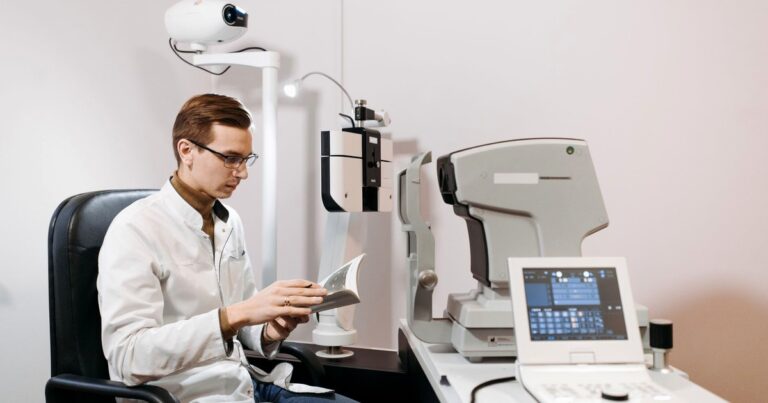
- B.Sc in Optometry: Concentrates on eye care, vision correction, and diagnosis of ocular diseases.
- B.Sc in Anesthesia Technology: Prepares students to assist anesthesiologists in administering anesthesia and monitoring patients.
- B.Sc in Renal Dialysis Technology: Focuses on the principles and practice of dialysis for patients with kidney failure.
- B.Sc in Cardiac Technology: Involves assisting cardiologists in diagnosing and treating heart conditions.
- B.Sc in Perfusion Technology: Specializes in operating heart-lung machines during open-heart surgery.
- B.Sc in Nutrition and Dietetics: Focuses on food science, human nutrition, and dietary management for health and disease.
- B.Sc in Forensic Science: Applies scientific principles to legal investigations, often involving medical evidence.
What is the eligibility for B.Sc in Medical courses in India for 2026?
The primary eligibility criterion for B.Sc in Medical courses in India for 2026 is completing 10+2 (or equivalent) with a Science stream, specifically Physics, Chemistry, and Biology (PCB) as compulsory subjects. Some colleges may also accept PCMB (Physics, Chemistry, Mathematics, Biology).
Typically, a minimum aggregate score of 45-50% in the 10+2 examination is required, though this can vary significantly between institutions and specific specializations. For instance, top-tier government colleges or highly competitive programs might demand a higher percentage. Age limits are generally not a major factor for B.Sc courses, unlike some professional medical degrees.
How to get admission to B.Sc in Medical programs for 2026?
Admission to B.Sc in Medical programs for 2026 typically involves either direct merit-based admission based on 10+2 scores or through entrance examinations conducted by universities or state bodies. The process can vary by institution.
- Research & Selection: Identify colleges and specializations that align with your interests and eligibility.
- Application: Fill out online or offline application forms, paying attention to deadlines.
- Entrance Exam (if applicable): Prepare for and appear in relevant entrance exams. Common exams include:
- NEET (National Eligibility cum Entrance Test): While primarily for MBBS/BDS, some state-level B.Sc Nursing or Paramedical courses might consider NEET scores.
- AIIMS Paramedical Entrance Exam: For B.Sc Paramedical courses at AIIMS institutions.
- JIPMER Paramedical Entrance Exam: For B.Sc Paramedical courses at JIPMER.
- State-level CETs (Common Entrance Tests): Many states conduct their own entrance exams for allied health sciences.
- University-specific Entrance Exams: Private universities often have their own entrance tests.
- Merit List/Counseling: Based on exam scores or 10+2 marks, a merit list is prepared. Qualified candidates participate in counseling for seat allocation.
- Document Verification & Fee Payment: Finalize admission by verifying documents and paying the first installment of fees.
Key Dates & Exam Patterns (Illustrative for 2026)
While exact 2026 dates will be released later, here’s an illustrative timeline and pattern for common entrance exams:
| Exam Name | Application Period (Approx.) | Exam Date (Approx.) | Pattern Highlights |
|---|---|---|---|
| AIIMS Paramedical | March – April 2026 | June 2026 | Online, MCQ, Physics, Chemistry, Biology/Maths (90 questions, 90 mins) |
| JIPMER Paramedical | April – May 2026 | July 2026 | Online, MCQ, Physics, Chemistry, Biology, English, Logical & Quantitative Reasoning (100 questions, 90 mins) |
| State CETs (e.g., MHT CET, KCET) | Feb – March 2026 | April – May 2026 | Online/Offline, MCQ, PCB/PCM (Varies by state/course) |
How much does B.Sc in Medical cost in India (2026 Fee Ranges)?
The cost of pursuing a B.Sc in Medical course in India for 2026 varies significantly based on the type of institution (government vs. private), its reputation, location, and the specific specialization chosen. Generally, government colleges are more affordable than private ones.
| Institution Type | Annual Fee Range (INR) | Total Course Fee (3 Years, Approx.) |
|---|---|---|
| Government Colleges/Universities | ₹10,000 – ₹60,000 | ₹30,000 – ₹1,80,000 |
| Private Colleges/Universities | ₹50,000 – ₹2,50,000+ | ₹1,50,000 – ₹7,50,000+ |
These figures typically cover tuition fees but may not include hostel charges, examination fees, lab fees, or other miscellaneous expenses, which can add another ₹30,000 – ₹1,00,000 per year, especially in private institutions.
Is B.Sc in Medical worth it for jobs and career prospects?
Yes, a B.Sc in Medical is definitely worth it for jobs and offers promising career prospects, especially given the ever-expanding healthcare sector in India and globally. Graduates are in high demand across hospitals, diagnostic centers, research labs, and public health organizations.
The value of the degree lies in its practical applicability and the specialized skills it imparts, which are crucial for the functioning of modern medical facilities. It provides a solid foundation for immediate employment or for pursuing higher education like M.Sc, MBA in Healthcare Management, or even Ph.D. programs.
Career Opportunities & Salary Expectations
Graduates with a B.Sc in Medical can find employment in various roles, with starting salaries depending on the specialization, institution, location, and individual skills. Experienced professionals can command significantly higher salaries.
| Job Role (Post-B.Sc) | Common Specialization | Average Starting Salary (INR/Year) | Experienced Salary (INR/Year) |
|---|---|---|---|
| Medical Lab Technologist | MLT | ₹2.0 – ₹3.5 Lakhs | ₹4.0 – ₹8.0 Lakhs+ |
| Radiology Technologist | Radiology & Imaging Tech | ₹2.5 – ₹4.0 Lakhs | ₹5.0 – ₹9.0 Lakhs+ |
| Operation Theatre Technician | OTT | ₹2.0 – ₹3.0 Lakhs | ₹3.5 – ₹7.0 Lakhs+ |
| Optometrist Assistant | Optometry | ₹2.2 – ₹3.8 Lakhs | ₹4.5 – ₹8.5 Lakhs+ |
| Dialysis Technician | Renal Dialysis Tech | ₹2.0 – ₹3.2 Lakhs | ₹3.8 – ₹7.5 Lakhs+ |
| Cardiac Technician | Cardiac Technology | ₹2.8 – ₹4.5 Lakhs | ₹5.5 – ₹10.0 Lakhs+ |
| Nutritionist/Dietitian | Nutrition & Dietetics | ₹2.5 – ₹4.0 Lakhs | ₹4.5 – ₹9.0 Lakhs+ |
Note: Salaries are indicative and can vary based on employer, city, and individual performance.
What is the difference between B.Sc in Medical and MBBS?
The fundamental difference between B.Sc in Medical and MBBS (Bachelor of Medicine, Bachelor of Surgery) lies in their scope, duration, and professional outcomes. MBBS is a professional medical degree that qualifies one to practice as a doctor, diagnose diseases, and prescribe treatments, whereas B.Sc in Medical degrees are allied health science programs that support medical practice but do not confer the right to practice as a physician.
- MBBS:
- Full Form: Bachelor of Medicine, Bachelor of Surgery.
- Duration: 5.5 years (4.5 years academic + 1 year compulsory rotating internship).
- Outcome: Qualifies as a medical doctor, can practice medicine, diagnose, treat, and perform surgeries (after specialization).
- Admission: Strictly through NEET-UG.
- Focus: Comprehensive medical education, clinical practice, patient care.
- B.Sc in Medical (Allied Health Sciences):
- Full Form: Bachelor of Science in various medical-related specializations (e.g., MLT, Radiology, Optometry).
- Duration: 3 years (academic).
- Outcome: Qualifies as an allied health professional, supports doctors, performs diagnostic tests, operates medical equipment, assists in procedures. Cannot practice medicine independently.
- Admission: Merit-based or through specific entrance exams (AIIMS Paramedical, state CETs, etc.).
- Focus: Specialized scientific and technical training in a specific medical support field.
What are the top colleges for B.Sc in Medical in India?
Several prestigious institutions across India offer excellent B.Sc in Medical and allied health science programs. The ‘top’ colleges often depend on the specific specialization you are interested in, but some consistently rank high for their infrastructure, faculty, and placement records.
- All India Institute of Medical Sciences (AIIMS), Delhi & other AIIMS branches: Renowned for various paramedical courses.
- Christian Medical College (CMC), Vellore: Offers a wide range of allied health science programs.
- Jawaharlal Institute of Postgraduate Medical Education and Research (JIPMER), Puducherry: Known for its paramedical and allied health courses.
- Manipal Academy of Higher Education (MAHE), Manipal: Strong programs in various medical and allied health fields.
- Postgraduate Institute of Medical Education and Research (PGIMER), Chandigarh: Offers specialized B.Sc courses.
- Armed Forces Medical College (AFMC), Pune: Limited seats, highly competitive, excellent training.
- Various State Government Medical Colleges: Many state-run medical colleges have attached paramedical institutes offering B.Sc courses.
- Private Universities: Amity University, Lovely Professional University, SRM Institute of Science and Technology, etc., also offer diverse B.Sc Medical programs.
When choosing a college, consider factors like accreditation, faculty expertise, practical training facilities (labs, hospital tie-ups), placement records, and student reviews.
Explore more on FindMyCollege
Related pages for B.Sc in Medical aspirants on findmycollege.com:
Frequently Asked Questions
What subjects are covered in a B.Sc in Medical course?
The subjects covered vary by specialization but generally include foundational sciences like Anatomy, Physiology, Biochemistry, Microbiology, Pathology, and Pharmacology, along with specialized subjects relevant to the chosen field (e.g., Radiographic Techniques for Radiology, Clinical Biochemistry for MLT).
Can I pursue an M.Sc after B.Sc in Medical?
Yes, absolutely. A B.Sc in Medical provides an excellent foundation for pursuing an M.Sc in the same or a related specialization (e.g., M.Sc in Medical Lab Technology, M.Sc in Radiology, M.Sc in Anatomy, M.Sc in Biochemistry). This further enhances career prospects and opens doors to research and academic roles.
Is NEET required for B.Sc in Medical courses?
NEET is generally NOT required for most B.Sc in Medical (allied health science) courses. It is primarily for MBBS and BDS. However, some state-level B.Sc Nursing or specific paramedical courses might consider NEET scores, or some private universities might use it as an optional criterion. Always check the specific college’s admission brochure.
What is the scope of B.Sc in Medical abroad?
The scope of B.Sc in Medical abroad is significant, especially in countries with advanced healthcare systems like the USA, UK, Canada, Australia, and Germany. Many allied health professions are in demand globally. Graduates can pursue higher studies (Master’s, Ph.D.) or seek employment, often requiring specific licensing or certification exams in the destination country.
Are there any distance learning options for B.Sc in Medical?
While some theoretical components might be offered online, most B.Sc in Medical courses, especially those in allied health sciences, require extensive practical training, lab work, and clinical rotations. Therefore, fully distance learning options are rare and generally not recommended for these hands-on programs. Hybrid models might exist, but practical components are mandatory.
What are the pros and cons of pursuing B.Sc in Medical?
Pros: High demand in healthcare, diverse specializations, good career growth, relatively shorter duration than MBBS, less competitive admission than MBBS, direct entry into the workforce, option for further studies. Cons: Cannot practice as a doctor, salaries might be lower than doctors, requires continuous learning, can be physically and mentally demanding depending on the role, practical skills are paramount.
Can B.Sc in Medical graduates work in government hospitals?
Yes, B.Sc in Medical graduates are highly sought after in government hospitals, clinics, and public health centers. They can apply for various technical and support staff positions through state and central government recruitment drives (e.g., Staff Selection Commission, State Health Departments, AIIMS recruitment). These positions often offer good job security and benefits.