B.Sc in Medical Comparisons India 2026: Your Guide
Latest update: B.Sc in Medical 2026 admissions & dates updated. Read more ›
Welcome to the comprehensive guide for students and parents navigating the landscape of B.Sc in Medical Comparisons for the year 2026 in India. This page aims to clarify common doubts, compare various medical and paramedical courses, and provide a clear picture of eligibility, career prospects, and financial considerations for a B.Sc in Medical degree.
What is B.Sc in Medical and What Does it Cover?
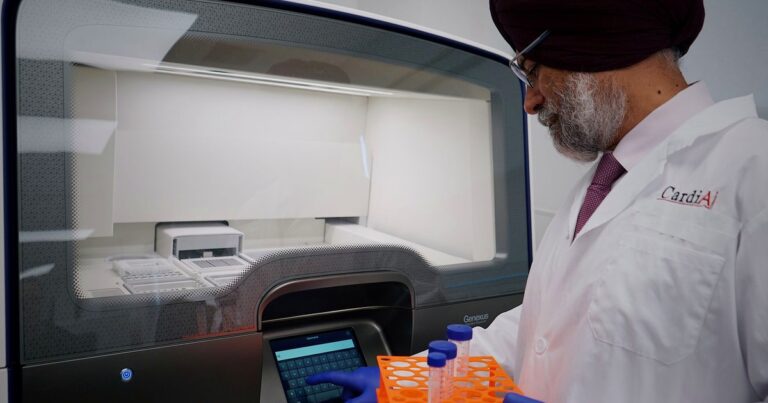
A B.Sc in Medical, often referred to as a Bachelor of Science in Medical Science or a related specialization, is an undergraduate degree program focusing on foundational and applied aspects of medical sciences. It typically covers subjects like anatomy, physiology, biochemistry, microbiology, pathology, pharmacology, and various allied health specializations, preparing students for roles in healthcare support, research, or further studies.
Unlike MBBS, which is a direct medical practitioner degree, B.Sc Medical courses are generally paramedical or allied health programs. They equip students with scientific knowledge and practical skills essential for supporting medical professionals, conducting laboratory analyses, managing healthcare information, or assisting in therapeutic procedures.
Key Specializations within B.Sc Medical
The B.Sc in Medical stream offers a diverse range of specializations. Students can choose based on their interests and career aspirations:
- B.Sc in Medical Laboratory Technology (MLT): Focuses on diagnosing diseases through laboratory tests.
- B.Sc in Radiology and Imaging Technology: Deals with medical imaging techniques like X-ray, MRI, CT scans.
- B.Sc in Operation Theatre Technology (OTT): Prepares students to assist surgeons in the operating room.
- B.Sc in Optometry: Specializes in eye care, vision testing, and prescribing corrective lenses.
- B.Sc in Renal Dialysis Technology: Focuses on operating dialysis equipment and assisting patients with kidney failure.
- B.Sc in Anaesthesia Technology: Assists anaesthesiologists during surgical procedures.
- B.Sc in Cardiac Technology: Deals with diagnostic and therapeutic procedures related to the heart.
- B.Sc in Perfusion Technology: Operates heart-lung machines during open-heart surgery.
- B.Sc in Nutrition and Dietetics: Focuses on food science, nutrition, and diet planning for health and disease management.
What is the Eligibility for B.Sc in Medical in India for 2026?
The primary eligibility criterion for most B.Sc in Medical courses in India for 2026 is completing 10+2 (or equivalent) with a Science stream. Students must have studied Physics, Chemistry, and Biology (PCB) as core subjects.
Specific requirements can vary by college and specialization:
- Minimum Marks: Generally, a minimum aggregate of 45-50% in PCB is required, though top institutions may demand higher percentages (60% or more).
- Age Limit: Some colleges might have a minimum age limit, typically 17 years as of December 31st of the admission year.
- Entrance Exams: While many colleges offer direct admission based on 10+2 marks, some prestigious universities or specific B.Sc Medical specializations may require entrance exams. Examples include university-specific tests (e.g., AIIMS Paramedical Entrance Exam, JIPMER Paramedical Entrance Exam) or state-level common entrance tests.
Eligibility Edge Cases and Important Considerations
- PCMB Students: Students with Physics, Chemistry, Mathematics, and Biology (PCMB) are usually eligible, often having an advantage in certain analytical roles.
- NIOS/Open Schooling: Students from recognized open schooling boards are generally eligible, provided they meet the subject and percentage criteria.
- Foreign Boards: Equivalent qualifications from foreign boards are accepted, subject to verification and equivalency certificates.
- Reservation Policies: Standard government reservation policies (SC/ST/OBC/EWS/PWD) apply to admissions in government colleges and often in private institutions as well.
How Does B.Sc in Medical Compare with MBBS, BAMS, and BHMS?
B.Sc in Medical courses differ significantly from MBBS (Bachelor of Medicine, Bachelor of Surgery), BAMS (Bachelor of Ayurvedic Medicine and Surgery), and BHMS (Bachelor of Homeopathic Medicine and Surgery) primarily in their scope of practice and duration. While MBBS, BAMS, and BHMS are professional degrees that qualify individuals to practice as doctors in their respective systems of medicine, B.Sc Medical degrees are allied health or paramedical courses that support the medical field.
| Feature | B.Sc in Medical (e.g., MLT, Radiology) | MBBS | BAMS | BHMS |
|---|---|---|---|---|
| Course Type | Allied Health/Paramedical | Allopathic Medicine | Ayurvedic Medicine | Homeopathic Medicine |
| Duration | 3-4 years (including internship) | 5.5 years (4.5 years academic + 1 year internship) | 5.5 years (4.5 years academic + 1 year internship) | 5.5 years (4.5 years academic + 1 year internship) |
| Practice Scope | Supportive roles (diagnostics, therapy assistance, lab work, technology operation) | Diagnose, treat, and prevent diseases using modern medicine | Diagnose, treat, and prevent diseases using Ayurvedic principles | Diagnose, treat, and prevent diseases using Homeopathic principles |
| Eligibility | 10+2 PCB (min 45-50%) | 10+2 PCB (min 50%), NEET-UG mandatory | 10+2 PCB (min 50%), NEET-UG mandatory | 10+2 PCB (min 50%), NEET-UG mandatory |
| Entrance Exam | University/State specific, or direct admission | NEET-UG | NEET-UG | NEET-UG |
| Career Path | Lab Technologist, Radiographer, Optometrist, Dialysis Technician, etc. | Doctor, Surgeon, Specialist | Ayurvedic Doctor, Consultant | Homeopathic Doctor, Consultant |
| Average Fees (Annual) | ₹30,000 – ₹2,00,000 (Govt); ₹80,000 – ₹4,00,000+ (Pvt) | ₹10,000 – ₹1,00,000 (Govt); ₹5,00,000 – ₹25,00,000+ (Pvt) | ₹20,000 – ₹1,50,000 (Govt); ₹1,50,000 – ₹5,00,000+ (Pvt) | ₹20,000 – ₹1,00,000 (Govt); ₹1,00,000 – ₹4,00,000+ (Pvt) |
Is B.Sc in Medical Worth It for Jobs and Career Outcomes?
Yes, a B.Sc in Medical is absolutely worth it for jobs, offering a stable and growing career path in the vast healthcare sector. Graduates are in high demand across hospitals, diagnostic centers, research labs, clinics, and public health organizations. The healthcare industry is recession-proof and continuously expanding, ensuring good job security and opportunities for advancement.
Career Paths and Average Salary Ranges (Annual, India 2026)
The salary for B.Sc Medical graduates varies significantly based on specialization, experience, location, and the type of employer (government vs. private, small clinic vs. large hospital chain). Entry-level salaries typically range from ₹2.0 LPA to ₹4.5 LPA, with experienced professionals earning much more.
| Job Role (B.Sc Specialization) | Entry-Level Salary (LPA) | Mid-Career Salary (LPA) | Top Employers |
|---|---|---|---|
| Medical Lab Technologist (MLT) | ₹2.0 – ₹3.5 | ₹4.0 – ₹7.0 | Pathology Labs, Hospitals, Research Institutes |
| Radiographer/Imaging Technologist | ₹2.5 – ₹4.0 | ₹4.5 – ₹8.0 | Hospitals, Diagnostic Imaging Centers |
| Operation Theatre Technician (OTT) | ₹2.0 – ₹3.0 | ₹3.5 – ₹6.0 | Hospitals, Surgical Centers |
| Optometrist | ₹2.5 – ₹4.5 | ₹5.0 – ₹9.0 | Optical Stores, Eye Clinics, Hospitals |
| Dialysis Technician | ₹2.0 – ₹3.5 | ₹4.0 – ₹6.5 | Hospitals, Dialysis Centers |
| Nutritionist/Dietitian | ₹2.5 – ₹4.0 | ₹4.5 – ₹8.5 | Hospitals, Wellness Centers, Private Practice |
| Cardiac Technologist | ₹3.0 – ₹4.5 | ₹5.0 – ₹9.0 | Hospitals (Cardiology Departments) |
Further Education Opportunities
After a B.Sc in Medical, students can pursue various postgraduate options:
- M.Sc in their respective specialization: Deepens knowledge and opens doors for teaching or research.
- MBA in Hospital Management/Healthcare Management: For those interested in administrative and managerial roles.
- PG Diploma courses: Specialized short-term programs for skill enhancement.
- Ph.D.: For a career in advanced research and academia.
How Much Does B.Sc in Medical Cost in India (2026)?
The cost of a B.Sc in Medical degree in India for 2026 varies significantly based on the type of institution (government vs. private), the specific specialization, and its location. Generally, government colleges are much more affordable than private ones.
- Government Colleges: Annual fees can range from ₹10,000 to ₹1,00,000. These institutions are often subsidized and offer high-quality education at a lower cost.
- Private Colleges/Universities: Annual fees can range from ₹80,000 to ₹4,00,000 or even more for highly specialized or reputed programs. These fees often include tuition, lab charges, and sometimes hostel accommodation.
Additional costs to consider include examination fees, study materials, hostel and mess charges (if applicable), and personal expenses.
What are the Pros and Cons of Pursuing B.Sc in Medical?
Understanding the advantages and disadvantages helps in making an informed decision.
Pros:
- High Demand: Constant need for skilled allied health professionals in a growing healthcare sector.
- Diverse Specializations: Wide range of fields to choose from based on interest.
- Relatively Shorter Duration: Most courses are 3-4 years, leading to quicker entry into the workforce compared to MBBS.
- Affordable Education: Especially in government institutions, the fees are manageable.
- Direct Patient Impact: Many roles involve direct interaction and support for patient care.
- Gateway to Further Studies: Strong foundation for M.Sc, MBA, or research.
- Global Opportunities: Indian B.Sc Medical degrees are often recognized internationally.
Cons:
- Limited Independent Practice: Unlike doctors, B.Sc Medical graduates generally cannot practice independently and work under supervision.
- Less Public Recognition: Often overshadowed by the medical doctor profession.
- Potential for Repetitive Work: Some roles might involve routine tasks.
- Stressful Environment: Healthcare environments can be demanding and high-pressure.
- Continuous Learning: Requires staying updated with new technologies and medical advancements.
Which Entrance Exams are Required for B.Sc in Medical in 2026?
While many colleges offer admission to B.Sc in Medical courses based on 10+2 merit, several institutions and specific specializations require candidates to clear an entrance examination. For 2026, students should be aware of the following types of exams:
- University-Specific Entrance Exams: Many central and state universities conduct their own tests for admission to their allied health programs. Examples include AIIMS Paramedical Entrance Exam, JIPMER Paramedical Entrance Exam, BHU UET (for some courses), and various state medical university entrance tests.
- State-Level Common Entrance Tests: Some states conduct common entrance tests for admission to B.Sc Medical and paramedical courses across their affiliated colleges.
- NEET-UG (for some specific courses): Although NEET-UG is primarily for MBBS/BDS/BAMS/BHMS, a few institutions might consider NEET scores for admission to certain B.Sc Nursing or other paramedical courses, though this is less common for general B.Sc Medical programs. Always check the specific college’s prospectus.
Key Dates and Pattern (General for 2026)
Most entrance exams for B.Sc Medical courses are conducted between May and July. The pattern typically includes multiple-choice questions (MCQs) from Physics, Chemistry, and Biology (PCB) at the 10+2 level.
| Exam Type | Tentative Application Period (2026) | Tentative Exam Date (2026) | Subjects Covered | Question Type |
|---|---|---|---|---|
| AIIMS Paramedical | March – April | June – July | Physics, Chemistry, Biology (10+2 level) | MCQ |
| JIPMER Paramedical | April – May | July | Physics, Chemistry, Biology, English, Logical Reasoning | MCQ |
| State CETs (e.g., MHT CET for Paramedical) | March – April | May – June | Physics, Chemistry, Biology (10+2 level) | MCQ |
| University-Specific Exams | Varies (typically April – June) | Varies (typically June – July) | Physics, Chemistry, Biology (10+2 level) | MCQ |
Note: These dates are tentative for 2026 and subject to change. Always refer to the official notifications of the respective institutions.
Explore more on FindMyCollege
Related pages for B.Sc in Medical aspirants on findmycollege.com:
Frequently Asked Questions
Is B.Sc in Medical a good alternative to MBBS if I don’t clear NEET?
Yes, B.Sc in Medical courses are excellent alternatives to MBBS if you don’t clear NEET. They offer direct entry into the healthcare sector with diverse specializations, good job prospects, and a significantly shorter study duration, without the requirement of NEET for most programs.
Can I pursue an M.Sc after a B.Sc in Medical?
Absolutely. After completing a B.Sc in Medical, you are eligible to pursue an M.Sc in your specialized field (e.g., M.Sc MLT, M.Sc Radiology) or related medical sciences. This further enhances your career prospects in research, academia, or advanced clinical roles.
What is the difference between B.Sc Medical and B.Sc Nursing?
While both are allied health professions, B.Sc Medical specializations focus on diagnostic, technical, or therapeutic support roles (e.g., lab work, imaging, OT assistance), whereas B.Sc Nursing focuses on direct patient care, administration of medication, and overall patient management.
Are there any scholarships available for B.Sc in Medical students?
Yes, many government schemes (e.g., Post Matric Scholarships for SC/ST/OBC/Minorities), institutional scholarships, and private trusts offer financial aid for B.Sc Medical students based on merit or economic need. Check the National Scholarship Portal and individual college websites.
What are the job prospects for B.Sc Medical graduates abroad?
Job prospects for B.Sc Medical graduates abroad are generally good, especially in countries with high demand for allied health professionals like the USA, UK, Canada, Australia, and Gulf countries. However, you may need to clear specific licensing exams or fulfill registration requirements in the destination country.
Can I open my own clinic after B.Sc in Medical?
Generally, B.Sc in Medical graduates cannot open a full-fledged independent clinic to diagnose and treat patients like an MBBS doctor. However, depending on your specialization (e.g., Optometry, Nutrition & Dietetics, or setting up a diagnostic lab if you are MLT with sufficient experience and relevant licenses), you might be able to establish a specialized practice or diagnostic center.
What subjects are typically covered in the first year of a B.Sc Medical course?
The first year of most B.Sc Medical courses typically covers foundational subjects such as Human Anatomy, Physiology, Biochemistry, Microbiology, Pathology, and sometimes basic Physics and Chemistry relevant to medical applications. Specifics vary by specialization.
Is a B.Sc in Medical a good choice for someone interested in research?
Yes, a B.Sc in Medical can be an excellent foundation for a career in research. Many specializations, particularly those in laboratory technology or medical science, provide strong theoretical and practical skills essential for research roles in pharmaceutical companies, biomedical research institutes, and academic settings. Further M.Sc and Ph.D. degrees are common for research careers.