B.Sc in Radiology Syllabus 2026: Course Details, Fees & Jobs
Nishit Kumar is a senior EdTech industry leader with over a decade of experience in building and scaling education platforms, shaping their product, content, and growth strategy. At…
Latest update: B.Sc in Radiology 2026 admissions & dates updated. Read more ›
Welcome to the comprehensive guide for the B.Sc in Radiology Syllabus 2026 in India. This page is designed to provide prospective students and parents with an in-depth understanding of this vital medical stream, covering everything from course structure and eligibility to career outcomes and financial considerations. A Bachelor of Science (B.Sc) in Radiology is an undergraduate program focused on the principles and techniques of medical imaging, preparing students to become skilled radiographers and imaging technologists.
What is B.Sc in Radiology?
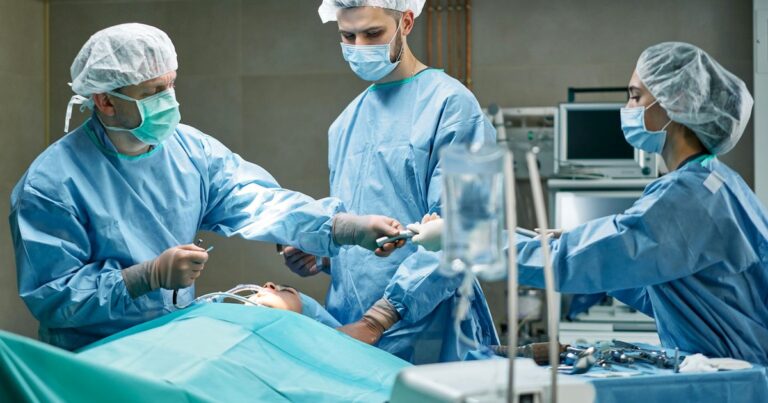
B.Sc in Radiology is a 3-year undergraduate degree program that trains students in the use of various imaging technologies, such as X-rays, CT scans, MRI, ultrasound, and nuclear medicine, to diagnose and treat diseases. Graduates play a crucial role in the healthcare system by producing high-quality diagnostic images and assisting radiologists.
What is the B.Sc in Radiology Syllabus and Course Structure?
The B.Sc in Radiology syllabus is meticulously designed to provide a strong foundation in human anatomy, physiology, pathology, and the physics of radiation, alongside extensive practical training in various imaging modalities. The course typically spans six semesters, with a blend of theoretical knowledge and hands-on clinical exposure.
Semester-wise B.Sc in Radiology Syllabus Overview (2026)
While specific subjects may vary slightly between universities, the core curriculum remains consistent, focusing on foundational sciences and specialized imaging techniques. Practical training and internships are integral to each semester.
| Semester | Core Subjects | Practical/Clinical Focus |
|---|---|---|
| Semester 1 | Human Anatomy, Human Physiology, Basic Physics, General Chemistry, English & Communication Skills | Basic Patient Care, Introduction to Hospital Environment |
| Semester 2 | Pathology, Microbiology, Radiation Physics, Radiographic Anatomy, Computer Applications | Basic Radiography Positioning, Darkroom Procedures |
| Semester 3 | Radiographic Techniques-I, Radiation Protection, Pharmacology, Medical Ethics, Quality Control in Radiology | Advanced Radiography, Fluoroscopy Techniques |
| Semester 4 | Radiographic Techniques-II, Imaging Physics, Special Radiographic Procedures, Image Processing, Patient Care & Management | CT Scan Principles & Operation, MRI Principles |
| Semester 5 | Ultrasound Imaging, CT Scan Technology, MRI Technology, Nuclear Medicine Basics, Research Methodology | Ultrasound Scanning Practice, CT & MRI Protocol Setup |
| Semester 6 | Advanced Imaging Modalities, Interventional Radiology, Picture Archiving & Communication System (PACS), Project Work/Internship | Clinical Rotations in various departments (CT, MRI, US, NM), Advanced Image Analysis |
What is the eligibility for B.Sc in Radiology?
To be eligible for B.Sc in Radiology, candidates must have successfully completed their 10+2 examination or equivalent with Physics, Chemistry, and Biology (PCB) as compulsory subjects from a recognized board. A minimum aggregate score, typically ranging from 45% to 50%, is required, though this can vary by institution.
Are there any age limits or specific subject requirements for B.Sc in Radiology?
While there is generally no upper age limit, candidates must usually be a minimum of 17 years old as of December 31st of the admission year. As mentioned, Physics, Chemistry, and Biology are mandatory subjects in 10+2. Some institutions might also consider candidates with Physics, Chemistry, and Mathematics (PCM) if they have a strong aptitude for the medical field, but PCB is the standard requirement.
How much does B.Sc in Radiology cost?
The cost of a B.Sc in Radiology program in India varies significantly based on the type of institution (government vs. private) and its reputation. Generally, government colleges offer more affordable fees compared to private institutions.
B.Sc in Radiology Fee Ranges (2026)
| Institution Type | Annual Fee Range (INR) | Total Course Fee Range (INR) |
|---|---|---|
| Government Colleges | ₹15,000 – ₹60,000 | ₹45,000 – ₹1,80,000 |
| Private Colleges | ₹60,000 – ₹2,50,000+ | ₹1,80,000 – ₹7,50,000+ |
These figures are indicative for the 2026 academic year and may not include hostel fees, examination fees, or other miscellaneous charges.
What is the admission process for B.Sc in Radiology?
The admission process for B.Sc in Radiology typically involves either merit-based admission (based on 10+2 scores) or entrance examinations conducted by individual universities or state-level bodies. Some top institutions may also include an interview round.
Key Admission Dates and Process (2026 Tentative)
- Application Period: April – June 2026
- Entrance Exams (if applicable): June – July 2026
- Merit List/Results: July – August 2026
- Counseling & Admissions: August – September 2026
- Classes Begin: September – October 2026
Students are advised to check the official websites of their preferred colleges for precise 2026 admission notifications and deadlines.
Is B.Sc in Radiology worth it for jobs? What are the career prospects?
Yes, B.Sc in Radiology is a highly valuable degree with excellent job prospects in the ever-growing healthcare sector. Graduates are in high demand in hospitals, diagnostic centers, clinics, and research institutions, both in India and abroad. The field offers stability, good remuneration, and opportunities for continuous learning and specialization.
Common Job Roles and Average Salary (India, 2026)
After completing B.Sc in Radiology, graduates can pursue various roles. Salaries depend on experience, location, and the type of employer.
| Job Role | Description | Average Annual Salary Range (INR) |
|---|---|---|
| Radiology Technologist/Radiographer | Operates X-ray, CT, MRI machines, and other imaging equipment to produce diagnostic images. | ₹2,50,000 – ₹6,00,000 |
| MRI Technologist | Specializes in operating Magnetic Resonance Imaging (MRI) scanners. | ₹3,00,000 – ₹7,50,000 |
| CT Technologist | Specializes in operating Computed Tomography (CT) scanners. | ₹2,80,000 – ₹7,00,000 |
| Ultrasound Technologist/Sonographer | Performs ultrasound examinations. | ₹2,70,000 – ₹6,50,000 |
| Diagnostic Imaging Technologist | A broader role encompassing various imaging modalities. | ₹2,60,000 – ₹6,20,000 |
| Application Specialist (Medical Imaging) | Works with medical equipment companies, providing training and support. | ₹3,50,000 – ₹8,00,000 |
With 3-5 years of experience, salaries can significantly increase, and opportunities for supervisory or managerial roles also emerge.
What is the difference between B.Sc in Radiology and Radiography?
Often used interchangeably, B.Sc in Radiology and B.Sc in Radiography generally refer to the same undergraduate program focused on medical imaging technology. ‘Radiography’ specifically refers to the process of taking X-rays, while ‘Radiology’ is a broader term encompassing all medical imaging techniques and the medical specialty of interpreting these images. The B.Sc degree prepares students to be radiographers or radiology technologists, who operate the equipment and produce the images for radiologists (medical doctors) to interpret.
What are the higher education options after B.Sc in Radiology?
After completing B.Sc in Radiology, students have several options for higher education to specialize further or pursue academic careers. These include:
- M.Sc in Radiology/Medical Imaging Technology: A 2-year postgraduate degree for advanced specialization.
- Post Graduate Diploma (PGD) courses: Specialized diplomas in areas like CT Technology, MRI Technology, or Ultrasonography.
- MBA in Hospital Management: For those interested in administrative and managerial roles in healthcare.
- Ph.D. in Medical Imaging: For research and academic careers.
Explore more on FindMyCollege
Related pages for B.Sc in Radiology aspirants on findmycollege.com:
Frequently Asked Questions
Is NEET required for B.Sc in Radiology?
No, NEET (National Eligibility cum Entrance Test) is typically not required for admission to B.Sc in Radiology. NEET is primarily for MBBS and BDS courses. Admissions to B.Sc Radiology are usually based on 10+2 merit or specific entrance exams conducted by universities.
Which are the top colleges for B.Sc in Radiology in India?
Some of the top colleges for B.Sc in Radiology in India include AIIMS (various branches), Christian Medical College (CMC) Vellore, Manipal Academy of Higher Education (MAHE), SRM Institute of Science and Technology, and various state government medical colleges. It’s advisable to research specific college rankings and affiliations.
Is B.Sc in Radiology a difficult course?
B.Sc in Radiology is a challenging but rewarding course. It requires a strong understanding of physics, anatomy, and physiology, along with precision and attention to detail for operating complex equipment. Consistent study and practical application are key to success.
Can I open my own diagnostic center after B.Sc in Radiology?
While a B.Sc in Radiology provides the technical expertise, opening a diagnostic center typically requires significant capital investment, regulatory approvals, and often a partnership with a qualified radiologist (MD in Radiology) for image interpretation and legal compliance. Graduates usually work under the supervision of radiologists.
What is the scope of B.Sc in Radiology abroad?
The scope for B.Sc in Radiology graduates abroad is excellent, especially in countries like the UK, USA, Canada, Australia, and the Middle East, where there is a high demand for skilled radiographers and imaging technologists. However, you may need to clear specific licensing exams and meet immigration requirements of the respective countries.
What skills are essential for a B.Sc in Radiology student?
Essential skills include a strong grasp of scientific principles, attention to detail, good communication skills (for patient interaction), technical aptitude for operating machinery, critical thinking, and empathy. Manual dexterity and the ability to work under pressure are also important.