Diploma in Radiology and Imaging Technology (DRIT) Full Form 2026
Nishit Kumar is a senior EdTech industry leader with over a decade of experience in building and scaling education platforms, shaping their product, content, and growth strategy. At…
Latest update: Diploma in Radiology and Imaging Technology 2026 admissions & dates updated. Read more ›
Welcome to the comprehensive guide for students and parents exploring the Diploma in Radiology and Imaging Technology (DRIT) Full Form in India for the 2026 academic year. This page provides an in-depth look into what DRIT entails, its eligibility criteria, admission process, curriculum, career prospects, and answers all your pressing questions about this vital medical paramedical course.
What is the Full Form of DRIT?
The full form of DRIT is Diploma in Radiology and Imaging Technology. This diploma program is designed to train students in the principles and practices of various imaging techniques used in medical diagnostics, preparing them to work as skilled radiology technicians or technologists.
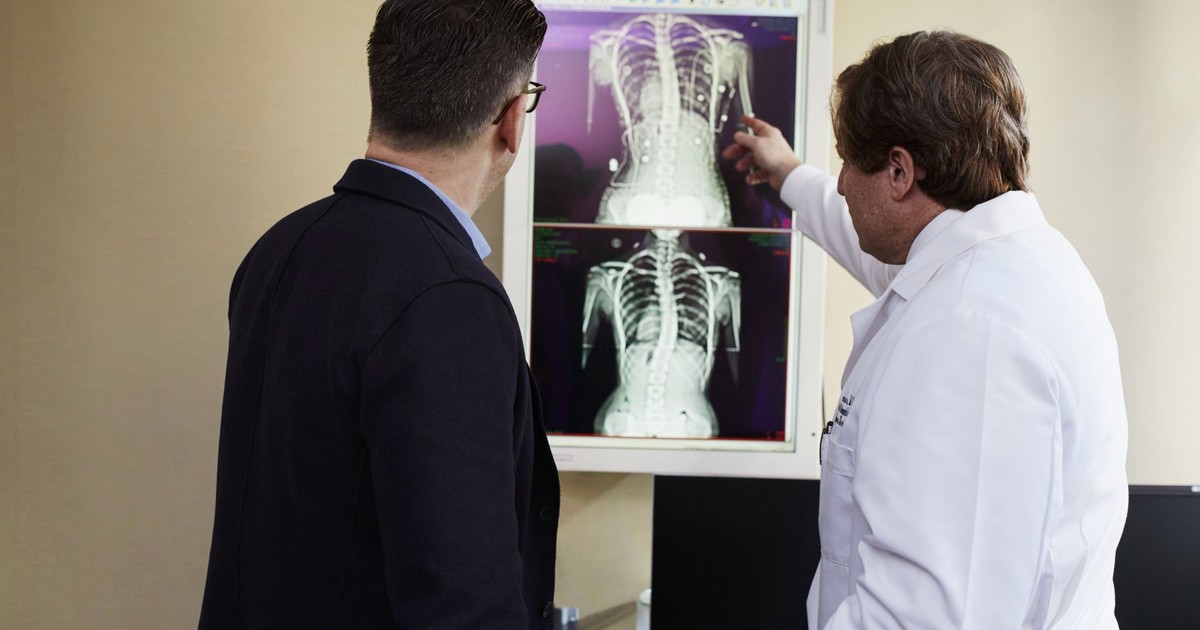
Radiology and Imaging Technology is a critical branch of healthcare that uses advanced imaging modalities like X-rays, CT scans, MRI, and ultrasound to diagnose diseases and injuries. Graduates of the DRIT program play a crucial role in assisting radiologists and other medical professionals by operating imaging equipment, ensuring patient safety, and producing high-quality diagnostic images.
What is the eligibility for Diploma in Radiology and Imaging Technology?
To be eligible for the Diploma in Radiology and Imaging Technology, candidates typically need to have completed their 10+2 (or equivalent) examination with Physics, Chemistry, and Biology (PCB) as compulsory subjects. Some institutions may also accept candidates with Physics, Chemistry, and Mathematics (PCM), but PCB is generally preferred or mandated due to the biological aspects of the field.
- Educational Qualification: Successful completion of 10+2 from a recognized board.
- Compulsory Subjects: Physics, Chemistry, and Biology (PCB) are usually mandatory. Some colleges might consider PCM.
- Minimum Marks: A minimum aggregate percentage, typically ranging from 40% to 50% in the 10+2 examination, is required. This percentage can vary between government and private institutions.
- Age Limit: Generally, candidates must be at least 17 years old as of December 31st of the admission year. There is usually no upper age limit, but specific colleges might have one.
How long is the Diploma in Radiology and Imaging Technology course?
The Diploma in Radiology and Imaging Technology (DRIT) is typically a 2-year full-time program. This duration includes both theoretical coursework and practical training, often incorporating an internship or clinical posting component to provide hands-on experience in a hospital or diagnostic center setting.
What is the admission process for Diploma in Radiology and Imaging Technology in 2026?
The admission process for the Diploma in Radiology and Imaging Technology in 2026 generally involves either direct admission based on 10+2 merit or through an entrance examination, followed by counseling. The specific process can vary by institution and state.
Merit-Based Admission
Many colleges, especially private ones, offer direct admission based on the marks obtained in the 10+2 examination. A higher percentage in PCB subjects increases the chances of securing a seat.
Entrance Examination Based Admission
Some prominent universities and government colleges conduct their own entrance exams. These exams typically test knowledge in Physics, Chemistry, Biology, and sometimes General English or Aptitude. After the exam, a merit list is prepared, and qualified candidates are called for counseling.
Common Steps in the Admission Process:
- Application Form: Fill out the online or offline application form released by the respective colleges/universities.
- Application Fee: Pay the non-refundable application fee.
- Entrance Exam (if applicable): Appear for the entrance examination on the scheduled date.
- Merit List/Results: Check the merit list or entrance exam results.
- Counseling/Interview: Attend counseling sessions or interviews where documents are verified, and seats are allotted based on merit and preference.
- Fee Payment: Pay the admission fees to confirm your seat.
Tentative Admission Dates for DRIT 2026
While exact dates for 2026 will be released later, here’s a general timeline for admission:
| Event | Tentative Dates (2026) |
|---|---|
| Application Form Release | April – May 2026 |
| Application Deadline | May – June 2026 |
| Entrance Exam (if applicable) | June – July 2026 |
| Result Declaration | July 2026 |
| Counseling/Admission | August 2026 |
| Classes Begin | September 2026 |
How much does Diploma in Radiology and Imaging Technology cost?
The cost of pursuing a Diploma in Radiology and Imaging Technology varies significantly between government and private institutions in India. Generally, government colleges offer the course at a much lower fee compared to private colleges.
Fee Structure for DRIT (Annual, 2026 Estimates):
- Government Colleges: INR 15,000 – INR 50,000 per annum.
- Private Colleges: INR 50,000 – INR 1,50,000 per annum.
These figures are approximate and can vary based on the college’s reputation, facilities, and location. Additional costs may include examination fees, hostel fees, study materials, and miscellaneous charges.
What is the syllabus for Diploma in Radiology and Imaging Technology?
The syllabus for the Diploma in Radiology and Imaging Technology is designed to provide a strong foundation in human anatomy, physiology, radiation physics, and the operation of various imaging equipment. It combines theoretical knowledge with extensive practical training.
Typical Subjects Covered (Semester-wise):
| Year 1 | Year 2 |
|---|---|
| Human Anatomy & Physiology | Radiographic Techniques – Special Procedures |
| General Physics & Radiation Physics | Computed Tomography (CT) |
| Radiographic Photography | Magnetic Resonance Imaging (MRI) |
| Basic Radiographic Positioning | Ultrasonography (USG) |
| Medical Ethics & Patient Care | Image Processing & Quality Control |
| Pharmacology & Contrast Media | Radiation Safety & Protection |
| Basic Computer Applications | Clinical Training/Internship |
Practical sessions and clinical postings are integral parts of the curriculum, allowing students to gain hands-on experience in operating equipment and assisting in diagnostic procedures.
Is Diploma in Radiology and Imaging Technology worth it for jobs?
Yes, the Diploma in Radiology and Imaging Technology is definitely worth it for jobs, offering a stable and in-demand career path in the healthcare sector. With the increasing reliance on advanced diagnostic imaging, skilled radiology technologists are crucial for hospitals, diagnostic centers, and clinics.
Career Prospects and Job Roles:
- Radiology Technologist/Technician: Operates X-ray, CT, MRI, and ultrasound equipment.
- MRI Technician: Specializes in Magnetic Resonance Imaging.
- CT Scan Technician: Specializes in Computed Tomography scans.
- Ultrasound Technician: Assists in performing sonography procedures.
- Diagnostic Imaging Technologist: A broader role covering various imaging modalities.
- Application Specialist: Works for equipment manufacturers, training users on new machines.
- PACS Administrator: Manages Picture Archiving and Communication Systems.
Employment Areas:
- Government and Private Hospitals
- Diagnostic Imaging Centers
- Medical Colleges and Research Institutions
- Super-specialty Clinics
- Armed Forces Medical Services
- Medical Equipment Manufacturing Companies
What is the salary after Diploma in Radiology and Imaging Technology?
The salary after a Diploma in Radiology and Imaging Technology varies based on experience, employer (government vs. private), location, and specific job role. Freshers can expect a decent starting salary, which significantly increases with experience and specialization.
Average Salary Ranges for DRIT Graduates (Annual, 2026 Estimates):
| Job Role | Fresher Salary (INR Lakhs/annum) | Experienced Salary (INR Lakhs/annum) |
|---|---|---|
| Radiology Technologist | 2.0 – 3.5 | 4.0 – 8.0+ |
| CT Scan Technician | 2.5 – 4.0 | 4.5 – 9.0+ |
| MRI Technician | 2.8 – 4.5 | 5.0 – 10.0+ |
| Ultrasound Technician (Assistant) | 2.2 – 3.8 | 4.0 – 7.5+ |
Salaries in metropolitan cities and for those working in large corporate hospitals or specialized diagnostic chains tend to be higher.
Diploma in Radiology and Imaging Technology vs. BSc in Radiology and Imaging Technology: Which is better?
Both Diploma in Radiology and Imaging Technology (DRIT) and Bachelor of Science (BSc) in Radiology and Imaging Technology are valuable courses, but they differ in duration, depth of study, and career progression. BSc offers a more comprehensive education and generally leads to higher-level roles and better long-term career growth.
Comparison Table: DRIT vs. BSc RIT
| Feature | Diploma in Radiology and Imaging Technology (DRIT) | BSc in Radiology and Imaging Technology |
|---|---|---|
| Duration | 2 years | 3 years |
| Focus | Practical, hands-on training, operational skills | Comprehensive theoretical knowledge, advanced concepts, research aptitude |
| Eligibility | 10+2 with PCB (40-50% aggregate) | 10+2 with PCB (50% aggregate or more) |
| Career Entry | Quicker entry into technician roles | Broader career options, potential for supervisory/managerial roles |
| Further Education | Can pursue lateral entry to BSc or other diplomas | Can pursue MSc, PG Diploma, or specialized certifications |
| Salary Potential | Good starting, moderate growth | Higher starting, significant growth potential |
If you are looking for a quicker entry into the workforce with essential skills, DRIT is excellent. If you aim for a deeper understanding, advanced roles, and better long-term career prospects, BSc RIT is the preferred choice. Many DRIT graduates also opt for lateral entry into BSc programs to enhance their qualifications.
Explore more on FindMyCollege
Related pages for Diploma in Radiology and Imaging Technology aspirants on findmycollege.com:
Frequently Asked Questions
Is DRIT a good career option in India?
Yes, DRIT is a very good career option in India. The demand for skilled radiology and imaging technologists is consistently high due to advancements in medical technology and the growing number of diagnostic centers and hospitals. It offers job security and a respectable position in the healthcare sector.
Can I pursue higher studies after completing DRIT?
Absolutely. After completing DRIT, you can pursue higher studies such as a Bachelor of Science (BSc) in Radiology and Imaging Technology, often through lateral entry into the second year of the degree program. You can also opt for specialized certificate courses in specific imaging modalities.
Are there any entrance exams for DRIT?
While many private colleges offer direct admission based on 10+2 merit, some government colleges and universities conduct their own entrance exams for DRIT. Examples include state-level paramedical entrance exams or university-specific tests. Always check the specific college’s admission brochure for details.
What is the difference between a Radiologist and a Radiology Technologist?
A Radiologist is a medical doctor (MD) who specializes in interpreting medical images (X-rays, CT, MRI, ultrasound) to diagnose diseases. A Radiology Technologist (or Technician) is a paramedical professional who operates the imaging equipment, positions patients, and produces the images, working under the supervision of a radiologist.
Is mathematics required for Diploma in Radiology and Imaging Technology?
While Physics and Chemistry are essential, Biology is typically the third compulsory subject for DRIT. Mathematics is generally not a mandatory subject for eligibility, though a basic understanding of it can be helpful in physics-related aspects of the course. Some institutions might accept PCM students, but PCB is more common.
What are the key skills required for a Radiology Technologist?
Key skills include strong technical aptitude for operating complex machinery, attention to detail for accurate image acquisition, good communication skills for patient interaction, empathy and patience, understanding of radiation safety protocols, and the ability to work effectively in a team.
Can DRIT graduates work abroad?
Yes, DRIT graduates can explore opportunities abroad, especially in countries with high demand for healthcare professionals. However, they may need to meet specific licensing requirements, pass local certification exams, or pursue additional qualifications (like a degree) depending on the country’s regulations. English-speaking countries like Canada, UK, Australia, and Gulf nations often have openings.