Doctorate of Medicine in Nuclear Medicine Entrance Exams 2026
Nishit Kumar is a senior EdTech industry leader with over a decade of experience in building and scaling education platforms, shaping their product, content, and growth strategy. At…
Latest update: Doctorate of Medicine in Nuclear Medicine 2026 admissions & dates updated. Read more ›
Aspiring medical professionals aiming for a super-specialization in Nuclear Medicine will find this comprehensive guide invaluable for understanding the Doctorate of Medicine (DM) in Nuclear Medicine entrance exams in India for the 2026 academic year. This page covers everything from eligibility criteria and application processes to exam patterns, key dates, and career outcomes, ensuring you are fully prepared for your journey.
What is a Doctorate of Medicine (DM) in Nuclear Medicine?
A Doctorate of Medicine (DM) in Nuclear Medicine is a highly specialized postgraduate medical degree focused on the diagnostic and therapeutic applications of radioactive materials. This super-specialty program trains physicians to use radiopharmaceuticals for imaging (e.g., PET, SPECT scans) and treating various diseases, including cancers, cardiac conditions, and neurological disorders.
What is the eligibility for Doctorate of Medicine in Nuclear Medicine Entrance Exams 2026?
To be eligible for the Doctorate of Medicine (DM) in Nuclear Medicine entrance exams in 2026, candidates must possess an MD (Doctor of Medicine) or DNB (Diplomate of National Board) degree in Radiodiagnosis, General Medicine, or Paediatrics from a university recognized by the National Medical Commission (NMC). Additionally, candidates must have completed their compulsory rotating internship and be registered with the NMC or a State Medical Council.
- Educational Qualification: MD/DNB in Radiodiagnosis, General Medicine, or Paediatrics. Some institutions might also accept MD/DNB in Nuclear Medicine if the candidate is seeking further specialization or a different institutional affiliation.
- Internship: Completion of a mandatory one-year rotating internship.
- Medical Registration: Valid permanent or provisional registration with the NMC/MCI or State Medical Council.
- Nationality: Indian nationals are generally eligible. Specific quotas or criteria may apply for OCI/PIO/Foreign nationals in some institutions.
- Age Limit: While there is generally no upper age limit for DM courses, some institutions or state-specific exams might have criteria, so it’s crucial to check individual prospectus.
Which are the main entrance exams for DM Nuclear Medicine in India?
The main entrance exams for DM Nuclear Medicine in India are primarily conducted at the national level, with some institutions also holding their own entrance tests. The most prominent national-level exam is INI-SS (Institute of National Importance Super Speciality), followed by exams conducted by various state medical universities and private institutions.
- INI-SS (Institute of National Importance Super Speciality): This is the primary entrance exam for admission to DM/MCh courses in AIIMS (Delhi, Bhopal, Bhubaneswar, Jodhpur, Patna, Raipur, Rishikesh), PGIMER Chandigarh, NIMHANS Bengaluru, and Sree Chitra Tirunal Institute for Medical Sciences & Technology (SCTIMST) Trivandrum.
- NEET SS (National Eligibility cum Entrance Test – Super Speciality): While NEET SS is a major exam for many super-specialty courses, DM Nuclear Medicine admissions are predominantly through INI-SS for top government institutions. However, some state medical universities and private colleges may consider NEET SS scores or conduct their own exams. It’s crucial to verify the specific admission pathway for each desired institution.
- Institutional Entrance Exams: Some deemed universities and private medical colleges may conduct their own entrance examinations for DM Nuclear Medicine. Examples include Christian Medical College (CMC) Vellore, which has its own rigorous admission process.
What is the exam pattern for DM Nuclear Medicine Entrance Exams 2026?
The exam pattern for DM Nuclear Medicine entrance exams typically involves a single paper with multiple-choice questions (MCQs) covering the candidate’s feeder specialty and general medical knowledge. The INI-SS exam pattern is a good representative example.
For INI-SS, the exam consists of 80 MCQs to be completed in 90 minutes. The distribution of questions is generally:
- Part A (40 MCQs): Questions from the feeder broad specialty (e.g., Radiodiagnosis, General Medicine, Paediatrics).
- Part B (40 MCQs): Questions from the super-specialty subject (Nuclear Medicine).
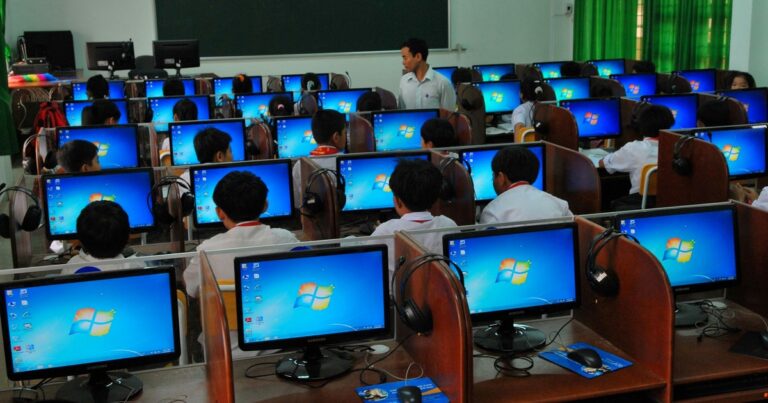
There is usually negative marking for incorrect answers (e.g., -1/3rd or -1 mark per incorrect answer), and no marks for unattempted questions. The medium of the exam is English, and it is conducted in a computer-based test (CBT) format.
DM Nuclear Medicine Entrance Exam Pattern Overview (INI-SS Example)
| Aspect | Details |
|---|---|
| Exam Name | INI-SS (Institute of National Importance Super Speciality) |
| Mode | Computer Based Test (CBT) |
| Duration | 90 minutes |
| Total Questions | 80 MCQs |
| Question Type | Multiple Choice Questions (MCQs) |
| Syllabus Coverage | Part A: Feeder Broad Specialty (MD Radiodiagnosis/General Medicine/Paediatrics) Part B: DM Nuclear Medicine Specific |
| Marking Scheme | +1 for correct answer, -1/3 or -1 for incorrect answer (varies slightly by year/institution), 0 for unattempted. |
| Language | English |
What are the key dates for DM Nuclear Medicine Entrance Exams 2026?
The key dates for DM Nuclear Medicine entrance exams in 2026, particularly for INI-SS, typically follow a biannual cycle, with sessions in January and July. While exact dates for 2026 are yet to be announced, they generally align with the previous year’s schedule. Candidates should regularly check the official websites of AIIMS and other institutions for precise notifications.
Tentative Key Dates for DM Nuclear Medicine Entrance Exams 2026 (Based on Previous Cycles)
| Event | January 2026 Session (Tentative) | July 2026 Session (Tentative) |
|---|---|---|
| Online Registration Start | Mid-September 2025 | Mid-March 2026 |
| Online Registration End | Mid-October 2025 | Mid-April 2026 |
| Final Status Update & Admit Card | Early December 2025 | Early June 2026 |
| Entrance Exam Date | Mid-December 2025 | Mid-June 2026 |
| Result Declaration | Late December 2025 | Late June 2026 |
| Counselling & Seat Allotment | January 2026 | July 2026 |
Note: These dates are highly tentative and based on previous years’ trends. Candidates must refer to the official notifications released by the respective examination authorities for accurate and updated information for 2026.
How much does a DM Nuclear Medicine course cost in India?
The cost of a DM Nuclear Medicine course in India varies significantly depending on the type of institution – government, private, or deemed university. Government institutions generally have very low tuition fees, while private and deemed universities can be substantially more expensive.
- Government Institutions (e.g., AIIMS, PGIMER): Tuition fees are typically nominal, ranging from INR 5,000 to INR 20,000 per annum. However, there might be other charges like hostel fees, examination fees, and security deposits, which are also relatively low.
- Private/Deemed Universities (e.g., CMC Vellore, Manipal University): Fees can range from INR 5 Lakhs to INR 25 Lakhs or more per annum. These institutions often have higher infrastructure costs and may include various other charges.
It is crucial to check the detailed fee structure in the prospectus of each college you are interested in, as the total cost can also include living expenses, books, and other miscellaneous charges.
Is DM Nuclear Medicine worth it for jobs and career prospects?
Yes, a DM in Nuclear Medicine is highly worth it for jobs and career prospects in India and globally, given the increasing demand for specialized diagnostic and therapeutic procedures. Nuclear Medicine is a rapidly evolving field with significant growth potential, offering excellent career stability and high earning potential.
Graduates with a DM in Nuclear Medicine can pursue diverse roles:
- Consultant Nuclear Medicine Physician: Working in large hospitals, diagnostic centers, and super-specialty clinics.
- Academician/Researcher: Joining medical colleges as faculty, engaging in teaching, and conducting research in nuclear medicine.
- Medical Director/Head of Department: Leading nuclear medicine departments in hospitals.
- Industrial Roles: Opportunities in pharmaceutical companies developing radiopharmaceuticals or medical device companies.
- International Opportunities: High demand for nuclear medicine specialists in developed countries.
Average Salary Ranges for DM Nuclear Medicine Graduates in India
| Role | Experience Level | Average Annual Salary (INR) |
|---|---|---|
| Junior Consultant | 0-3 years | 12 – 25 Lakhs |
| Senior Consultant | 3-8 years | 20 – 40 Lakhs |
| Head of Department/Director | 8+ years | 35 – 70+ Lakhs |
| Academician/Professor | Varies | 15 – 35 Lakhs |
Salaries can vary significantly based on the institution (government vs. private), city, experience, and specific responsibilities.
How does DM Nuclear Medicine compare to MD Radiodiagnosis with a Nuclear Medicine fellowship?
While both DM Nuclear Medicine and an MD Radiodiagnosis with a Nuclear Medicine fellowship lead to expertise in the field, they differ in their primary focus, depth of training, and recognition. DM Nuclear Medicine is a dedicated super-specialty degree, offering comprehensive and in-depth training solely in nuclear medicine, whereas an MD Radiodiagnosis with a fellowship provides a nuclear medicine sub-specialization on top of a broader radiology base.
- DM Nuclear Medicine:
- Focus: Exclusive and intensive training in all aspects of nuclear medicine, including diagnostic imaging (PET, SPECT), radionuclide therapy, radiopharmacy, and radiation safety.
- Duration: Typically 3 years after MD/DNB.
- Recognition: Recognized as a super-specialist in Nuclear Medicine.
- Career Path: Primarily nuclear medicine departments, dedicated nuclear medicine centers.
- MD Radiodiagnosis with Nuclear Medicine Fellowship:
- Focus: Primary training in general radiology (X-ray, CT, MRI, Ultrasound) with an additional 1-2 year fellowship focusing on nuclear medicine.
- Duration: 3 years for MD Radiodiagnosis + 1-2 years for fellowship.
- Recognition: Primarily a radiologist with sub-specialization in nuclear medicine.
- Career Path: Often in radiology departments that also house nuclear medicine, or combined imaging centers.
For those aiming for a career solely dedicated to nuclear medicine with the highest level of specialization and independent practice in the field, DM Nuclear Medicine is generally the preferred and more comprehensive pathway.
What is the application process for DM Nuclear Medicine Entrance Exams?
The application process for DM Nuclear Medicine entrance exams typically involves online registration, filling out the application form, uploading required documents, and paying the application fee. It is crucial to follow the instructions provided in the official prospectus of each exam or institution carefully.
- Online Registration: Visit the official website (e.g., aiimsexams.ac.in for INI-SS).
- Generate Registration ID: Create a new user profile with basic details.
- Fill Application Form: Provide personal, academic, and contact details.
- Upload Documents: Scan and upload passport-sized photograph, signature, thumb impression, MD/DNB degree certificate, MCI/SMC registration, internship completion certificate, and caste certificate (if applicable).
- Pay Application Fee: Pay the non-refundable application fee online via debit card, credit card, or net banking. Fees typically range from INR 2,000 to INR 4,000.
- Review and Submit: Carefully review all entered information before final submission.
- Print Confirmation Page: Save and print the confirmation page for future reference.
Candidates must ensure all information is accurate and documents are uploaded in the specified format to avoid rejection.
Which are the top colleges for DM Nuclear Medicine in India?
The top colleges for DM Nuclear Medicine in India are primarily government institutions of national importance known for their advanced facilities, experienced faculty, and high patient load, providing excellent clinical exposure. These institutions are highly competitive and sought after.
- All India Institute of Medical Sciences (AIIMS), New Delhi: Renowned for its comprehensive nuclear medicine department, research, and patient care.
- Postgraduate Institute of Medical Education and Research (PGIMER), Chandigarh: A leading institute with state-of-the-art nuclear medicine facilities.
- Christian Medical College (CMC), Vellore: A prestigious private institution with a strong nuclear medicine program.
- Sanjay Gandhi Postgraduate Institute of Medical Sciences (SGPGIMS), Lucknow: Offers excellent training in various super-specialties including nuclear medicine.
- Institute of Nuclear Medicine and Allied Sciences (INMAS), Delhi: A DRDO lab focused on nuclear medicine research and training.
- Various other AIIMS branches (Bhopal, Bhubaneswar, Jodhpur, etc.): Increasingly offering DM Nuclear Medicine programs.
Explore more on FindMyCollege
Related pages for Doctorate of Medicine in Nuclear Medicine aspirants on findmycollege.com:
Frequently Asked Questions
Can I pursue DM Nuclear Medicine after an MD in General Medicine?
Yes, candidates with an MD in General Medicine are eligible to apply for DM Nuclear Medicine entrance exams, as General Medicine is one of the recognized feeder specialties for this super-specialty course.
Is there any age limit for DM Nuclear Medicine entrance exams?
Generally, there is no upper age limit for DM courses in India, particularly for national-level exams like INI-SS. However, it is always advisable to check the specific prospectus of individual institutions or state-level exams for any particular age criteria.
What is the duration of the DM Nuclear Medicine course?
The Doctorate of Medicine (DM) in Nuclear Medicine is a 3-year full-time super-specialty program after completing an MD/DNB degree.
Do I need to clear NEET SS for DM Nuclear Medicine?
For admission to top government institutions like AIIMS and PGIMER, the primary entrance exam is INI-SS. While NEET SS is a major super-specialty exam, some state universities and private colleges might consider NEET SS scores or conduct their own exams for DM Nuclear Medicine. Always check the specific admission criteria of your target institutions.
What subjects are covered in the DM Nuclear Medicine entrance exam syllabus?
The syllabus for DM Nuclear Medicine entrance exams typically covers two main areas: the feeder broad specialty (e.g., MD Radiodiagnosis, General Medicine, Paediatrics) and the super-specialty subject of Nuclear Medicine itself, including basic sciences, instrumentation, radiopharmaceuticals, diagnostic procedures, and therapeutic applications.
Are there any scholarships available for DM Nuclear Medicine students?
Scholarships for DM Nuclear Medicine students are rare, as it is a super-specialty course. However, some institutions might offer stipends or junior residency salaries during the course. Candidates can also explore research grants or fellowships if they engage in academic or research activities during their DM program.
What is the difference between DM Nuclear Medicine and DNB Nuclear Medicine?
Both DM (Doctorate of Medicine) and DNB (Diplomate of National Board) in Nuclear Medicine are recognized super-specialty qualifications. DM is awarded by universities, while DNB is awarded by the National Board of Examinations (NBE). Both are considered equivalent for practice and academic positions, though DM is often associated with university-affiliated teaching hospitals and DNB with larger private or government hospitals with NBE accreditation.