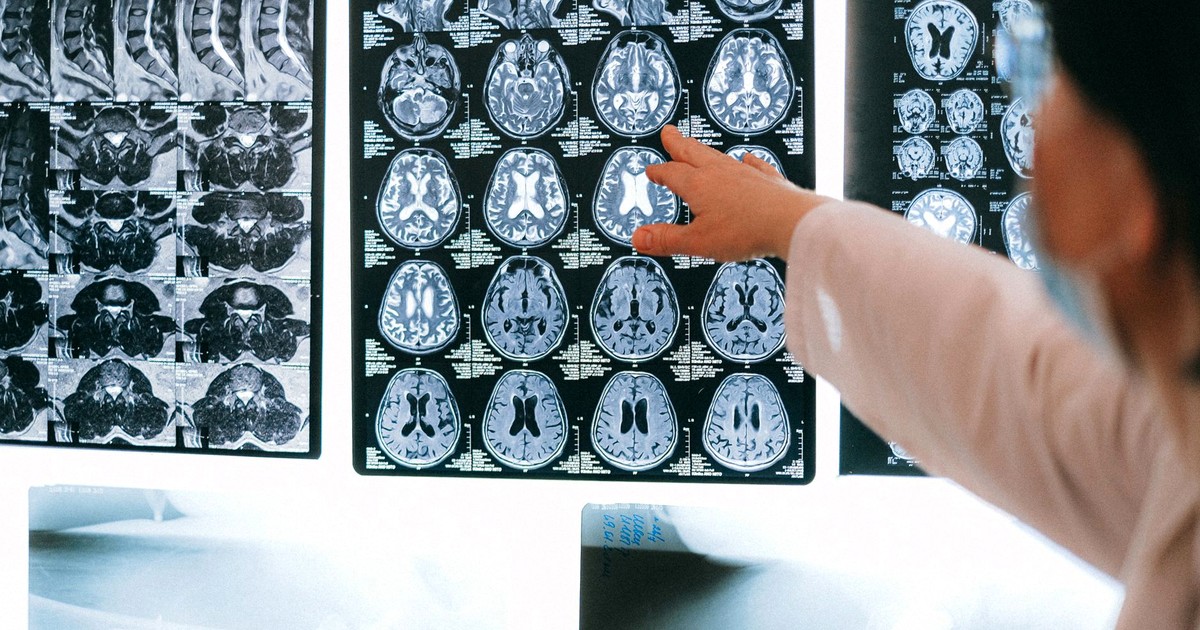
Doctorate of Medicine (Nuclear Medicine) Eligibility 2026
Nishit Kumar is a senior EdTech industry leader with over a decade of experience in building and scaling education platforms, shaping their product, content, and growth strategy. At…
Latest update: Doctorate of Medicine in Nuclear Medicine 2026 admissions & dates updated. Read more ›
This comprehensive guide details the Doctorate of Medicine (DM) in Nuclear Medicine eligibility criteria for 2026 in India. Aspiring medical professionals seeking advanced specialization in this cutting-edge field will find all necessary information regarding educational requirements, entrance examinations, application processes, fee structures, and career prospects.
What is the Doctorate of Medicine (DM) in Nuclear Medicine?
The Doctorate of Medicine (DM) in Nuclear Medicine is a highly specialized, super-specialty postgraduate medical degree focusing on the diagnostic and therapeutic applications of radioactive materials. This three-year program trains physicians in the use of radiopharmaceuticals for imaging organs and tissues, diagnosing diseases like cancer, heart conditions, and neurological disorders, and administering targeted radionuclide therapies.
What is the eligibility for Doctorate of Medicine in Nuclear Medicine in India for 2026?
To be eligible for the DM in Nuclear Medicine program in India for 2026, candidates must possess a Doctor of Medicine (MD) or Master of Surgery (MS) degree in a feeder specialty recognized by the Medical Council of India (MCI)/National Medical Commission (NMC). The most common feeder specialties include MD in Radiodiagnosis, MD in General Medicine, or MD in Pediatrics, though specific institutional requirements may vary.
Detailed Educational Qualification Criteria
- Primary Degree: Candidates must hold an MD/MS degree from an MCI/NMC recognized institution.
- Feeder Specialties: While MD Radiodiagnosis is often preferred, MD General Medicine, MD Pediatrics, and sometimes MD Pathology or MD Biochemistry may also be accepted. It is crucial to check the specific prospectus of each college or university.
- Internship: Completion of a compulsory rotating internship is mandatory for the primary MD/MS degree.
- MCI/NMC Registration: Candidates must possess permanent registration with the Medical Council of India (MCI) or the respective State Medical Council.
Are there any age limits or domicile requirements for DM Nuclear Medicine?
Generally, there are no upper age limits for pursuing a DM in Nuclear Medicine in India. Domicile requirements typically apply to state-quota seats in government colleges, where a candidate must be a resident of that particular state to be eligible for reservation benefits. All-India quota seats, however, are open to candidates from across the country.
What entrance exams are required for DM Nuclear Medicine in 2026?
Admission to DM Nuclear Medicine programs in India for 2026 is primarily through the National Eligibility cum Entrance Test (NEET-SS). Some institutions, particularly private universities or Institutes of National Importance (INIs) like AIIMS, may conduct their own entrance examinations.
NEET-SS 2026 Overview
NEET-SS is a single window entrance examination for admission to all DM/MCh and DNB Super Specialty courses in India. It is conducted by the National Board of Examinations in Medical Sciences (NBEMS).
| Aspect | Details (Estimated for 2026) |
|---|---|
| Exam Name | NEET-SS (National Eligibility cum Entrance Test – Super Specialty) |
| Conducting Body | National Board of Examinations in Medical Sciences (NBEMS) |
| Application Period | May – June 2026 |
| Exam Date | July – August 2026 |
| Result Declaration | August – September 2026 |
| Exam Mode | Computer Based Test (CBT) |
| Question Type | Multiple Choice Questions (MCQs) |
| Total Questions | 150 |
| Total Marks | 600 |
| Marking Scheme | +4 for correct, -1 for incorrect, 0 for unattempted |
| Syllabus | 50% from feeder broad specialty (e.g., Radiodiagnosis, General Medicine), 50% from super specialty (Nuclear Medicine) |
Other Potential Entrance Exams (Institution Specific)
- AIIMS DM Nuclear Medicine Entrance Exam: AIIMS New Delhi and other AIIMS institutions may conduct their own entrance tests for their DM programs.
- JIPMER DM Nuclear Medicine Entrance Exam: JIPMER Puducherry might also have its separate entrance examination.
What is the application process for DM Nuclear Medicine in 2026?
The application process for DM Nuclear Medicine in 2026 typically involves applying for the NEET-SS exam, followed by centralized counseling based on NEET-SS scores, or direct application to institutions conducting their own exams.
Step-by-Step Application Process
- NEET-SS Application: Register and apply online for NEET-SS through the official NBEMS website during the specified application window.
- Admit Card: Download the NEET-SS admit card once released.
- Appear for NEET-SS: Take the examination on the scheduled date.
- Result & Merit List: Check the NEET-SS results and the national merit list.
- Counseling Registration: Register for the centralized counseling process (usually conducted by MCC – Medical Counseling Committee) for DM/MCh seats.
- Choice Filling & Locking: Fill in your preferred colleges and courses (including DM Nuclear Medicine) based on your rank.
- Seat Allotment: Based on your rank and choices, seats will be allotted.
- Document Verification & Admission: Report to the allotted college with all original documents for verification and complete the admission formalities.
How much does Doctorate of Medicine in Nuclear Medicine cost (fees)?
The cost of pursuing a DM in Nuclear Medicine varies significantly between government and private institutions. Government colleges typically have much lower fees, ranging from INR 50,000 to INR 3,00,000 per annum, while private institutions can charge anywhere from INR 10,00,000 to INR 30,00,000 or more per annum.
| Institution Type | Annual Tuition Fee Range (INR) | Additional Costs (Estimated) |
|---|---|---|
| Government Colleges/AIIMS | 50,000 – 3,00,000 | Hostel, Mess, Exam Fees (50,000 – 1,50,000) |
| Private Colleges/Deemed Universities | 10,00,000 – 30,00,000+ | Hostel, Mess, Exam Fees, Development Fees (1,00,000 – 5,00,000) |
These figures are indicative and can change. Scholarship opportunities are limited for super-specialty courses but may be available through specific government schemes or institutional grants based on merit or economic need.
Is Doctorate of Medicine in Nuclear Medicine worth it for jobs and career prospects?
Yes, pursuing a DM in Nuclear Medicine is highly worth it for career prospects, as it leads to a specialized and in-demand medical profession with excellent job opportunities and competitive salaries. The field is growing rapidly due to advancements in imaging and therapeutic techniques.
Career Opportunities and Roles
- Nuclear Medicine Physician/Specialist: Diagnosing and treating diseases using radioactive materials.
- Consultant Nuclear Medicine: Working in large hospitals, diagnostic centers, and research institutions.
- Academician/Professor: Teaching and conducting research in medical colleges.
- Researcher: Contributing to the development of new radiopharmaceuticals and imaging techniques.
- Medical Advisor: In pharmaceutical companies specializing in nuclear medicine products.
Salary Expectations for DM Nuclear Medicine Specialists
Salaries for DM Nuclear Medicine specialists are highly competitive and depend on experience, type of institution (government vs. private), and location.
| Experience Level | Average Annual Salary Range (INR) |
|---|---|
| Fresher (0-2 years) | 12,00,000 – 25,00,000 |
| Mid-Level (3-7 years) | 25,00,000 – 50,00,000 |
| Senior/Consultant (8+ years) | 50,00,000 – 1,00,00,000+ |
These are approximate figures and can vary significantly based on the employer and individual skills.
What is the difference between MD Radiodiagnosis and DM Nuclear Medicine?
While both MD Radiodiagnosis and DM Nuclear Medicine involve medical imaging, MD Radiodiagnosis focuses on anatomical imaging using techniques like X-rays, CT, MRI, and Ultrasound, whereas DM Nuclear Medicine focuses on physiological and molecular imaging using radioactive tracers (radionuclides). MD Radiodiagnosis is a prerequisite for DM Nuclear Medicine in many cases, as it provides a foundational understanding of imaging principles.
Key Differences
- Focus: MD Radiodiagnosis (Anatomical Imaging); DM Nuclear Medicine (Functional/Molecular Imaging & Therapy).
- Techniques: MD Radiodiagnosis (X-ray, CT, MRI, Ultrasound); DM Nuclear Medicine (PET, SPECT, Gamma Camera, Radionuclide Therapy).
- Primary Goal: MD Radiodiagnosis (Structural abnormalities); DM Nuclear Medicine (Physiological processes, metabolic activity, targeted therapy).
- Prerequisite: MD Radiodiagnosis is often a feeder specialty for DM Nuclear Medicine.
What are the top colleges offering DM Nuclear Medicine in India?
Some of the top institutions offering DM in Nuclear Medicine in India are renowned for their academic excellence, advanced facilities, and research opportunities. These include:
- All India Institute of Medical Sciences (AIIMS), New Delhi
- Postgraduate Institute of Medical Education and Research (PGIMER), Chandigarh
- Jawaharlal Institute of Postgraduate Medical Education and Research (JIPMER), Puducherry
- Sanjay Gandhi Postgraduate Institute of Medical Sciences (SGPGIMS), Lucknow
- Tata Memorial Hospital (TMH), Mumbai (offers DNB Nuclear Medicine)
- Christian Medical College (CMC), Vellore
- King George’s Medical University (KGMU), Lucknow
What is the future scope of Nuclear Medicine in India?
The future scope of Nuclear Medicine in India is exceptionally bright, driven by technological advancements, increasing prevalence of chronic diseases (especially cancer and cardiovascular diseases), and the growing demand for personalized medicine. There is a significant expansion in the use of PET-CT, SPECT-CT, and theranostics (combining diagnostics and therapy), ensuring a robust demand for skilled nuclear medicine specialists.
Explore more on FindMyCollege
Related pages for Doctorate of Medicine in Nuclear Medicine aspirants on findmycollege.com:
Frequently Asked Questions
Can I pursue DM Nuclear Medicine after MBBS directly?
No, you cannot pursue DM Nuclear Medicine directly after MBBS. A postgraduate degree like MD (Radiodiagnosis, General Medicine, or Pediatrics) is a mandatory prerequisite for admission to DM Nuclear Medicine programs.
Is DNB Nuclear Medicine equivalent to DM Nuclear Medicine?
Yes, the DNB (Diplomate of National Board) in Nuclear Medicine is considered equivalent to DM (Doctorate of Medicine) in Nuclear Medicine by the National Medical Commission (NMC) for all practical purposes, including employment and academic progression.
What is the typical duration of the DM Nuclear Medicine course?
The DM Nuclear Medicine course is typically a three-year full-time super-specialty program after completing your MD/MS degree.
Are there any bond obligations after completing DM Nuclear Medicine?
Some government institutions or state governments may have bond obligations, requiring graduates to serve in government hospitals for a specified period (e.g., 1-3 years) after completing their DM, especially if they studied under a subsidized fee structure or state quota. This varies by institution and state.
What is the syllabus like for DM Nuclear Medicine?
The DM Nuclear Medicine syllabus covers a wide range of topics including basic radiation physics, instrumentation, radiopharmacy, radiation biology, radiation safety, clinical nuclear medicine (cardiology, oncology, neurology, endocrinology, nephrology, etc.), nuclear medicine therapy, and research methodology.
How competitive is admission to DM Nuclear Medicine?
Admission to DM Nuclear Medicine is highly competitive due to the limited number of seats and the specialized nature of the field. A strong performance in NEET-SS or institutional entrance exams is crucial for securing a seat in a reputable college.