B.Sc in Cardiology Full Form & Course Guide (India 2026)
Nishit Kumar is a senior EdTech industry leader with over a decade of experience in building and scaling education platforms, shaping their product, content, and growth strategy. At…
Latest update: B.Sc in Cardiology 2026 admissions & dates updated. Read more ›
Welcome to the comprehensive guide for students and parents interested in the B.Sc in Cardiology program in India for the 2026 academic year. This page aims to clarify all aspects of this specialized undergraduate degree, from its full form and core curriculum to eligibility, career opportunities, and financial considerations. Understanding the nuances of this course is crucial for making an informed decision about your future in the rapidly evolving field of cardiac healthcare.
What is the Full Form of B.Sc in Cardiology?
The full form of B.Sc in Cardiology is Bachelor of Science in Cardiology. This undergraduate degree program focuses on the study of the human heart and circulatory system, preparing students for roles as cardiac technologists and allied healthcare professionals specializing in cardiovascular care.
What is B.Sc in Cardiology? An Overview
B.Sc in Cardiology is a three-year undergraduate program designed to equip students with theoretical knowledge and practical skills in diagnosing, monitoring, and treating cardiovascular diseases. Graduates play a vital role in supporting cardiologists by performing various diagnostic tests, assisting in procedures, and managing cardiac equipment. The curriculum integrates subjects like human anatomy, physiology, pharmacology, and specialized cardiology topics.
Key Aspects of the B.Sc in Cardiology Program
- Duration: 3 years (full-time)
- Level: Undergraduate
- Focus: Cardiac diagnostic procedures, patient care, operation of cardiovascular equipment.
- Career Path: Cardiac Technologist, Cardiovascular Technologist, ECG Technician, Cath Lab Technician.
- Scope: High demand due to increasing prevalence of heart diseases and advancements in cardiac care.
What is the Eligibility for B.Sc in Cardiology?
To be eligible for a B.Sc in Cardiology program in India, candidates must typically have completed their 10+2 (or equivalent) examination with a science stream, specifically with Physics, Chemistry, and Biology (PCB) as core subjects. A minimum aggregate percentage, usually ranging from 45% to 50%, is required, though this can vary by institution.
Detailed Eligibility Criteria for 2026 Admissions
- Educational Qualification: Successful completion of 10+2 or equivalent from a recognized board.
- Subjects: Mandatory Physics, Chemistry, and Biology. Some colleges may also consider candidates with Physics, Chemistry, and Mathematics (PCM) if they have a strong interest and foundational knowledge in biology.
- Minimum Marks: Generally 45-50% aggregate in the qualifying examination. Reserved categories (SC/ST/OBC) often have a relaxation of 5%.
- Age Limit: Most institutions require a minimum age of 17 years as of December 31st of the admission year. There is usually no upper age limit.
- Entrance Exams: While many private colleges offer direct admission based on 10+2 marks, some reputed universities and government institutions may conduct their own entrance examinations.
How to Apply for B.Sc in Cardiology in 2026?
The application process for B.Sc in Cardiology in 2026 typically involves online registration, submission of academic documents, and potentially an entrance exam. It’s crucial to monitor college websites for specific dates and requirements.
Step-by-Step Application Process
- Research Colleges: Identify colleges offering B.Sc in Cardiology and check their specific eligibility criteria and application deadlines.
- Online Application: Fill out the application form on the college’s official website. This usually involves creating an account, providing personal and academic details.
- Document Upload: Upload scanned copies of required documents (10th and 12th mark sheets, photo, signature, caste certificate if applicable).
- Application Fee: Pay the non-refundable application fee online.
- Entrance Exam (if applicable): Prepare for and appear in any required entrance examinations.
- Merit List/Counseling: Colleges will release merit lists based on 10+2 marks or entrance exam scores. Shortlisted candidates will be called for counseling or an interview.
- Admission & Fee Payment: Upon selection, complete the admission formalities and pay the first installment of tuition fees.
What is the Syllabus for B.Sc in Cardiology?
The B.Sc in Cardiology syllabus is designed to provide a strong foundation in human anatomy, physiology, and specialized cardiac procedures. It combines theoretical knowledge with extensive practical training.
Typical B.Sc in Cardiology Syllabus (Semester-wise)
| Semester | Core Subjects | Practical/Lab Work |
|---|---|---|
| Semester 1 | Human Anatomy, Physiology, Biochemistry, Medical Ethics | Anatomy Lab, Physiology Lab |
| Semester 2 | Pathology, Microbiology, Pharmacology, Basic Computer Skills | Pathology Lab, Microbiology Lab |
| Semester 3 | Introduction to Cardiovascular System, Cardiac Anatomy & Physiology, Electrocardiography (ECG) | ECG Interpretation, Basic Life Support (BLS) |
| Semester 4 | Cardiac Pharmacology, Echocardiography Principles, Stress Testing, Holter Monitoring | Echocardiography Lab, Stress Test Assistance |
| Semester 5 | Cardiac Catheterization Techniques, Interventional Cardiology, Cardiac Imaging (CT/MRI) | Cath Lab Observation, Imaging Techniques |
| Semester 6 | Cardiac Surgical Procedures, Pacemakers & ICDs, Critical Care Cardiology, Project Work/Internship | Surgical Assisting (Observation), Device Programming Basics |
How much does B.Sc in Cardiology Cost? (Fees in India)
The cost of a B.Sc in Cardiology program in India varies significantly based on the type of institution (government vs. private) and its reputation. Generally, government colleges are more affordable, while private institutions tend to have higher fees.
B.Sc in Cardiology Fee Ranges (Annual, India 2026)
| Institution Type | Annual Fee Range (INR) | Total Course Fee (Approx. 3 Years) |
|---|---|---|
| Government Colleges/Universities | ₹20,000 – ₹80,000 | ₹60,000 – ₹2,40,000 |
| Private Colleges/Universities | ₹80,000 – ₹3,00,000+ | ₹2,40,000 – ₹9,00,000+ |
These figures are indicative for the 2026 academic year and may not include hostel fees, examination fees, or other miscellaneous charges. Scholarships are often available for meritorious students or those from economically weaker sections.
Is B.Sc in Cardiology worth it for jobs? (Career & Salary)
Yes, a B.Sc in Cardiology is a highly valuable degree for job prospects in the healthcare sector, particularly given the rising incidence of cardiovascular diseases globally. Graduates are in high demand as Cardiac Technologists and related roles, offering stable careers and competitive salaries.
Career Prospects and Salary Ranges (India)
After completing B.Sc in Cardiology, graduates can find employment in hospitals, cardiac clinics, diagnostic centers, and research institutions. The roles are critical for patient care and diagnostic accuracy.
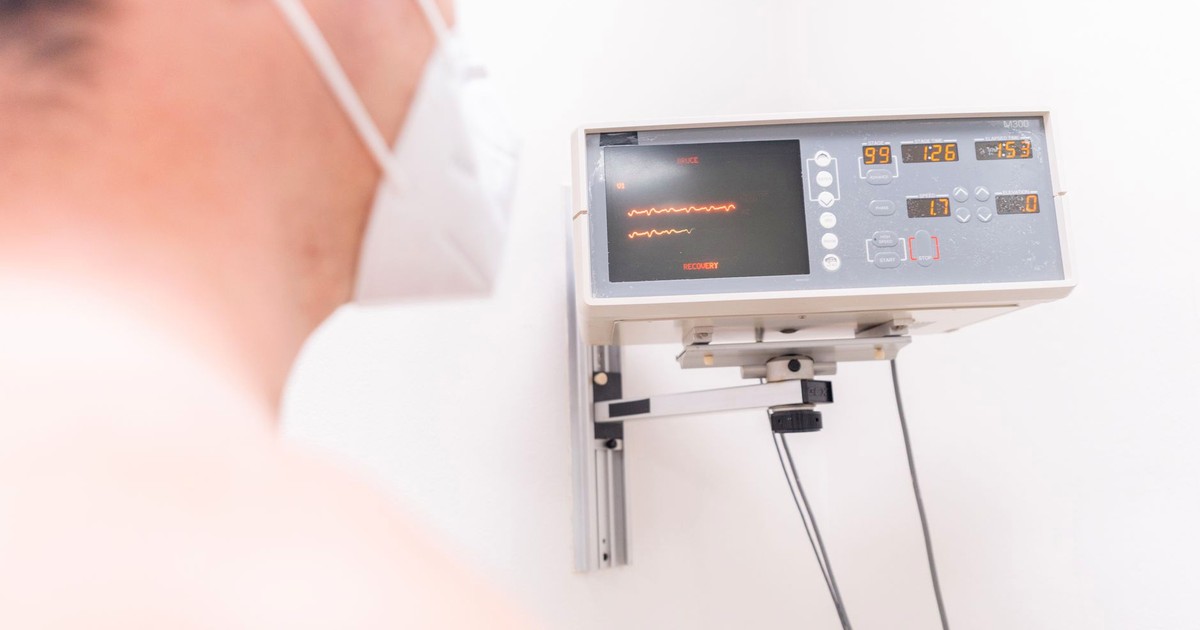
- Cardiac Technologist/Cardiovascular Technologist: Performs ECGs, stress tests, echocardiograms, assists in catheterization labs.
- ECG Technician: Specializes in performing and interpreting electrocardiograms.
- Cath Lab Technician: Assists cardiologists during invasive procedures like angioplasty and angiography.
- Echocardiography Technician: Specializes in performing ultrasound imaging of the heart.
- Medical Sonographer (Cardiovascular): Operates ultrasound equipment to create images of the heart and blood vessels.
Average Salary for B.Sc in Cardiology Graduates (India)
| Job Role | Entry-Level Salary (Per Annum) | Experienced Salary (Per Annum) |
|---|---|---|
| Cardiac Technologist | ₹2.5 Lacs – ₹4.5 Lacs | ₹5 Lacs – ₹10 Lacs+ |
| ECG Technician | ₹2 Lacs – ₹3.5 Lacs | ₹4 Lacs – ₹7 Lacs |
| Cath Lab Technician | ₹3 Lacs – ₹5 Lacs | ₹6 Lacs – ₹12 Lacs+ |
| Echocardiography Technician | ₹2.8 Lacs – ₹4.8 Lacs | ₹5.5 Lacs – ₹10 Lacs+ |
Salaries are influenced by factors such as the employing institution (government vs. private hospital), city, experience, and additional certifications. Opportunities for career advancement include supervisory roles, specialized areas, and further education (M.Sc, PG Diploma).
B.Sc in Cardiology vs. Other Allied Health Courses: Which is Better?
Choosing between B.Sc in Cardiology and other allied health courses depends on individual interests and career aspirations. While all allied health professions are vital, B.Sc in Cardiology offers a specialized focus on cardiovascular health, a field with high demand.
Comparison with Related Allied Health Courses
- B.Sc in Medical Laboratory Technology (MLT): Focuses on laboratory diagnostics (blood tests, microbiology). Cardiology focuses on direct patient cardiac diagnostics.
- B.Sc in Radiology & Imaging Technology: Deals with various imaging modalities (X-ray, CT, MRI) across all body parts. Cardiology is specialized for heart imaging.
- B.Sc in Anesthesia Technology: Prepares students to assist anesthesiologists during surgeries. Cardiology is diagnostic and interventional for heart conditions.
- B.Sc in Perfusion Technology: Highly specialized, focuses on operating heart-lung machines during open-heart surgeries. Cardiology is broader, covering diagnostics and non-surgical interventions as well.
If you have a strong interest in the heart, its functions, and related diagnostic/interventional procedures, B.Sc in Cardiology is an excellent choice. If your interest lies in general lab work or broader imaging, other courses might be more suitable.
Top Colleges for B.Sc in Cardiology in India (2026)
Several reputable institutions across India offer high-quality B.Sc in Cardiology programs. When choosing a college, consider factors like faculty expertise, infrastructure, clinical exposure, and placement records.
Some Leading Institutions (Indicative List)
- All India Institute of Medical Sciences (AIIMS), Delhi (offers similar courses, check specific program names)
- Postgraduate Institute of Medical Education and Research (PGIMER), Chandigarh
- Christian Medical College (CMC), Vellore
- Manipal Academy of Higher Education (MAHE), Manipal
- SRM Institute of Science and Technology, Chennai
- Amrita Vishwa Vidyapeetham, Kochi
- Jawaharlal Institute of Postgraduate Medical Education and Research (JIPMER), Puducherry (offers similar courses)
- Various state government medical colleges and private universities with strong allied health departments.
It is always recommended to check the official websites of these institutions for the most up-to-date information regarding admissions for 2026.
What are the future prospects after B.Sc in Cardiology?
The future prospects after a B.Sc in Cardiology are bright and continually expanding. Graduates can pursue higher education, specialize further, or take on advanced roles in clinical settings. The demand for skilled cardiac technologists is expected to grow significantly.
Advanced Studies and Specializations
- M.Sc in Cardiovascular Technology: A postgraduate degree for advanced knowledge and research.
- Post Graduate Diploma (PGD) in specific areas: e.g., PGD in Echocardiography, PGD in Cardiac Catheterization.
- Certifications: Specialized certifications in advanced cardiac life support (ACLS), specific equipment operation, etc.
With experience and further education, professionals can move into roles like Chief Cardiac Technologist, Department Manager, Clinical Application Specialist for medical device companies, or even pursue teaching and research.
Explore more on FindMyCollege
Related pages for B.Sc in Cardiology aspirants on findmycollege.com:
Frequently Asked Questions