B.Sc in Cardiology Salary in India 2026: A Comprehensive Guide
Nishit Kumar is a senior EdTech industry leader with over a decade of experience in building and scaling education platforms, shaping their product, content, and growth strategy. At…
Latest update: B.Sc in Cardiology 2026 admissions & dates updated. Read more ›
Welcome to the comprehensive guide on B.Sc in Cardiology salary in India for 2026. This page is designed for prospective students and their parents, offering a detailed look into the financial outcomes and career prospects after completing a Bachelor of Science in Cardiology Technology. Understanding the potential earnings is crucial for making informed decisions about your academic and professional future in the healthcare sector.
What is B.Sc in Cardiology Technology?
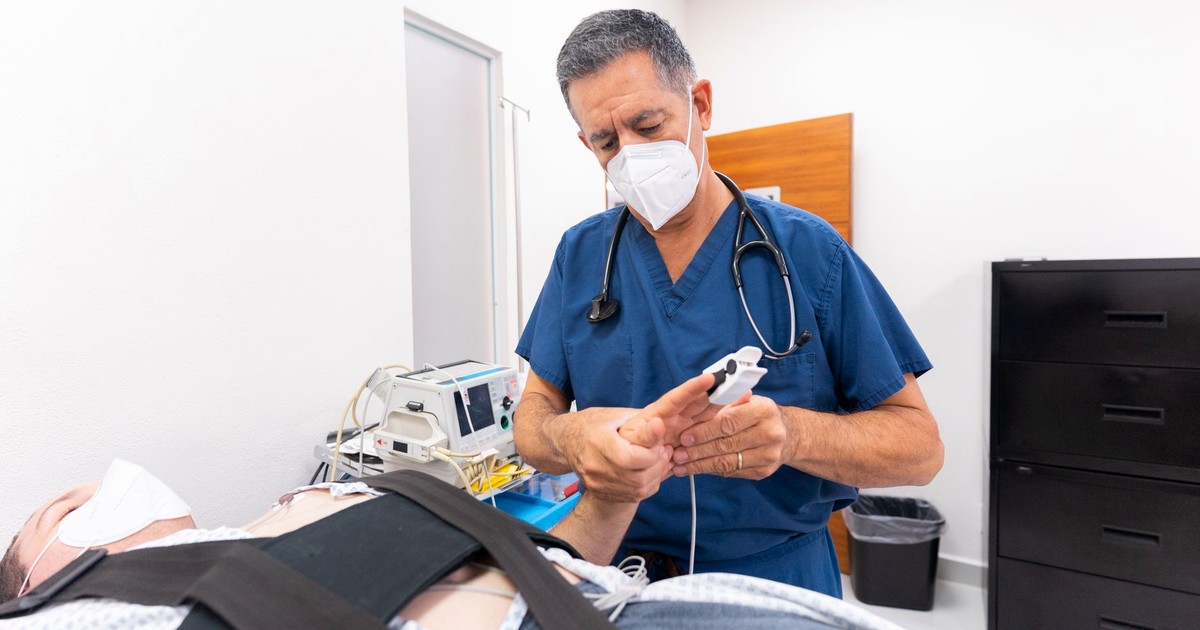
B.Sc in Cardiology Technology is an undergraduate program focused on training students to assist cardiologists in diagnosing and treating heart-related conditions. Graduates learn to operate various cardiovascular diagnostic equipment, perform procedures like ECG, echocardiography, stress tests, and assist in catheterization labs. It’s a vital role in the ever-growing field of cardiac care.
What is the average B.Sc in Cardiology salary in India for 2026?
The average starting salary for a B.Sc in Cardiology graduate in India in 2026 typically ranges from ₹2.5 LPA to ₹4.5 LPA. This figure can vary significantly based on factors such as the employing institution (government vs. private), city, specific role, and the individual’s skills and practical experience.
What factors influence B.Sc in Cardiology salary in India?
Several key factors significantly influence the salary potential for B.Sc in Cardiology graduates in India:
- Type of Employer: Government hospitals generally offer stable salaries with good benefits, while private hospitals and corporate chains might offer higher initial packages, especially in metropolitan areas. Diagnostic centers and specialized cardiac clinics also have varying pay scales.
- Location: Metropolitan cities like Mumbai, Delhi, Bangalore, Chennai, and Hyderabad typically offer higher salaries due to a greater demand for skilled professionals and a higher cost of living. Tier-2 and Tier-3 cities might have slightly lower pay scales.
- Experience Level: As with any profession, experience plays a crucial role. Salaries tend to increase substantially with 2-5 years of experience, often reaching ₹5 LPA to ₹8 LPA or more for senior roles.
- Skills and Specialization: Proficiency in advanced techniques (e.g., interventional cardiology assistance, electrophysiology studies) or certifications in specific equipment operation can command higher salaries.
- Reputation of Institution: Graduates from well-reputed colleges or universities often have an edge in securing better initial placements and salary packages due to perceived quality of training.
What are the typical job roles and their salaries after B.Sc in Cardiology?
Graduates of B.Sc in Cardiology Technology can pursue various roles within the healthcare sector. Here’s a breakdown of common job profiles and their expected salary ranges in India for 2026:
| Job Role | Description | Average Starting Salary (₹ LPA) | Average Mid-Career Salary (₹ LPA) |
|---|---|---|---|
| Cardiovascular Technologist | Assists cardiologists with diagnostic tests like ECG, Echo, TMT, and Holter monitoring. | 2.5 – 4.0 | 4.5 – 7.0 |
| Cath Lab Technologist | Specializes in assisting during cardiac catheterization procedures, angioplasties, and stenting. | 3.0 – 4.5 | 5.0 – 8.0 |
| Echocardiography Technician | Performs ultrasound imaging of the heart to diagnose various cardiac conditions. | 2.8 – 4.2 | 4.8 – 7.5 |
| Cardiac Sonographer | Similar to Echocardiography Technician, often requiring advanced certification. | 3.0 – 4.8 | 5.5 – 8.5 |
| Cardiac Perfusionist Assistant | Assists perfusionists in operating heart-lung machines during open-heart surgeries (requires further specialization). | 3.5 – 5.0 | 6.0 – 9.0+ |
| Medical Coder (Cardiology) | Translates medical reports into codes for billing and insurance purposes. | 2.0 – 3.5 | 3.5 – 6.0 |
Which cities in India offer the best salaries for B.Sc in Cardiology graduates?
Metropolitan and major cities in India generally offer higher salary packages for B.Sc in Cardiology graduates due to the concentration of advanced healthcare facilities and higher demand. Top cities include:
- Mumbai, Maharashtra: Known for its numerous private hospitals and cardiac centers.
- Delhi NCR: Home to AIIMS, Max Healthcare, Fortis, and other leading institutions.
- Bengaluru, Karnataka: A hub for medical tourism and advanced healthcare.
- Chennai, Tamil Nadu: Often referred to as India’s health capital.
- Hyderabad, Telangana: Growing healthcare infrastructure with many corporate hospitals.
- Pune, Maharashtra: Emerging as a significant healthcare destination.
Is B.Sc in Cardiology worth it for jobs and salary in India?
Yes, B.Sc in Cardiology is generally considered a worthwhile career path in India, offering stable job prospects and competitive salaries, especially with experience. The increasing prevalence of cardiovascular diseases and advancements in cardiac care technology ensure a consistent demand for skilled cardiology technologists. The healthcare sector is recession-proof, providing long-term career stability and opportunities for growth and specialization.
What are the career growth opportunities after B.Sc in Cardiology?
Career growth after B.Sc in Cardiology is promising. Graduates can advance their careers through:
- Specialization: Pursuing advanced diplomas or certifications in specific areas like interventional cardiology, electrophysiology, or pediatric cardiology.
- Higher Education: Opting for a Master’s degree (M.Sc) in Cardiology Technology, Cardiovascular Technology, or related fields, which can lead to roles in teaching, research, or advanced clinical practice.
- Leadership Roles: With experience, technologists can move into supervisory or managerial positions, such as Chief Cardiovascular Technologist or Department Head.
- Sales and Application Specialist: Working with medical equipment companies to demonstrate and sell cardiac diagnostic devices.
How does B.Sc in Cardiology salary compare to other paramedical courses?
B.Sc in Cardiology generally offers competitive salaries compared to many other paramedical courses, often on par with or slightly higher than fields like Medical Laboratory Technology (MLT) or Radiology Technology, especially for specialized roles. However, it might be slightly lower than highly specialized fields requiring longer education, such as Physician Assistant programs in some contexts, or certain allied health professions with direct patient care responsibilities.
| Paramedical Course | Average Starting Salary (₹ LPA) | Notes |
|---|---|---|
| B.Sc in Cardiology Technology | 2.5 – 4.5 | Specialized, high demand in cardiac care. |
| B.Sc in Medical Lab Technology (MLT) | 2.0 – 3.5 | Broad demand, but less specialization initially. |
| B.Sc in Radiology & Imaging Technology | 2.5 – 4.0 | Good demand, requires precision and technical skills. |
| B.Sc in Operation Theatre Technology (OTT) | 2.0 – 3.8 | Crucial role in surgical teams. |
| B.Sc in Dialysis Technology | 2.2 – 3.8 | Growing demand due to increasing kidney diseases. |
What are the top recruiters for B.Sc in Cardiology graduates in India?
Leading hospitals, diagnostic chains, and medical device companies are the primary recruiters for B.Sc in Cardiology graduates. Some of the prominent names include:
- Hospital Chains: Apollo Hospitals, Fortis Healthcare, Max Healthcare, Manipal Hospitals, Narayana Health, Aster DM Healthcare, Columbia Asia.
- Government Hospitals: AIIMS (All India Institute of Medical Sciences) across various cities, PGIMER, JIPMER, and various state government hospitals.
- Diagnostic Centers: Dr. Lal PathLabs, SRL Diagnostics, Metropolis Healthcare.
- Medical Device Companies: Philips Healthcare, Siemens Healthineers, GE Healthcare, Medtronic, Boston Scientific (for application specialist roles).
What is the eligibility for B.Sc in Cardiology Technology?
To be eligible for a B.Sc in Cardiology Technology program in India, candidates typically need to have completed their 10+2 examination with a Science stream. The mandatory subjects usually include Physics, Chemistry, and Biology (PCB), with a minimum aggregate score, often ranging from 45% to 50%, depending on the institution. Some colleges may also consider candidates with Physics, Chemistry, and Mathematics (PCM) if they have a strong interest in the medical field, though PCB is more common. Age limits, if any, are usually around 17 years as of December 31st of the admission year.
How much does B.Sc in Cardiology cost in India?
The cost of pursuing a B.Sc in Cardiology in India varies significantly between government and private institutions:
- Government Colleges: The annual fees can range from ₹20,000 to ₹80,000. These institutions are often subsidized and offer quality education at a lower cost.
- Private Colleges/Universities: Fees in private institutions are considerably higher, typically ranging from ₹80,000 to ₹3,00,000 or more per annum. This variation depends on the college’s reputation, infrastructure, and facilities offered.
Additional costs include examination fees, hostel charges (if applicable), study materials, and other miscellaneous expenses.
Explore more on FindMyCollege
Related pages for B.Sc in Cardiology aspirants on findmycollege.com:
Frequently Asked Questions
What entrance exams are required for B.Sc in Cardiology?
While some universities conduct their own entrance exams (e.g., NEET for some allied health courses, or university-specific tests), many colleges admit students based on their 10+2 merit. It’s essential to check the specific admission criteria for your target institutions.
Can I pursue an M.Sc after B.Sc in Cardiology?
Yes, after completing a B.Sc in Cardiology, you can pursue an M.Sc in Cardiovascular Technology, M.Sc in Medical Technology, or other related postgraduate programs to specialize further and enhance your career prospects.
What is the duration of the B.Sc in Cardiology course?
The B.Sc in Cardiology Technology course is typically a 3-year undergraduate program, often followed by a 6-month to 1-year internship or practical training period, making the total duration around 3.5 to 4 years.
Are there any distance learning options for B.Sc in Cardiology?
Due to the highly practical and hands-on nature of the B.Sc in Cardiology program, distance learning options are very rare and generally not recommended. Practical training in labs and hospitals is crucial for developing the necessary skills.
What is the difference between B.Sc in Cardiology and B.Sc in Perfusion Technology?
B.Sc in Cardiology focuses on diagnostic procedures and assisting cardiologists in various cardiac interventions. B.Sc in Perfusion Technology, on the other hand, specifically trains students to operate the heart-lung machine during open-heart surgeries, a highly specialized and critical role.
What are the challenges in a B.Sc in Cardiology career?
Challenges can include long working hours, exposure to stressful situations, continuous need for skill upgrades due to evolving technology, and the emotional toll of working with critically ill patients. However, the rewarding nature of saving lives often outweighs these challenges.
Is there a demand for B.Sc in Cardiology technologists abroad?
Yes, there is a global demand for skilled cardiovascular technologists, particularly in countries with advanced healthcare systems like the USA, Canada, UK, Australia, and Middle Eastern countries. However, international recognition of degrees and licensing requirements vary by country.