B.Sc in Cardiology Syllabus 2026: Course Details, Fees, Jobs
Nishit Kumar is a senior EdTech industry leader with over a decade of experience in building and scaling education platforms, shaping their product, content, and growth strategy. At…
Latest update: B.Sc in Cardiology 2026 admissions & dates updated. Read more ›
Welcome to the comprehensive guide for the B.Sc in Cardiology Syllabus 2026 in India. This page is designed for prospective students and parents seeking detailed information about this specialized undergraduate program in the field of cardiovascular science. A Bachelor of Science (B.Sc) in Cardiology is a three-year undergraduate degree focused on the diagnosis, treatment, and prevention of cardiovascular diseases, preparing students for roles as cardiac technologists and allied healthcare professionals.
What is B.Sc in Cardiology?
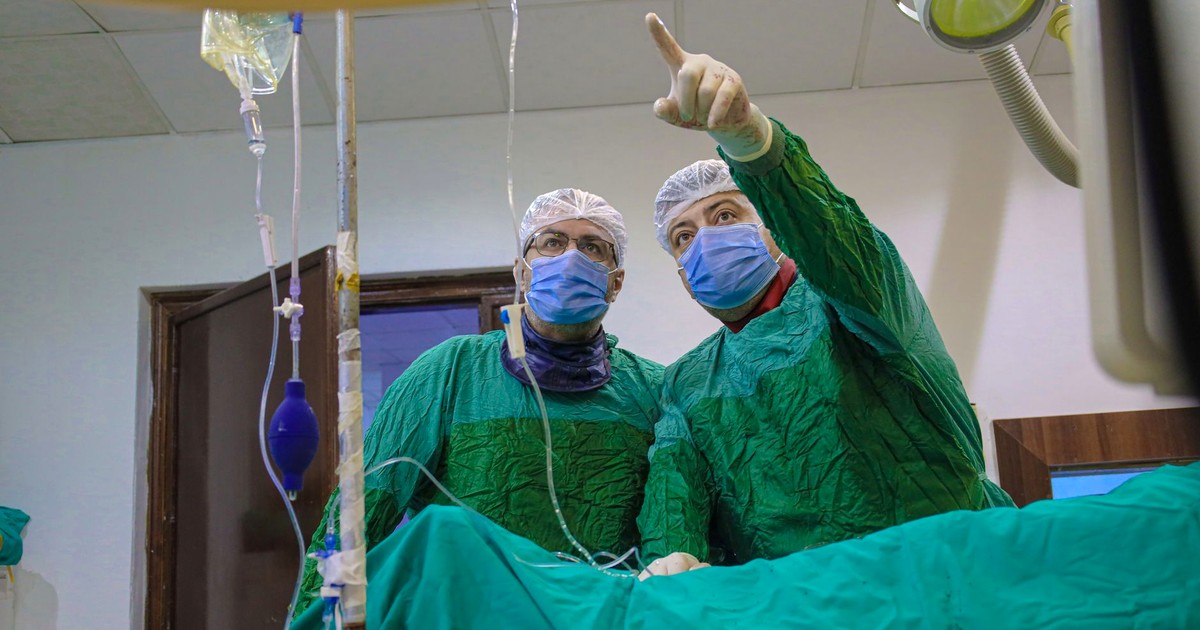
B.Sc in Cardiology is an undergraduate program that trains students in the technical aspects of cardiovascular care, including operating diagnostic equipment and assisting cardiologists. The curriculum covers fundamental medical sciences, specialized cardiac procedures, and patient care protocols, equipping graduates with the skills necessary to work in cardiac catheterization labs, ICUs, and diagnostic centers.
What is the eligibility for B.Sc in Cardiology?
To be eligible for B.Sc in Cardiology, candidates must typically have completed their 10+2 (or equivalent) examination with a science stream, specifically Physics, Chemistry, and Biology (PCB) as core subjects. Most institutions require a minimum aggregate score, usually ranging from 50% to 60% in the qualifying examination.
Some colleges may also consider candidates with Physics, Chemistry, and Mathematics (PCM) if they have a strong interest in the medical field, though PCB is generally preferred. Age criteria usually stipulate a minimum age of 17 years as of December 31st of the admission year. Specific entrance exams may also be required by certain universities or states.
How much does B.Sc in Cardiology cost in India?
The cost of pursuing a B.Sc in Cardiology in India varies significantly depending on the type of institution (government vs. private) and its location. Generally, government colleges offer the program at a much lower fee compared to private institutions.
For government colleges, the annual fees can range from INR 20,000 to INR 80,000. Private colleges, on the other hand, typically charge between INR 80,000 to INR 3,00,000 or more per annum. These figures usually cover tuition fees but may not include hostel charges, examination fees, or other miscellaneous expenses.
B.Sc in Cardiology Fee Structure (Annual Range)
| Institution Type | Annual Fee Range (INR) |
|---|---|
| Government Colleges | 20,000 – 80,000 |
| Private Colleges | 80,000 – 3,00,000+ |
What subjects are covered in the B.Sc in Cardiology Syllabus?
The B.Sc in Cardiology syllabus is structured to provide a strong foundation in medical sciences and specialized training in cardiovascular technology. The curriculum typically includes subjects like Human Anatomy, Physiology, Biochemistry, Pathology, Pharmacology, and specific cardiology topics such as Electrocardiography (ECG), Echocardiography, Cardiac Catheterization, and Cardiac Imaging.
Typical B.Sc in Cardiology Semester-wise Syllabus Overview
| Semester | Core Subjects | Practical/Clinical Focus |
|---|---|---|
| Semester 1 | Human Anatomy, Physiology, Biochemistry, Medical Ethics | Basic Lab Techniques, First Aid |
| Semester 2 | Pathology, Microbiology, Pharmacology, Environmental Science | Clinical Pathology, Sterilization Techniques |
| Semester 3 | Applied Anatomy & Physiology of Cardiovascular System, Basics of ECG, Echocardiography Principles | ECG Recording & Interpretation, Basic Echo Operation |
| Semester 4 | Cardiac Pharmacology, Cardiac Catheterization Principles, Cardiac Imaging Techniques | Cardiac Cath Lab Procedures, Stress Test Assistance |
| Semester 5 | Advanced Echocardiography, Interventional Cardiology, Cardiac Critical Care | Advanced Echo Techniques, ICU Monitoring |
| Semester 6 | Cardiac Electrophysiology, Pacemaker Technology, Research Methodology, Project Work | EP Lab Assistance, Pacemaker Implantation Support |
Is B.Sc in Cardiology worth it for jobs?
Yes, B.Sc in Cardiology is a highly valuable degree for job prospects in the growing healthcare sector, particularly in specialized cardiac care. Graduates are in demand as Cardiac Technologists, Cardiovascular Technicians, and Echocardiography Technicians in hospitals, cardiac clinics, diagnostic centers, and research institutions. The increasing prevalence of cardiovascular diseases ensures a steady need for skilled professionals in this field.
Career Prospects and Average Salary Ranges (Annual)
| Job Role | Average Annual Salary (INR) | Key Responsibilities |
|---|---|---|
| Cardiac Technologist | 2.5 – 5.5 Lakhs | Assisting cardiologists in procedures, operating diagnostic equipment |
| Echocardiography Technician | 2.8 – 6.0 Lakhs | Performing echocardiograms, analyzing cardiac images |
| Cath Lab Technician | 3.0 – 7.0 Lakhs | Assisting in catheterization procedures, monitoring patients |
| Cardiovascular Technician | 2.0 – 5.0 Lakhs | Conducting ECGs, stress tests, Holter monitoring |
Salaries can vary based on experience, location, and the employing institution (e.g., corporate hospitals often offer higher packages).
What are the top colleges for B.Sc in Cardiology in India?
Several reputable institutions across India offer high-quality B.Sc in Cardiology programs. Some of the top colleges include All India Institute of Medical Sciences (AIIMS) in various locations (Delhi, Rishikesh, Jodhpur), Postgraduate Institute of Medical Education and Research (PGIMER) Chandigarh, Christian Medical College (CMC) Vellore, Manipal Academy of Higher Education (MAHE), and various state government medical colleges affiliated with public universities.
When choosing a college, consider factors such as faculty expertise, clinical exposure, infrastructure, placement records, and accreditation.
What is the admission process for B.Sc in Cardiology in 2026?
The admission process for B.Sc in Cardiology in 2026 typically involves several stages: application submission, entrance examination (if applicable), merit list declaration, and counseling/interview rounds. Most colleges base admissions on a combination of 10+2 academic performance and entrance exam scores.
- Application: Students apply online or offline to their chosen institutions, usually between April and June.
- Entrance Exam: Some top institutions conduct their own entrance exams (e.g., AIIMS Paramedical Entrance Exam, NEET for some allied health courses, though not universally for B.Sc Cardiology). State-level common entrance tests may also exist.
- Merit List: Based on 10+2 marks and/or entrance exam scores, a merit list is published.
- Counseling/Interview: Shortlisted candidates are called for counseling, document verification, and sometimes an interview.
Key dates for 2026 admissions will generally follow a similar pattern to previous years, with applications opening in spring and admissions concluding by late summer.
B.Sc in Cardiology vs. B.Sc in Cardiac Technology: Is there a difference?
While often used interchangeably, B.Sc in Cardiology and B.Sc in Cardiac Technology generally refer to the same or very similar undergraduate programs. Both degrees aim to train professionals in assisting cardiologists with diagnostic and interventional procedures related to the heart. The nomenclature might vary slightly between universities or states, but the core curriculum and career outcomes are largely identical, focusing on the technical aspects of cardiovascular care.
What are the pros and cons of pursuing B.Sc in Cardiology?
Pursuing a B.Sc in Cardiology offers several advantages, including high demand for professionals, a specialized skill set, and direct entry into the healthcare sector. However, it also comes with challenges such as a demanding curriculum and potential for high-stress work environments.
Pros:
- High Demand: Constant need for cardiac technologists due to rising heart disease incidence.
- Specialized Field: Offers expertise in a critical and advanced area of medicine.
- Direct Patient Impact: Opportunity to directly contribute to saving lives and improving patient health.
- Good Salary Potential: Competitive salaries, especially with experience and in specialized roles.
- Further Education: Strong foundation for postgraduate studies (M.Sc, PGD) in cardiology or related fields.
Cons:
- Demanding Curriculum: Requires strong dedication to science and medical concepts.
- High-Stress Environment: Work often involves critical situations and long hours.
- Continuous Learning: Need to stay updated with rapidly evolving medical technology and procedures.
- Limited Independent Practice: Roles are typically assistive, working under the supervision of cardiologists.
Explore more on FindMyCollege
Related pages for B.Sc in Cardiology aspirants on findmycollege.com:
Frequently Asked Questions