B.Sc Computer Science after Courses in 2026: Full List, Eligibility, Fees, Scope & Salary
Graduates pursuing B.Sc Computer Science after courses in 2026 can expect starting salaries ranging from ₹4-8 LPA in India, with specialized roles like AI Engineer or Cybersecurity Analyst offering higher potential. Short-term courses, often 6-12 months, provide rapid skill acquisition in high-demand areas like Data Science or Cloud Computing. Choosing the right specialization is key to maximizing career growth and earning potential.
Top Postgraduate & Short-Term Courses for Computer Science Graduates in 2026
Short-term courses and diploma programs are excellent for quickly building practical skills and enhancing career prospects after completing a B.Sc. in Computer Science. These programs offer specialized training in high-demand areas, making them ideal for rapid professional development.
- Data Science & Analytics: 6-12 months; focuses on visualization, machine learning, statistics.
- AI & Machine Learning: 6 months; covers AI modeling, deep learning, neural networks.
- Cybersecurity & Ethical Hacking: 6-9 months; focuses on digital security, vulnerability analysis.
- Cloud Computing: 6 months; covers cloud infrastructure and DevOps tools.
- Full-Stack Web Development: 6-12 months; focuses on front-end and back-end development.
- UI/UX Design: 6 months; focuses on human-centered design principles.
These specialized short-term bsc computer science after courses equip graduates with in-demand skills, leading to roles like Data Analyst, AI Engineer, or Cybersecurity Analyst. Many are 6-12 months, offering quick entry into tech careers.
| Path | Course Examples |
|---|---|
| Master’s Degree Programs | MSc in CS, MTech in AI, MBA IT, MS in Cybersecurity |
| Professional Certifications | AWS, Azure, Cisco Certified Network Associate (CCNA), Google Data Analytics |
| Short-Term Courses | AI/ML, Data Science, Web Development, Cybersecurity, UI/UX Design |
| 1 Year Diploma Programs | Postgraduate Diploma in Data Science, AI, Cloud Computing, or DevOps |
This table summarizes the diverse educational paths available after a BSc Computer Science degree, ranging from master’s programs to professional certifications and short-term courses.
Future Scope & Career Paths in India for Computer Science Graduates 2026
A B.Sc. in Computer Science remains highly relevant in 2026, driven by the rapid growth of AI, Data Science, and Cybersecurity, making India a global IT hub actively hiring skilled graduates. This section explores the future scope, career paths, and opportunities available for those with this degree.
| B.Sc Course | Career Options | Expected Salary (2026) | Industries |
|---|---|---|---|
| B.Sc. Artificial Intelligence and Machine Learning | AI Engineer, ML Developer, Data Analyst | ₹6 – ₹12 LPA | Tech Startups, IT, FinTech, Robotics |
| B.Sc. Cyber Security and Digital Forensics | Cybersecurity Analyst, Forensic Investigator | ₹6 – ₹11 LPA | Cybersecurity Firms, Government, Law Enforcement |
| B.Sc. Data Science | Data Scientist, Business Analyst | ₹6 – ₹12 LPA | Tech, Banking, Consulting, E-commerce |
| B.Sc. Food Nutrition and Dietetics | Dietitian, Food Analyst, Clinical Nutritionist | ₹3 – ₹6 LPA | Healthcare, Wellness, Hospitals, FMCG |
| B.Sc. Microbiology | Microbiologist, Lab Technologist, Biotech Associate | ₹3.5 – ₹7 LPA | Pharmaceuticals, Research Labs, Biotech |
| B.Sc. Clinical Research | Clinical Research Associate, Data Manager | ₹4 – ₹8 LPA | Clinical Trials, Hospitals, Pharma Companies |
| B.Sc. Medical Lab Technician (MLT) | Lab Technologist, Pathology Assistant | ₹2.5 – ₹5.5 LPA | Diagnostics, Hospitals, Laboratories |
| B.Sc. Operation Theatre Technician (OTT) | OT Technician, Surgical Assistant | ₹3 – ₹6 LPA | Hospitals, Nursing Homes, Surgical Centres |
| B.Sc. Physics, Maths, Chemistry, Geology | Research Assistant, Analyst, Teaching, Scientist | ₹3 – ₹7 LPA | Education, Oil & Gas, Research Institutions |
| B.Sc. Economics with Data Science | Data Economist, Policy Analyst, Financial Consultant | ₹5 – ₹10 LPA | Think Tanks, Consulting Firms, Govt, FinTech |
| B.Sc. Economics and Finance | Investment Banker, Economic Analyst | ₹5 – ₹9 LPA | Banks, Financial Institutions, Startups |
| B.Sc. Psychology and Behaviour | Psychologist, HR Analyst, Behavioural Trainer | ₹4 – ₹8 LPA | Mental Health, HR, NGOs, Educational Institutes |
The table illustrates a diverse range of B.Sc specializations beyond just Computer Science, showcasing varied career options and competitive salaries across multiple industries, with tech-related fields generally offering higher earning potential.
M.Sc. Computer Science After a B.Sc. in CS: Detailed Overview
Choosing between an M.Sc. in Computer Science and an MCA after completing your undergraduate computer science degree is a key decision for career advancement. This section provides a detailed comparison of these postgraduate options, highlighting their differences in focus, eligibility, and career paths.
| Criteria | MCA | M.Sc. Computer Science |
|---|---|---|
| Eligibility | BCA/B.Sc./B.Com with Math | B.Sc. in Computer Science or equivalent |
| Focus | Application development | Theory, research, and computing principles |
| Career Track | Software dev, IT, product companies | Research, AI/ML, analytics, academia |
| Coursework | Programming, DBMS, app dev | Algorithms, machine learning, theory |
| Best For | Tech jobs, coding, software roles | Research, PhD, data science, academia |
| Salary Potential (India) | ₹4–8 LPA (entry level) | ₹3.5–7 LPA (entry level, varies by role) |
| Industry Orientation | High | Moderate to High (for specialised fields) |
This comparison table illustrates that while MCA often targets application development and tech jobs, M.Sc. Computer Science is geared towards research, theory, and advanced computing principles, offering distinct career trajectories.
People Also Read



Specialized Programs for Computer Science Graduates: Data Science, AI, Cybersecurity 2026
For those completing a B.Sc. in Computer Science, pursuing specialized fields like Data Science, AI, and Cybersecurity offers promising career paths. These programs, available in 2026, typically range from 6 to 12 months, equipping graduates with in-demand skills for various tech roles.
| Course | Duration (2026) | Focus (2026) | Key Skills (2026) | Career Outcomes (2026) |
|---|---|---|---|---|
| Data Science and Analytics | 6–12 months | Data visualization, machine learning, statistics | Python, R, SQL, Tableau, Power BI | Data Analyst, Business Analyst, Junior Data Scientist |
| Artificial Intelligence and Machine Learning | 6 months | AI modeling, deep learning, neural networks | TensorFlow, Keras, Python | AI Engineer, ML Developer |
| Cybersecurity & Ethical Hacking | 6–9 months | Digital security, vulnerability analysis | CEH tools, penetration testing, risk management | Cybersecurity Analyst, Ethical Hacker |
The table highlights short-term, specialized bsc computer science after courses that provide practical skills and direct career entry into high-demand technology sectors.
- Master’s Degree (AI): MTech in Artificial Intelligence (research-focused and technical)
- Master’s Degree (Data Science/Cybersecurity Abroad): MS Abroad (USA/UK/Canada) often in Data Science or Cybersecurity
- 1-year Diploma Options: Postgraduate Diploma in Data Science, AI
How to Choose the Right Program After Your Computer Science Degree in 2026
Choosing the right course requires a structured approach, starting with identifying your interests and aligning them with career goals. This guide outlines key steps to make an informed decision, ensuring your chosen path enhances capabilities and leads to a satisfying long-term career.
- Step 1: Identify Interests & Align with Career: Evaluate preferences for research (M.Sc/PhD) or industry (MCA/MBA/Data Science).
- Step 2: Research Career Options & Market Demand: Scrutinize placement rates and alumni outcomes beyond just curriculum.
- Step 3: Gain Practical Experience: Do internships and attend seminars; short-term certification stints boost employability.
- Step 4: Seek Guidance & Network: Consult seniors, mentors, and join professional bodies for career advice and opportunities.
- Step 5: Bridge Skill Gaps: Supplement degrees with hands-on projects and portfolio work for specific roles.
- Step 6: Make an Informed Decision: Select a course that enhances capabilities for a long-term, satisfying career.
Top Short-Term Certification Programs for Computer Science Graduates 2026
For those seeking to advance their careers, the 2026 short-term certification programs are set for publication on 12/05/2025. These programs, typically lasting 6 to 12 months, offer specialized skills to meet evolving industry demands, providing excellent opportunities for professional growth.
| Course | Duration | Focus | Key Skills | Outcome |
|---|---|---|---|---|
| Data Science and Analytics | 6–12 months | Data visualization, machine learning, statistics | Python, R, SQL, Tableau, Power BI | Data Analyst, Business Analyst, Junior Data Scientist |
| Artificial Intelligence and Machine Learning | 6 months | AI modeling, deep learning, neural networks | TensorFlow, Keras, Python | AI Engineer, ML Developer |
| Cybersecurity & Ethical Hacking | 6–9 months | Digital security, vulnerability analysis | CEH tools, penetration testing, risk management | Cybersecurity Analyst, Ethical Hacker |
| Cloud Computing | 6 months | Cloud infrastructure & DevOps tools | AWS, Azure, Docker, Kubernetes | Cloud Engineer, DevOps Specialist |
| Full-Stack Web Development | 6–12 months | Front-end & back-end development | HTML, CSS, JavaScript, React, Node.js | Full-Stack Developer |
| UI/UX Design | 6 months | Human-centered design principles | Figma, Adobe XD, wireframing, prototyping | UX Designer, Interaction Designer |
| Blockchain Technology | 6–9 months | Decentralized applications & smart contracts | Solidity, Ethereum, Hyperledger | Blockchain Developer, Web3 Consultant |
| Mobile App Development | 6 months | Android/iOS development | Java, Swift, Flutter | App Developer |
| Digital Marketing for Tech Professionals | 6 months | SEO, SEM, content & performance marketing | Google Ads, Meta Suite, Analytics tools | Digital Marketer, Content Strategist |
| DevOps & Automation | 6 months | CI/CD, system monitoring | Git, Jenkins, Docker, Ansible | DevOps Engineer |
This table highlights diverse short-term courses, typically ranging from 6 to 12 months, equipping BSc Computer Science graduates with specialized skills for high-demand roles. Fields like Data Science and AI/ML offer significant career growth, with data roles alone projected to reach 11.5 million by 2026.
Job Roles & Average Salaries After Postgraduate Computer Science Programs 2026
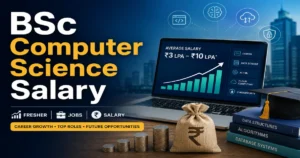
Entry-level salaries for computer science graduates have risen steadily due to growing demand. Graduates in India can expect an average starting salary of ₹20,000–₹40,000 per month. This data on jobs was updated on Feb 11, 2026, with salary data updated on May 19, 2026.
| Job Roles | Average Salary Range[lakhs per annum] |
|---|---|
| Information Systems Manager | ₹3.2 LPA to ₹38 LPA |
| Mobile App Developer | ₹3.7 LPA to ₹15.2 LPA |
| Enterprise Architect | ₹20.4 LPA to ₹75 LPA |
| IT Security Specialist | ₹5.8 LPA to ₹29 LPA |
| Data Analyst | ₹4.8 LPA to ₹15 LPA |
| Web Administrator | ₹3 LPA to ₹10 LPA |
| Database Administrator | ₹4.8 LPA to ₹24 LPA |
| Software Engineer | ₹2.8 LPA to ₹16 LPA |
| Machine Learning Engineer | ₹3 LPA to ₹22 LPA |
| Business Analyst | ₹3 LPA to ₹17 LPA |
| IT Consultant | ₹2.5 LPA to ₹20 LPA |
| Web Designer | ₹6 LPA to ₹12 LPA |
This table highlights a diverse range of job roles available after a BSc Computer Science degree, with Enterprise Architect offering the highest potential salary range.
| Experience Level | Average Monthly Salary | Average Annual Package |
|---|---|---|
| Fresher (0 to 1 Year) | ₹25,000 to ₹45,000 | ₹3.0 LPA to ₹5.4 LPA |
| Mid-Level (2 to 5 Years) | ₹55,000 to ₹1,10,000 | ₹6.6 LPA to ₹13.2 LPA |
| Senior Level (5+ Years) | ₹1,25,000 to ₹2,50,000 | ₹15.0 LPA to ₹30.0 LPA |
Salaries for BSc Computer Science graduates in India show significant growth with experience, with senior-level professionals earning substantially more annually.
| Job Role | Salary | Skills |
|---|---|---|
| Software Engineer | ₹5 LPA to ₹14 LPA | DSA, OOPs |
| Data Scientist | ₹7 LPA to ₹18 LPA | Statistics, ML |
| Information Systems Manager | ₹8 LPA to ₹20 LPA | Management, Security |
| Mobile App Developer | ₹4.5 LPA to ₹12 LPA | Flutter, Swift, Kotlin |
| Front-End Developer | ₹4 LPA to ₹10 LPA | JavaScript, UI/UX |
| Enterprise Architect | ₹15 LPA to ₹35 LPA | Cloud, System Design |
| IT Security Specialist | ₹6 LPA to ₹16 LPA | Ethical Hacking, Firewalls |
| Data Analyst | ₹4 LPA to ₹11 LPA | SQL, Power BI |
| Full-Stack Developer | ₹6 LPA to ₹15 LPA | MERN/MEAN stack |
| Machine Learning Engineer | ₹8 LPA to ₹22 LPA | Python, Deep Learning |
This list details top career options, emphasizing the specific skills required for each role, such as DSA for Software Engineers and ML for Data Scientists.
| Specialised Skill | Entry Level Salary (Approx) | Mid-Level Salary (Approx) |
|---|---|---|
| Artificial Intelligence (AI) | ₹8.5 LPA | ₹18 LPA |
| Cloud Computing (AWS/Azure) | ₹7 LPA | ₹15 LPA |
| Cybersecurity | ₹6.5 LPA | ₹14 LPA |
| Full Stack Development | ₹6 LPA | ₹13 LPA |
| Big Data Analytics | ₹7.5 LPA | ₹16 LPA |
Specialized skills significantly boost earning potential, with AI and Big Data Analytics commanding higher entry-level and mid-level salaries for those pursuing BSc Computer Science after courses.
Frequently Asked Questions
What are the most in-demand specializations for B.Sc Computer Science graduates to pursue further courses in 2026?
In 2026, specializations like Artificial Intelligence & Machine Learning, Cybersecurity, Data Science, and Cloud Computing are highly sought after, offering robust career growth and competitive salaries.
What kind of salary can a B.Sc Computer Science graduate expect after completing a relevant postgraduate course in 2026?
After a relevant postgraduate course, a B.Sc Computer Science graduate in India can expect an average starting salary ranging from ₹6 LPA to ₹12 LPA, depending on the specialization, company, and city.
Are there any specific certifications that complement B.Sc Computer Science degrees and enhance career prospects in 2026?
Yes, certifications from vendors like AWS, Microsoft Azure, Google Cloud, CompTIA Security+, and various data science platforms significantly boost employability and demonstrate specialized skills to potential employers.
What are the typical fees for advanced courses or postgraduate programs after a B.Sc Computer Science in 2026?
Fees for advanced courses or postgraduate programs can vary widely, typically ranging from ₹1 Lakh to ₹5 Lakhs per annum for private institutions, while government institutions might have lower fees.
Beyond traditional IT roles, what emerging career scopes will be available for B.Sc Computer Science graduates with further education in 2026?
Emerging career scopes include roles in AI Ethics, Quantum Computing research, Blockchain development, IoT solutions architecture, and specialized roles in FinTech or HealthTech, requiring interdisciplinary knowledge.
Related Reading
What foundational knowledge and skills does a B.Sc. Computer Science program provide?
A B.Sc. in Computer Science builds a foundation in programming, algorithms, databases, operating systems, and networking. It also covers modern technologies such as AI, cloud computing, and cybersecurity, dealing with the theoretical aspects of software.
Where can I find detailed information about B.Sc. Computer Science courses, fees, and admission for 2026?
You can check details about B.Sc. Computer Science, including top colleges, course fees, syllabus, and eligibility. Information on the admission process and career scope in India is also available.
What is the future scope of B.Sc. Computer Science in India, and what in-demand skills are covered?
The future scope includes career paths in software development, AI, cybersecurity, and data science. Programs are designed to help students master in-demand skills and get career-ready for the future of tech, including areas like Web Development.