
Bachelor of Visual Communication (B.Voc) India 2026 Overview
Nishit Kumar is a senior EdTech industry leader with over a decade of experience in building and scaling education platforms, shaping their product, content, and growth strategy. At…
Latest update: Bachelor of Visual Communication 2026 admissions & dates updated. Read more ›
Welcome to the comprehensive overview of the Bachelor of Visual Communication (B.Voc in Visual Communication) program in India for the academic year 2026. This page is designed to provide prospective students and parents with a deep understanding of this dynamic undergraduate degree, covering everything from its core definition to career outcomes and financial considerations. Visual Communication is a rapidly evolving field, crucial in today’s visually-driven world, and a B.Voc degree offers a practical, industry-focused pathway into it.
What is Bachelor of Visual Communication (B.Voc VisCom)?
The Bachelor of Visual Communication (B.Voc VisCom) is an undergraduate degree program that focuses on the art and science of conveying ideas and information through visual elements. Unlike traditional B.A. or B.Sc. degrees, the B.Voc program is skill-oriented and industry-integrated, designed to equip students with practical competencies directly applicable to various visual media industries.
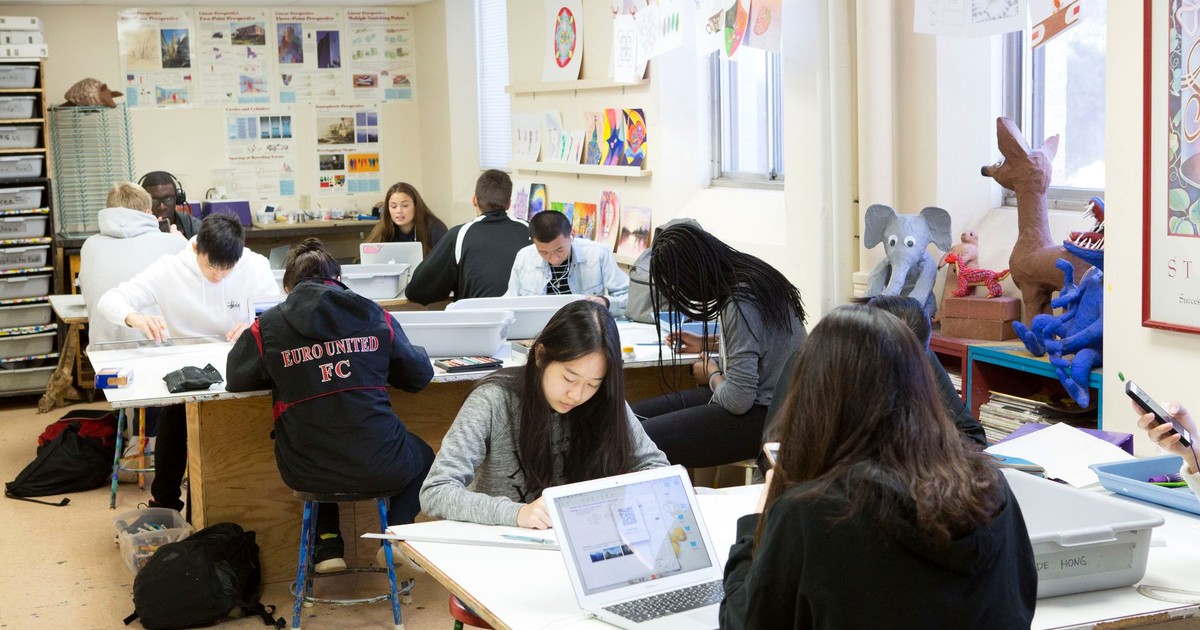
This program typically combines theoretical knowledge with extensive practical training in areas such as graphic design, web design, animation, photography, videography, advertising, and multimedia production. The curriculum is often developed in collaboration with industry partners, ensuring its relevance to current market demands.
What is the eligibility for Bachelor of Visual Communication in 2026?
To be eligible for the Bachelor of Visual Communication program in 2026, candidates must generally have completed their 10+2 (or equivalent) examination from a recognized board, with a minimum aggregate percentage, typically ranging from 45% to 50%. While specific subject requirements can vary, many institutions prefer candidates from any stream (Science, Commerce, Arts) who demonstrate an aptitude for creativity and visual arts.
Detailed Eligibility Criteria for B.Voc VisCom 2026
- Educational Qualification: Successful completion of 10+2 or an equivalent examination from a recognized Indian or international board.
- Minimum Marks: A minimum aggregate score, usually between 45% and 50%, in the qualifying examination. Some premier institutions might require higher percentages.
- Age Limit: Generally, there is no upper age limit for admission, but some colleges might have specific criteria.
- Entrance Exams: Many colleges, especially private ones, conduct their own entrance exams, often followed by a personal interview or portfolio review, to assess creativity and aptitude.
How much does Bachelor of Visual Communication cost in India (2026 Fees)?
The cost of pursuing a Bachelor of Visual Communication in India for 2026 varies significantly based on the type of institution (government vs. private), its reputation, location, and the facilities offered. Generally, government colleges offer more affordable fees, while private institutions, especially those with state-of-the-art infrastructure and industry tie-ups, tend to have higher fee structures.
B.Voc Visual Communication Fee Ranges (Annual, 2026 Estimates)
| Institution Type | Annual Fee Range (INR) |
|---|---|
| Government/Public Universities | ₹15,000 – ₹60,000 |
| Private Colleges/Universities | ₹70,000 – ₹3,00,000+ |
| Deemed Universities/Specialized Design Schools | ₹1,50,000 – ₹4,50,000+ |
These figures are estimates and can fluctuate. Additional costs may include hostel fees, study materials, project expenses, and examination fees.
What are the specialisations and subjects in B.Voc Visual Communication?
The Bachelor of Visual Communication program offers a diverse range of specialisations, allowing students to focus on specific areas of interest within the broader field. The curriculum is designed to be practical, incorporating both foundational visual arts principles and advanced digital tools.
Common Specialisations
- Graphic Design: Focuses on creating visual concepts using computer software or by hand, to communicate ideas that inspire, inform, or captivate consumers.
- Web Design & Development: Involves designing and developing user interfaces and experiences for websites and web applications.
- Animation & Multimedia: Covers 2D and 3D animation, visual effects, motion graphics, and interactive media.
- Photography & Videography: Deals with the art and technique of capturing images and creating video content for various purposes.
- Advertising & Branding: Focuses on visual strategies for marketing, brand identity, and campaign design.
- UI/UX Design: Specialises in designing user-friendly and aesthetically pleasing interfaces and experiences for digital products.
Typical Subjects Covered (Semester-wise Example)
| Semester 1 & 2 | Semester 3 & 4 | Semester 5 & 6 |
|---|---|---|
| Elements of Design | Typography | Advanced Graphic Design |
| Drawing & Illustration | Digital Photography | Web Design & Development |
| History of Art & Design | Introduction to Animation | Motion Graphics |
| Computer Graphics Basics | Visual Merchandising | UI/UX Principles |
| Communication Skills | Advertising & PR | Portfolio Development |
| Media Ethics & Law | Video Production | Industry Internship/Project |
Is Bachelor of Visual Communication worth it for jobs? What are the career prospects?
Yes, a Bachelor of Visual Communication is highly worth it for jobs, especially for students seeking practical, industry-relevant skills and direct entry into the creative and media industries. The program’s vocational focus ensures graduates are equipped with a strong portfolio and hands-on experience, making them readily employable in a wide array of roles.
Career Prospects and Job Roles
Graduates of B.Voc Visual Communication can find employment in advertising agencies, media houses, IT companies, design studios, e-commerce firms, production houses, and even as independent freelancers. The demand for skilled visual communicators is consistently high across various sectors.
- Graphic Designer: Creating logos, brochures, websites, advertisements, and other visual materials.
- Web Designer: Designing user interfaces and experiences for websites and web applications.
- Animator: Producing 2D and 3D animations for films, games, and advertisements.
- Illustrator: Creating original artwork for books, magazines, digital media, and products.
- Photographer/Videographer: Capturing and editing images and videos for various purposes.
- UI/UX Designer: Focusing on user interface and user experience design for digital products.
- Art Director: Overseeing the visual style and images for magazines, product packaging, and movie and television productions.
- Content Creator: Developing visual content for social media, blogs, and marketing campaigns.
- Brand Identity Designer: Developing visual elements that represent a brand’s identity.
Average Salary Expectations for B.Voc VisCom Graduates (Entry-Level, Annual)
| Job Role | Average Annual Salary Range (INR) |
|---|---|
| Junior Graphic Designer | ₹2,00,000 – ₹4,00,000 |
| Web Designer | ₹2,50,000 – ₹4,50,000 |
| Animator (2D/3D) | ₹2,80,000 – ₹5,00,000 |
| UI/UX Designer | ₹3,00,000 – ₹6,00,000 |
| Photographer/Videographer | ₹1,80,000 – ₹3,50,000 |
Salaries can increase significantly with experience, advanced skills, and a strong portfolio. Freelancing also offers substantial earning potential.
How does B.Voc Visual Communication compare to B.A. Visual Communication or B.Sc. Visual Communication?
While all three degrees relate to visual communication, the B.Voc in Visual Communication is distinctly more practical and industry-focused, emphasizing vocational skills and direct employability. B.A. and B.Sc. programs tend to be more theoretical or science-oriented, respectively.
Comparison Matrix: B.Voc vs. B.A. vs. B.Sc. Visual Communication
| Feature | B.Voc Visual Communication | B.A. Visual Communication | B.Sc. Visual Communication |
|---|---|---|---|
| Focus | Vocational, Skill-based, Industry-integrated | Theoretical, Humanities-oriented, Conceptual | Technical, Science-based, Software-focused |
| Curriculum | High practical component, internships, hands-on projects | More theory, media studies, communication theories, art history | Emphasis on technology, programming, digital tools, media science |
| Employability | High, direct entry into specific job roles, strong portfolio | Good, often requires further specialization or practical training | Good, strong in technical roles, often leads to IT/tech design roles |
| Ideal For | Students seeking immediate job readiness, practical skills | Students interested in media theory, criticism, creative arts | Students interested in the technical aspects, software development, media technology |
| Duration | 3 Years (typically) | 3 Years (typically) | 3 Years (typically) |
What are the admission process and key dates for 2026?
The admission process for Bachelor of Visual Communication programs in 2026 typically involves applying online, appearing for an entrance examination (if applicable), and sometimes a personal interview or portfolio review. Key dates vary by institution but generally follow a similar timeline.
General Admission Process
- Application: Fill out the online application form on the college’s official website.
- Entrance Exam: Appear for the college-specific entrance exam (e.g., design aptitude tests, general knowledge, English proficiency).
- Portfolio/Interview: Some institutions require a portfolio showcasing creative work or a personal interview to assess aptitude and communication skills.
- Merit List & Counseling: Based on exam scores and interview performance, a merit list is published, followed by counseling for seat allocation.
- Document Verification & Fee Payment: Final admission upon verification of documents and payment of the first installment of fees.
Estimated Key Dates for B.Voc VisCom Admissions 2026
- Application Period: March – June 2026
- Entrance Exams: May – July 2026
- Results & Interviews: June – July 2026
- Counseling & Admissions: July – August 2026
- Classes Commence: August – September 2026
It is crucial to check the specific admission timelines and requirements for each desired institution, as these dates are indicative and can vary.
Frequently Asked Questions
Is a portfolio required for B.Voc Visual Communication admissions?
While not universally mandatory, many reputable colleges and design institutes strongly recommend or even require a portfolio. A portfolio allows applicants to showcase their creative abilities, drawing skills, and any previous design-related work, significantly enhancing their application.
Can I pursue higher studies after B.Voc Visual Communication?
Yes, after completing a B.Voc in Visual Communication, you can pursue various postgraduate degrees such as an M.Voc (Master of Vocation), M.A. in Visual Communication, M.Des (Master of Design), or MBA in Media Management. This allows for further specialization or career advancement.
Are internships a part of the B.Voc Visual Communication curriculum?
Yes, internships are a fundamental and often mandatory component of the B.Voc Visual Communication curriculum. The vocational nature of the degree emphasizes practical exposure, and internships provide invaluable real-world experience, industry networking opportunities, and a chance to apply learned skills.
What are the essential skills for a B.Voc Visual Communication student?
Essential skills include creativity, strong visual aesthetics, proficiency in design software (e.g., Adobe Creative Suite), communication skills, attention to detail, problem-solving abilities, and an understanding of current design trends and technologies.
Which are some top colleges for B.Voc Visual Communication in India?
Some prominent institutions offering B.Voc or similar Visual Communication programs include Delhi University (various colleges), Savitribai Phule Pune University, Amity University, Lovely Professional University, NIFT (National Institute of Fashion Technology – for design-related B.Voc), and various private design academies. It’s advisable to research specific colleges based on their curriculum, faculty, and placement records.
Is B.Voc Visual Communication suitable for someone without prior art experience?
Yes, B.Voc Visual Communication can be suitable even for students without extensive prior art experience, provided they possess a strong interest in visual arts, creativity, and a willingness to learn. The foundational years of the program often cover basic art and design principles, building skills from the ground up. An aptitude test or interview might assess raw potential rather than polished skills.