Bachelor of Visual Communication (Distance/Online) India 2026
Nishit Kumar is a senior EdTech industry leader with over a decade of experience in building and scaling education platforms, shaping their product, content, and growth strategy. At…
Latest update: Bachelor of Visual Communication 2026 admissions & dates updated. Read more ›
Considering a career in the dynamic world of design and media? The Bachelor of Visual Communication (BVC) Distance / Online program in India offers a flexible pathway to achieve your goals without the constraints of traditional on-campus learning. This comprehensive guide provides prospective students and parents with all the essential information for 2026, covering everything from eligibility and fees to career opportunities and program comparisons.
What is Bachelor of Visual Communication (BVC) Distance / Online?
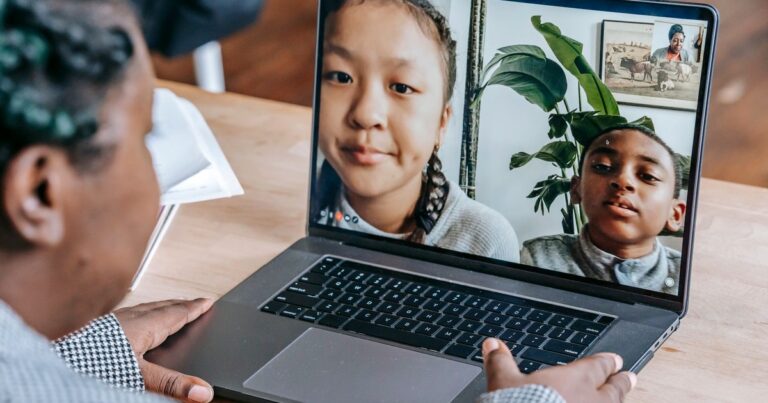
The Bachelor of Visual Communication (BVC) Distance / Online is an undergraduate degree program that focuses on the principles and practices of visual design, communication, and media. Unlike traditional on-campus courses, the distance or online format allows students to pursue their education remotely, offering flexibility in terms of schedule and location, making it ideal for working professionals or those with other commitments.
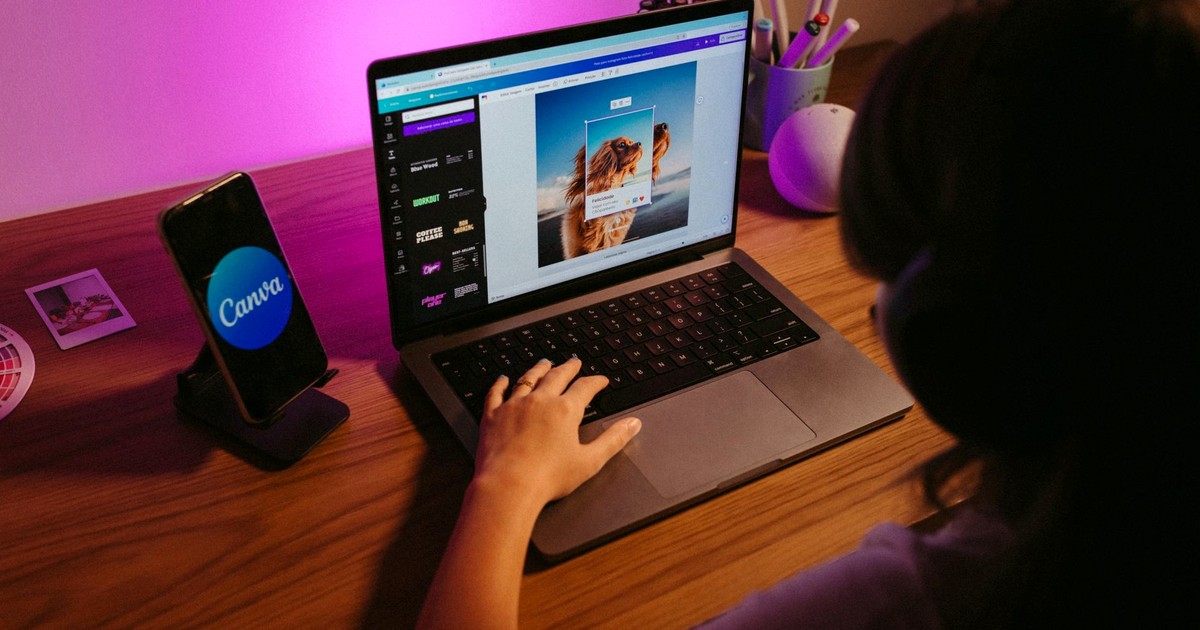
This program typically covers a broad spectrum of subjects including graphic design, web design, animation, photography, videography, advertising, and multimedia production. The curriculum is designed to equip students with both theoretical knowledge and practical skills essential for a successful career in the visual communication industry. Online learning platforms often incorporate interactive modules, virtual labs, discussion forums, and remote project submissions to facilitate a comprehensive learning experience.
What is the eligibility for Bachelor of Visual Communication Distance / Online in India?
To be eligible for a Bachelor of Visual Communication Distance / Online program in India, candidates generally need to have completed their 10+2 (or equivalent) examination from a recognized board. Specific colleges may have additional criteria regarding minimum percentage or subject combinations.
- Educational Qualification: Successful completion of 10+2 (Higher Secondary Examination) from a recognized Indian board or an equivalent international qualification.
- Minimum Marks: Most institutions require a minimum aggregate score, typically ranging from 45% to 50% in the 10+2 examination. Some premium institutions might have higher cut-offs.
- Age Limit: Generally, there is no upper age limit for distance or online BVC programs, making them accessible to a wide range of learners.
- Entrance Exams: While many distance/online programs do not require a specific entrance exam, some universities might conduct their own aptitude tests or consider scores from national-level design entrance exams (though less common for purely distance programs).
How much does Bachelor of Visual Communication Distance / Online cost in India?
The cost of a Bachelor of Visual Communication Distance / Online program in India varies significantly based on the institution, its accreditation, and the program’s duration and features. Generally, distance learning is more affordable than on-campus programs.
Fees for BVC Distance / Online programs can range from INR 30,000 to INR 1,50,000 per year. Government-affiliated or open universities typically offer more economical options, while private institutions with advanced learning platforms and extensive support services might charge higher fees. It’s crucial to check the detailed fee structure, which often includes tuition, examination fees, and study material costs, directly from the university’s official website.
Estimated Annual Fee Ranges for BVC Distance / Online (2026)
| Institution Type | Annual Fee Range (INR) | Key Considerations |
|---|---|---|
| Government/Open Universities | 30,000 – 70,000 | More affordable, recognized degrees, often self-paced. |
| Private Universities/Institutes | 60,000 – 1,50,000 | Potentially better tech infrastructure, industry tie-ups, more interactive. |
What is the syllabus for Bachelor of Visual Communication Distance / Online?
The syllabus for a Bachelor of Visual Communication Distance / Online program is designed to provide a comprehensive understanding of visual design principles and applications. While specific subjects may vary by institution, the core curriculum typically covers foundational art, design software, communication theories, and practical project work.
Common subjects across the semesters include:
- Foundational Subjects: Elements of Design, Principles of Visual Communication, History of Art & Design, Drawing & Sketching.
- Software & Tools: Adobe Photoshop, Illustrator, InDesign, CorelDRAW, Video Editing Software (e.g., Premiere Pro), 3D Animation Software (e.g., Blender).
- Core Design Areas: Graphic Design, Web Design, UI/UX Principles, Photography, Videography, Typography, Advertising & Branding.
- Communication & Media: Media Ethics, Communication Theories, Digital Marketing Basics, Content Creation.
- Practical & Project Work: Portfolio Development, Capstone Projects, Industry-relevant Assignments.
Typical BVC Distance / Online Semester-wise Subjects (Illustrative)
| Semester | Core Subjects | Practical/Software Focus |
|---|---|---|
| 1 | Elements of Design, History of Art, Communication Skills | Basic Drawing, Photoshop Fundamentals |
| 2 | Principles of Visual Communication, Typography, Media Studies | Illustrator Basics, Digital Photography |
| 3 | Graphic Design Principles, Advertising & Branding, Web Design Basics | InDesign, CorelDRAW, HTML/CSS |
| 4 | UI/UX Design, Videography, Digital Marketing | Premiere Pro, After Effects, Web Layout Tools |
| 5 | Animation Principles, Multimedia Production, Portfolio Development | 3D Software Basics, Advanced Photoshop/Illustrator |
| 6 | Design Management, Media Laws & Ethics, Capstone Project | Advanced Project Work, Professional Portfolio |
Is Bachelor of Visual Communication Distance / Online worth it for jobs in India?
Yes, a Bachelor of Visual Communication Distance / Online degree can be highly valuable for securing jobs in India, especially if complemented by a strong portfolio and practical skills. The demand for visual communication professionals is consistently growing across various industries.
Employers increasingly prioritize skills and portfolio over the mode of education, particularly in creative fields. A well-curated portfolio showcasing diverse projects, proficiency in industry-standard software, and a solid understanding of design principles gained through a distance/online BVC program can open doors to numerous opportunities. Networking, internships (even remote ones), and continuous skill development are crucial for maximizing career prospects.
What are the career prospects and salary expectations after BVC Distance / Online?
Graduates of a BVC Distance / Online program have diverse career prospects in the rapidly expanding creative and digital industries. Roles span across graphic design, web design, animation, advertising, media, and more.
Entry-level salaries for BVC graduates in India typically range from INR 2.5 LPA to INR 4.5 LPA, depending on the role, company, location, and individual skill set. With experience and a strong portfolio, salaries can significantly increase, with mid-level professionals earning INR 5 LPA to INR 10 LPA, and senior roles or specialized positions commanding even higher packages.
Common Job Roles and Estimated Annual Salaries (Entry-Level to Mid-Level)
| Job Role | Description | Annual Salary Range (INR) |
|---|---|---|
| Graphic Designer | Creating visual concepts for logos, websites, advertisements, brochures. | 2.5 – 6.0 Lakhs |
| Web Designer | Designing user interfaces and experiences for websites and web applications. | 3.0 – 7.0 Lakhs |
| UI/UX Designer | Focusing on user interface and user experience design for digital products. | 3.5 – 8.0 Lakhs |
| Animator | Creating motion graphics, 2D/3D animations for various media. | 2.8 – 6.5 Lakhs |
| Video Editor | Editing raw footage into polished videos for films, ads, social media. | 2.5 – 5.5 Lakhs |
| Digital Marketing Executive | Creating visual content for social media, email campaigns, online ads. | 2.5 – 5.0 Lakhs |
| Illustrator | Creating original artwork for books, magazines, digital platforms. | 2.0 – 5.0 Lakhs |
What are the pros and cons of Bachelor of Visual Communication Distance / Online?
Choosing a Distance / Online BVC program comes with distinct advantages and disadvantages that prospective students should carefully consider.
Pros:
- Flexibility: Study at your own pace, from anywhere, making it ideal for working professionals, homemakers, or those in remote areas.
- Affordability: Generally lower tuition fees compared to on-campus programs, plus savings on commuting and living expenses.
- Accessibility: Opens up opportunities for students who cannot relocate for education due to various constraints.
- Self-Discipline & Time Management: Fosters essential skills highly valued by employers.
- Diverse Learning Resources: Access to a wide range of digital learning materials, online libraries, and virtual tools.
Cons:
- Lack of Direct Interaction: Limited face-to-face interaction with peers and faculty, which can impact networking and collaborative learning.
- Self-Motivation Required: Requires a high degree of self-discipline and motivation to stay on track without constant supervision.
- Practical Experience: May offer fewer opportunities for hands-on studio work or access to specialized equipment compared to traditional campuses.
- Networking Challenges: Building professional networks can be harder in an online environment.
- Technology Dependence: Requires reliable internet access and basic computer literacy.
How to choose the best BVC Distance / Online program in India?
Selecting the right BVC Distance / Online program requires careful research and consideration of several factors to ensure it aligns with your career goals and learning style.
- Accreditation & Recognition: Ensure the university and program are recognized by UGC-DEB (University Grants Commission – Distance Education Bureau) or other relevant statutory bodies in India.
- Curriculum & Specializations: Review the syllabus to ensure it covers the areas of visual communication you are most interested in (e.g., graphic design, animation, UI/UX).
- Faculty Expertise: Research the faculty’s experience and industry background, as this can significantly impact the quality of instruction.
- Learning Platform & Support: Evaluate the online learning management system (LMS), technical support, and student services offered.
- Practical Components & Portfolio: Check how practical skills are developed and if there are opportunities for project work, portfolio building, or virtual internships.
- Alumni Network & Career Services: Investigate the institution’s track record in career placement and the strength of its alumni network.
- Fees & Financial Aid: Compare tuition fees, payment plans, and any available scholarships or financial assistance.
- Reviews & Reputation: Look for student testimonials, online reviews, and rankings to gauge the program’s reputation.
Explore more on FindMyCollege
Related pages for Bachelor of Visual Communication aspirants on findmycollege.com:
Frequently Asked Questions