DOTT vs DMLT & DRIT (2026): Which is Better?
Nishit Kumar is a senior EdTech industry leader with over a decade of experience in building and scaling education platforms, shaping their product, content, and growth strategy. At…
Latest update: Diploma in Operation Theatre Technology 2026 admissions & dates updated. Read more ›
Diploma in Operation Theatre Technology vs Diploma in Medical Laboratory Technology vs Diploma in Radiography and Imaging Technology: Quick Comparison (2026)
| Course | Duration | Eligibility | Avg Fees (range) | Top Careers | Avg Starting Salary | Best For |
|---|---|---|---|---|---|---|
| Diploma in Operation Theatre Technology (DOTT) | 2-3 Years | 10+2 with PCB/PCM (min 40-50%) | ₹30,000 – ₹1,50,000 per year | OT Technician, Surgical Assistant, Anaesthesia Technician | ₹2.0 – ₹4.0 LPA | Students interested in direct patient care during surgeries and assisting surgeons/anaesthetists. |
| Diploma in Medical Laboratory Technology (DMLT) | 2 Years | 10+2 with PCB/PCM (min 40-50%) | ₹20,000 – ₹1,00,000 per year | Lab Technician, Phlebotomist, Lab Assistant | ₹1.8 – ₹3.5 LPA | Students interested in diagnostic testing, analyzing samples, and working in a laboratory setting. |
| Diploma in Radiography and Imaging Technology (DRIT) | 2-3 Years | 10+2 with PCB/PCM (min 40-50%) | ₹40,000 – ₹2,00,000 per year | Radiographer, X-ray Technician, CT/MRI Technician | ₹2.2 – ₹4.5 LPA | Students interested in operating imaging equipment (X-ray, MRI, CT scan) for diagnostic purposes. |
Diploma in Operation Theatre Technology vs Diploma in Medical Laboratory Technology
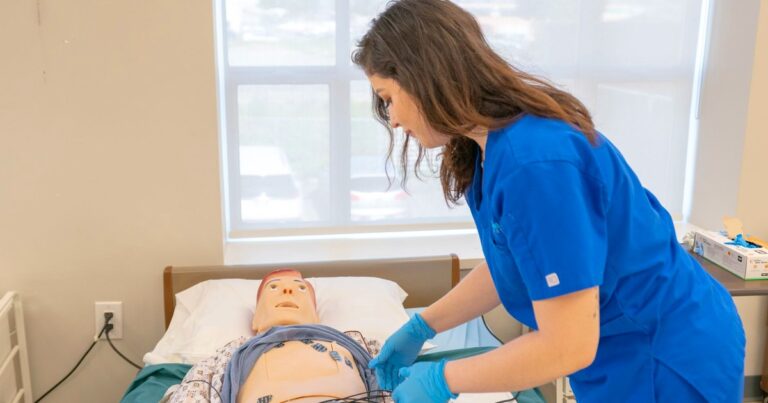
Diploma in Operation Theatre Technology (DOTT) focuses on the direct support of surgical procedures, preparing the operating room, assisting surgeons and anaesthetists, and managing surgical instruments. In contrast, Diploma in Medical Laboratory Technology (DMLT) is centered on the analysis of bodily fluids and tissues to diagnose diseases, working primarily in a laboratory setting. DOTT offers a more hands-on, fast-paced clinical environment, while DMLT requires meticulous attention to detail in diagnostic testing. DOTT is ideal for those who thrive in high-pressure, direct patient care scenarios during surgery, whereas DMLT suits individuals with an interest in scientific analysis and diagnostics.
Diploma in Operation Theatre Technology vs Diploma in Radiography and Imaging Technology
Diploma in Operation Theatre Technology (DOTT) prepares students for roles within the operating room, focusing on pre-operative, intra-operative, and post-operative patient care and equipment management. Diploma in Radiography and Imaging Technology (DRIT), on the other hand, trains professionals to operate various medical imaging equipment like X-ray, CT scans, and MRIs to create diagnostic images. While both are patient-facing, DOTT involves direct assistance in surgical procedures, whereas DRIT involves positioning patients and operating machinery for diagnostic imaging. DOTT is best for those who want to be an integral part of surgical teams, while DRIT is suited for individuals interested in medical technology and diagnostic imaging.
Which one should you choose?
If you are passionate about directly assisting surgeons and anaesthetists during live surgical procedures, managing the sterile environment of an operating room, and working in a dynamic, high-stakes environment, the Diploma in Operation Theatre Technology (DOTT) is your best fit. If your interest lies in the scientific analysis of patient samples to aid in disease diagnosis, working meticulously in a laboratory, and contributing to healthcare from a diagnostic perspective, then the Diploma in Medical Laboratory Technology (DMLT) would be more suitable. Alternatively, if you are fascinated by medical imaging technology, operating sophisticated equipment like X-ray, CT, and MRI machines to produce diagnostic images, and prefer a role focused on non-invasive diagnostics, the Diploma in Radiography and Imaging Technology (DRIT) is the ideal choice. Consider your comfort with direct patient contact, technical aptitude, and preferred work environment when making your decision.
Explore more on FindMyCollege
Related pages for Diploma in Operation Theatre Technology aspirants on findmycollege.com:
Frequently Asked Questions
Which diploma is easier to pursue?
The difficulty level is subjective and depends on individual aptitude. DMLT might be perceived as less physically demanding than DOTT or DRIT, which involve more direct patient handling and operating complex machinery. However, DMLT requires strong analytical skills and attention to detail in laboratory procedures.
Which paramedical diploma offers higher salary prospects?
Generally, Diploma in Radiography and Imaging Technology (DRIT) often has slightly higher starting salary prospects due to the specialized nature of operating expensive imaging equipment. However, DOTT professionals with experience in super-specialty hospitals can also command competitive salaries, especially with advanced certifications.
Which course has better scope for government jobs?
All three diplomas have good scope for government jobs in hospitals, clinics, and diagnostic centers across India. DMLT often has a high number of vacancies in government labs, while DOTT and DRIT roles are consistently needed in government hospitals and medical colleges.
Can I pursue a Bachelor’s degree after completing these diplomas?
Yes, after completing any of these diplomas, you can typically pursue a Bachelor’s degree in a related field, often through lateral entry schemes (e.g., B.Sc. in OTT, B.Sc. MLT, B.Sc. Radiography). This allows for further specialization and career advancement.
Which diploma is more patient-facing?
Diploma in Operation Theatre Technology (DOTT) involves the most direct and intimate patient contact, especially during critical surgical moments. DRIT also involves direct patient interaction for positioning and explaining procedures, while DMLT is less patient-facing, focusing more on samples.
Is there a demand for these paramedical professionals in India?
Yes, there is a consistently high demand for skilled paramedical professionals in all these fields across India, driven by the expanding healthcare sector, increasing number of hospitals, and growing diagnostic needs. All three offer stable career paths.
Which course is better for working abroad?
All three paramedical diplomas can open doors for working abroad, especially in countries with high demand for healthcare professionals. However, specific licensing and certification requirements will vary significantly by country. Radiography (DRIT) and Lab Technology (DMLT) often have well-defined international pathways.
Can I switch between these specializations later?
Switching directly between these specializations is generally not possible without undertaking a new diploma or degree, as the core skills and knowledge bases are distinct. However, some foundational science knowledge might overlap, making further education slightly easier.