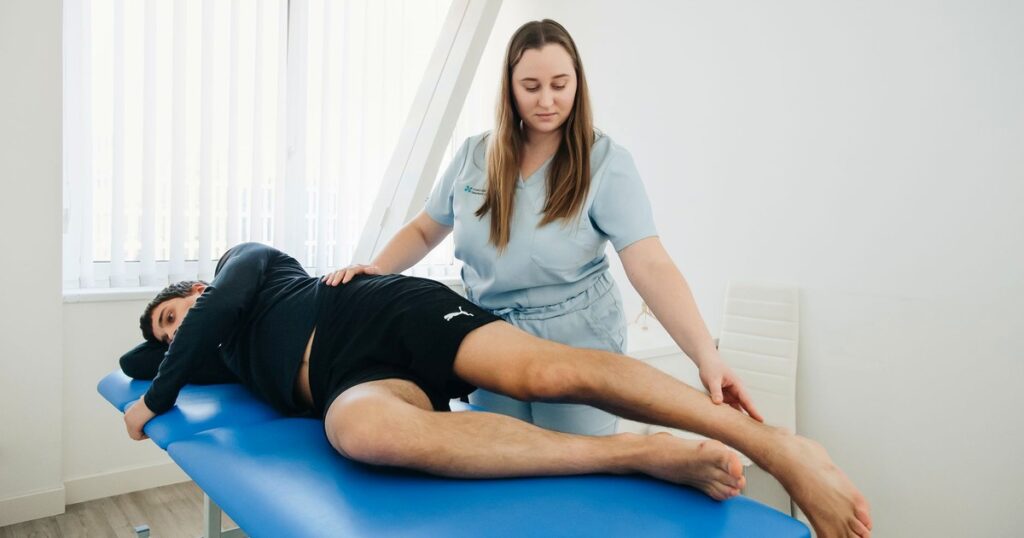
Diploma in Physiotherapy Distance/Online India 2026
Nishit Kumar is a senior EdTech industry leader with over a decade of experience in building and scaling education platforms, shaping their product, content, and growth strategy. At…
Latest update: Diploma in Physiotherapy 2026 admissions & dates updated. Read more ›
Pursuing a Diploma in Physiotherapy (DPT) through distance or online learning in India for 2026 offers a flexible pathway for aspiring medical professionals. This comprehensive guide covers everything you need to know about this program, from eligibility and fees to career opportunities and comparisons with traditional courses.
What is a Diploma in Physiotherapy (DPT) Distance/Online?
A Diploma in Physiotherapy (DPT) Distance/Online is a vocational program that provides foundational knowledge and practical skills in physiotherapy through flexible learning modes, allowing students to study remotely without attending regular on-campus classes. This format is ideal for working professionals, those in remote areas, or individuals seeking a more adaptable study schedule.
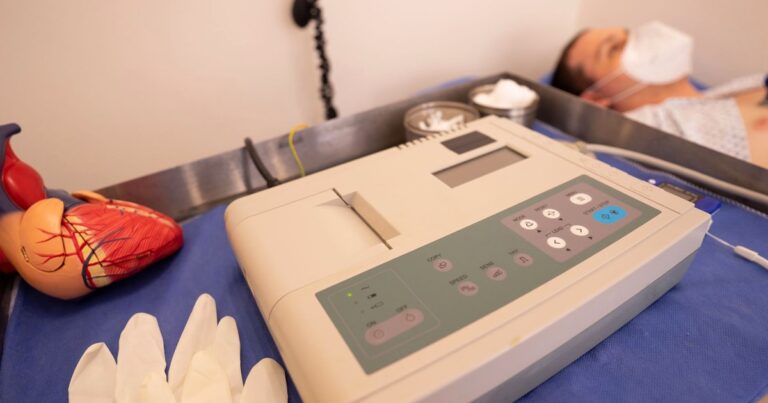
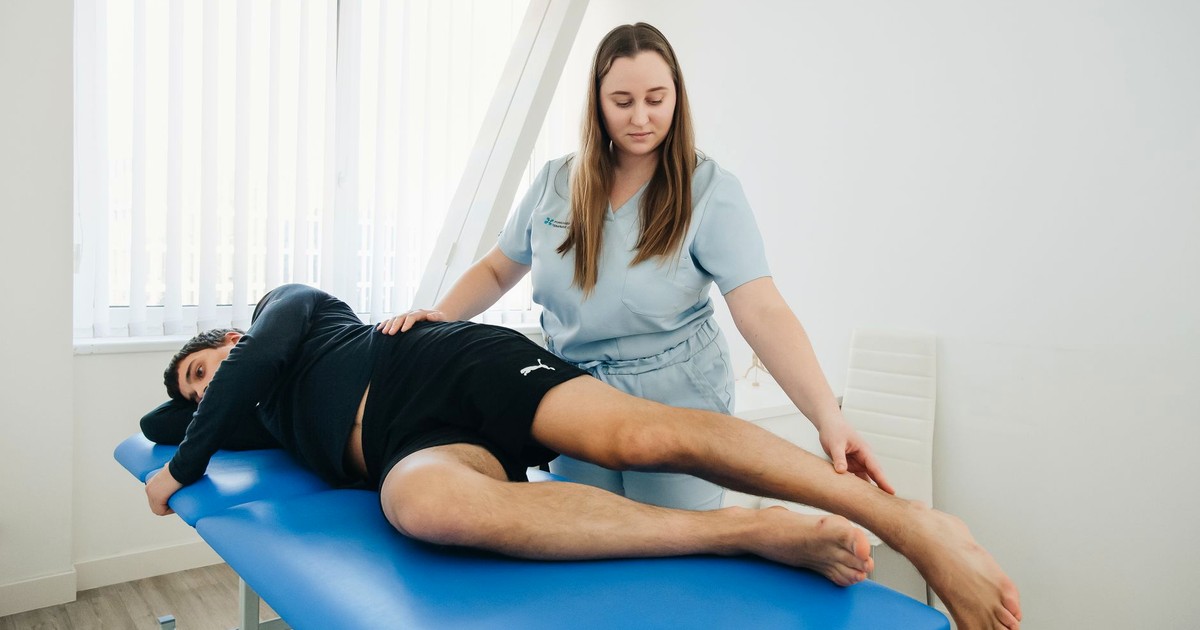
The program typically covers subjects like anatomy, physiology, biomechanics, electrotherapy, exercise therapy, and rehabilitation techniques. While the theoretical components are delivered online, most reputable distance DPT programs incorporate mandatory practical training or clinical rotations to ensure students gain essential hands-on experience, which is crucial for a medical profession like physiotherapy.
Is a Distance/Online Diploma in Physiotherapy recognized in India?
The recognition of a Distance/Online Diploma in Physiotherapy in India is a critical concern for students. Generally, purely online DPT programs without significant practical components are NOT widely recognized by regulatory bodies like the Indian Association of Physiotherapists (IAP) for professional practice. However, some institutions offer ‘blended’ or ‘hybrid’ programs that combine online theoretical learning with compulsory, supervised practical training at affiliated clinics or hospitals, which may gain better acceptance. Students must verify the accreditation and recognition status of any distance program with the IAP and relevant state councils before enrolling.
What is the eligibility for Diploma in Physiotherapy Distance/Online in India for 2026?
The general eligibility criteria for a Diploma in Physiotherapy Distance/Online in India for 2026 typically require candidates to have completed their 10+2 examination or an equivalent qualification from a recognized board, preferably with a science stream (Physics, Chemistry, Biology). Some institutions might also accept candidates from other streams if they meet specific foundational science requirements or pass an entrance test.
- Academic Qualification: 10+2 (or equivalent) with a minimum aggregate percentage (often 45-50%).
- Preferred Stream: Science stream with Physics, Chemistry, and Biology (PCB) is highly preferred, sometimes mandatory.
- Age Limit: Generally, there is no upper age limit for distance learning programs, though some institutions might specify a minimum age (e.g., 17 years).
- Entrance Exam: While many distance programs do not require a specific entrance exam, some reputed institutions might conduct their own aptitude tests or interviews.
How much does a Diploma in Physiotherapy Distance/Online cost in India for 2026?
The cost of a Diploma in Physiotherapy Distance/Online in India for 2026 can vary significantly based on the institution’s reputation, infrastructure, and the inclusion of practical training components. Government-affiliated or public universities offering blended programs generally have lower fees compared to private institutions.
Estimated Fee Ranges for DPT Distance/Online (2026)
| Institution Type | Annual Fee Range (INR) | Total Program Fee Range (INR) |
|---|---|---|
| Government/Public Universities (Blended) | ₹15,000 – ₹40,000 | ₹30,000 – ₹80,000 |
| Private Institutions (Blended/Hybrid) | ₹30,000 – ₹80,000 | ₹60,000 – ₹1,60,000 |
| Purely Online (Theory-focused, less recognized) | ₹10,000 – ₹30,000 | ₹20,000 – ₹60,000 |
These fees typically cover tuition, study materials, and access to online learning platforms. Additional costs might include examination fees, practical training charges (if separate), and clinical rotation expenses.
What is the syllabus and duration of a Distance/Online DPT program?
A Diploma in Physiotherapy Distance/Online program typically has a duration of 2 years, divided into four semesters, though some programs might be 1.5 or 3 years. The syllabus is designed to provide a foundational understanding of human anatomy, physiology, and various physiotherapy techniques.
Typical Syllabus for DPT Distance/Online (Illustrative)
| Semester 1 | Semester 2 | Semester 3 | Semester 4 |
|---|---|---|---|
| Anatomy & Physiology I | Anatomy & Physiology II | Electrotherapy I | Electrotherapy II |
| Biomechanics & Kinesiology I | Biomechanics & Kinesiology II | Exercise Therapy I | Exercise Therapy II |
| Pathology & Microbiology | Pharmacology | Medical & Surgical Conditions | Community Based Rehabilitation |
| Psychology & Sociology | First Aid & Basic Life Support | Clinical Orthopaedics | Clinical Neurology |
| Fundamentals of Physiotherapy | Research Methodology & Biostatistics | Practical Training/Clinical Posting I | Practical Training/Clinical Posting II |
The emphasis in distance learning is often on self-study through provided modules, online lectures, and virtual labs. Practical components, if included, are usually conducted in designated centers or affiliated hospitals during specific periods.
Is a Distance/Online Diploma in Physiotherapy worth it for jobs in India?
The job prospects after a Distance/Online Diploma in Physiotherapy largely depend on the program’s recognition and the practical skills acquired. While a purely online DPT might limit direct clinical roles due to lack of hands-on training recognition, a blended program with mandatory practicals can open doors to entry-level positions.
Graduates with a recognized DPT (especially from blended programs) can find roles as:
- Physiotherapy Assistant: Assisting qualified physiotherapists in clinics, hospitals, and rehabilitation centers.
- Rehabilitation Aide: Supporting patients in recovery and exercise programs.
- Fitness Trainer/Wellness Coach: Applying knowledge of human movement in fitness settings.
- Home Healthcare Assistant: Providing basic physiotherapy support to patients at home.
However, for independent practice or advanced roles, a Bachelor of Physiotherapy (BPT) degree is generally required and more widely recognized by professional bodies.
What is the salary after a Diploma in Physiotherapy Distance/Online in India?
The salary after a Diploma in Physiotherapy Distance/Online in India can vary significantly based on the role, employer, location, and the recognition of the diploma. Entry-level salaries are generally modest, especially for those with less recognized online diplomas.
Average Salary Ranges for DPT Graduates (Entry-Level, 0-2 years experience)
| Job Role | Annual Salary Range (INR) |
|---|---|
| Physiotherapy Assistant | ₹1,80,000 – ₹3,00,000 |
| Rehabilitation Aide | ₹1,50,000 – ₹2,50,000 |
| Fitness Trainer (with DPT knowledge) | ₹2,00,000 – ₹3,50,000 |
| Home Healthcare Assistant | ₹1,60,000 – ₹2,80,000 |
Salaries tend to increase with experience and further qualifications (like a BPT degree). Graduates from well-recognized blended programs with strong practical skills will generally command better compensation.
What are the pros and cons of pursuing a Distance/Online DPT?
Choosing a Distance/Online DPT comes with its own set of advantages and disadvantages that students should carefully consider.
Pros of Distance/Online DPT:
- Flexibility: Allows students to study at their own pace and schedule, ideal for working individuals or those with other commitments.
- Accessibility: Enables students from remote areas or those with mobility issues to access education.
- Lower Cost: Often more affordable than traditional on-campus programs due to reduced infrastructure and living expenses.
- Self-Paced Learning: Students can revisit complex topics and progress at a speed comfortable for them.
Cons of Distance/Online DPT:
- Limited Practical Exposure: Purely online programs lack the crucial hands-on clinical experience essential for physiotherapy.
- Recognition Issues: Many purely online diplomas are not fully recognized by professional bodies for clinical practice.
- Self-Discipline Required: Requires high levels of motivation and self-discipline to stay on track without direct supervision.
- Networking Challenges: Less opportunity for peer interaction and professional networking compared to on-campus programs.
- Technology Dependence: Requires reliable internet access and basic computer literacy.
Should I choose a Distance DPT or a regular BPT program?
The choice between a Distance DPT and a regular Bachelor of Physiotherapy (BPT) program depends on your career aspirations, time commitment, and financial resources. A regular BPT is a degree program (4.5 years including internship) that is universally recognized for professional practice and offers comprehensive, hands-on clinical training, making it the preferred choice for a full-fledged physiotherapy career. A Distance DPT, especially a blended one, serves as a foundational stepping stone or for roles requiring less direct clinical autonomy.
Comparison: Distance DPT vs. Regular BPT
| Feature | Distance/Online Diploma in Physiotherapy (DPT) | Regular Bachelor of Physiotherapy (BPT) |
|---|---|---|
| Duration | 1.5 – 2 years | 4.5 years (4 years academic + 6 months internship) |
| Recognition | Varies; Blended programs better recognized for assistant roles. Purely online often not recognized for independent practice. | Universally recognized by IAP and state councils for professional practice. |
| Practical Training | Limited or optional; mandatory in blended programs. | Extensive, supervised clinical rotations and internships. |
| Career Scope | Physiotherapy Assistant, Rehabilitation Aide, Fitness Trainer. Limited independent practice. | Licensed Physiotherapist, Clinical Practitioner, Specialist roles, Academics, Research. |
| Eligibility | 10+2 (Science preferred) | 10+2 (PCB mandatory), often with entrance exams. |
| Fees (Approx.) | ₹30,000 – ₹1,60,000 (Total) | ₹2,00,000 – ₹8,00,000 (Total) |
If your goal is to become a fully qualified and licensed physiotherapist with independent practice rights, the BPT program is the clear choice. If you seek foundational knowledge, a stepping stone, or a role as an assistant with maximum flexibility, a well-structured blended DPT might be suitable.
Explore more on FindMyCollege
Related pages for Diploma in Physiotherapy aspirants on findmycollege.com:
Frequently Asked Questions
Can I practice as a physiotherapist with a purely online DPT in India?
No, a purely online DPT without significant, supervised practical training is generally not sufficient to practice as a licensed physiotherapist in India. Professional bodies like the Indian Association of Physiotherapists (IAP) emphasize hands-on clinical experience for registration and practice.
Are there any entrance exams for Distance DPT programs in 2026?
Most distance DPT programs do not require a specific entrance exam. Admissions are often based on 10+2 academic merit. However, some reputable institutions offering blended programs might conduct their own aptitude tests or interviews.
What are the career advancement options after a Distance DPT?
After a Distance DPT, you can advance your career by gaining experience as an assistant, or more commonly, by pursuing higher education like a Bachelor of Physiotherapy (BPT) degree. A BPT will significantly enhance your career prospects and allow for independent practice.
Can I pursue a BPT after completing a Distance DPT?
Yes, in many cases, a recognized Diploma in Physiotherapy (DPT) can serve as a stepping stone for admission into a Bachelor of Physiotherapy (BPT) program, often with lateral entry options into the second year, depending on the university’s policies and the DPT’s recognition.
What kind of practical training is involved in a blended DPT program?
Blended DPT programs typically involve mandatory practical training sessions conducted at affiliated hospitals, clinics, or dedicated skill labs. These sessions might be intensive, short-duration workshops or longer clinical postings, designed to provide hands-on experience under supervision.
Which are the top colleges for Distance/Online DPT in India?
It’s important to note that very few top-tier universities offer a ‘purely online’ DPT that is fully recognized for clinical practice. Institutions that offer ‘blended’ or ‘hybrid’ models with strong practical components are more credible. Always check with the IAP for program recognition. Some universities offering similar paramedical diplomas via distance mode include IGNOU (though not specifically DPT), and various state open universities or private institutions with strong clinical tie-ups.