Master of Chirurgiae (MCh) in Urology: Distance/Online 2026
Nishit Kumar is a senior EdTech industry leader with over a decade of experience in building and scaling education platforms, shaping their product, content, and growth strategy. At…
Latest update: Master of Chirurgiae in Urology 2026 admissions & dates updated. Read more ›
Welcome to our comprehensive guide on pursuing a Master of Chirurgiae (MCh) in Urology through Distance or Online learning in India for the 2026 academic year. This page is designed to answer all your questions regarding this advanced medical specialization, its feasibility in a distance format, eligibility criteria, career prospects, and more.
Is Master of Chirurgiae (MCh) in Urology Available via Distance or Online Learning in India?
No, the Master of Chirurgiae (MCh) in Urology is NOT available through distance or online learning modes in India, nor is it recognized by regulatory bodies in such formats. MCh Urology is a highly specialized, hands-on surgical super-specialty requiring extensive clinical training, direct patient interaction, complex surgical procedures, and continuous supervision within a hospital setting. The Medical Council of India (MCI) and its successor, the National Medical Commission (NMC), mandate a rigorous, full-time, residency-based curriculum for all MCh programs, including Urology.
Any institution claiming to offer an MCh Urology degree through distance or online education in India would be operating outside the regulatory framework, and such a degree would not be recognized for practice. Medical education, especially at the super-specialty level, relies heavily on practical experience, cadaveric dissection, surgical simulations, and direct patient management, which cannot be replicated effectively in a virtual environment.
What is the Master of Chirurgiae (MCh) in Urology?
The Master of Chirurgiae (MCh) in Urology is a three-year super-specialty postgraduate degree program in India that trains qualified surgeons to become specialists in the diagnosis, treatment, and management of diseases of the urinary tract in males and females, and the male reproductive system. It is a highly demanding and prestigious qualification, essential for practicing as a Urologist.
The curriculum encompasses a wide range of topics, including urological oncology, reconstructive urology, endourology, neuro-urology, pediatric urology, andrology, and renal transplantation. Graduates are equipped with advanced surgical skills and in-depth knowledge to handle complex urological conditions.
What is the Eligibility for a Full-Time MCh in Urology Program?
To be eligible for a full-time MCh in Urology program in India, candidates must meet stringent academic and professional requirements. The primary eligibility criteria are:
- Medical Degree: Candidates must possess an MBBS degree from a university recognized by the National Medical Commission (NMC).
- Postgraduate Degree: Candidates must have completed a Master of Surgery (MS) in General Surgery from an NMC-recognized institution.
- Registration: Provisional or permanent registration with the Medical Council of India (MCI) or any State Medical Council is mandatory.
- Entrance Examination: Admission is primarily through national-level entrance examinations such as the NEET SS (National Eligibility cum Entrance Test for Super Specialty courses). Some institutions may conduct their own entrance exams, though NEET SS is the most common pathway.
- Internship: Completion of a compulsory rotating internship is required.
There are no relaxations in these criteria for any mode of study, as distance/online MCh Urology is not offered.
How is Admission to MCh Urology Handled in India (2026)?
Admission to MCh Urology programs in India for the 2026 academic year will primarily be based on performance in the NEET SS 2026 examination, followed by a centralized counseling process. Here’s a general outline of the admission process:
- NEET SS Application: Candidates must apply for the NEET SS examination, typically conducted by the National Board of Examinations in Medical Sciences (NBEMS).
- NEET SS Examination: Appear for the NEET SS exam, which assesses knowledge in the feeder specialty (General Surgery) and super-specialty subjects.
- Result Declaration: NBEMS declares the NEET SS results, including merit lists.
- Counseling Registration: Qualified candidates register for the centralized counseling process conducted by the Medical Counseling Committee (MCC) for All India Quota seats, or by respective state counseling authorities for state quota seats.
- Choice Filling & Locking: Candidates select their preferred MCh Urology colleges and courses based on their NEET SS rank.
- Seat Allotment: Seats are allotted based on merit, choices filled, and availability.
- Reporting to College: Allotted candidates must report to the respective college for document verification and admission formalities.
Key Dates for NEET SS 2026 (Tentative)
Please note these are approximate dates based on previous years and are subject to change. Candidates should refer to the official NBEMS website for the most accurate and updated information.
| Event | Tentative Dates (2026) |
|---|---|
| NEET SS Application Start | May – June 2026 |
| NEET SS Application End | June – July 2026 |
| NEET SS Exam Date | September 2026 |
| NEET SS Result Declaration | October 2026 |
| Counseling (MCC) | November – December 2026 |
| Academic Session Begins | January 2027 |
What is the Syllabus and Course Structure for MCh Urology?
The MCh Urology syllabus is comprehensive and designed to provide in-depth knowledge and practical skills in all aspects of urological surgery. The three-year program is structured to progressively build expertise.
Typical Course Structure & Key Subjects:
- First Year: Focus on basic sciences relevant to urology (anatomy, physiology, pathology, pharmacology), basic surgical principles, diagnostic urology (imaging, endoscopy), and management of common urological emergencies. Rotations in general surgery, nephrology, and radiology may be included.
- Second Year: Advanced diagnostic and therapeutic urology, endourology, reconstructive urology, urological oncology (basic principles), pediatric urology, andrology. Increased exposure to surgical procedures and independent decision-making.
- Third Year: Specialization in complex urological oncology, renal transplantation, advanced reconstructive procedures, neuro-urology, and research methodology. Residents perform a significant number of surgeries under supervision and complete a thesis/dissertation.
Core Subjects Include:
- Urological Anatomy & Physiology
- Urological Pathology & Microbiology
- Urological Pharmacology
- Diagnostic Urology (Imaging, Urodynamics, Endoscopy)
- Urological Oncology (Kidney, Bladder, Prostate, Testis)
- Endourology & Laparoscopic Urology
- Reconstructive Urology (Urethral Stricture, Bladder Augmentation)
- Pediatric Urology
- Andrology & Male Infertility
- Neuro-Urology & Female Urology
- Renal Transplantation
- Urolithiasis (Stone Disease)
- Trauma to the Genitourinary System
- Research Methodology & Biostatistics
How Much Does a Full-Time MCh in Urology Cost in India?
The cost of pursuing a full-time MCh in Urology in India varies significantly between government and private institutions. These fees are for the full-time, residential program, as distance/online options do not exist.
| Institution Type | Annual Fees (INR) | Total Course Fees (3 Years) (INR) |
|---|---|---|
| Government Medical Colleges | ₹10,000 – ₹1,00,000 | ₹30,000 – ₹3,00,000 |
| Private Medical Colleges / Deemed Universities | ₹10,00,000 – ₹35,00,000+ | ₹30,00,000 – ₹1,05,00,000+ |
Note: These figures are approximate and can vary. They typically include tuition fees but may not cover hostel charges, examination fees, or other miscellaneous expenses. Government colleges often have significantly subsidized fees, while private institutions charge much higher.
What are the Career Prospects and Salary Expectations After MCh Urology?
Graduates with an MCh in Urology have excellent career prospects and can expect high earning potential due to the specialized nature of the field. They are highly sought after in both public and private healthcare sectors.
Typical Career Roles:
- Consultant Urologist: Working in multi-specialty hospitals, private clinics, or government hospitals.
- Urological Surgeon: Performing a wide range of urological surgeries.
- Academician/Researcher: Teaching in medical colleges and engaging in clinical research.
- Specialized Urologist: Focusing on sub-specialties like Uro-Oncology, Pediatric Urology, Andrology, or Renal Transplantation.
- Medical Director/Head of Department: In larger healthcare institutions after significant experience.
Salary Expectations (Annual, INR):
Salaries for Urologists in India are among the highest in the medical profession, reflecting the extensive training and critical skills required.
| Experience Level | Government Sector (INR) | Private Sector (INR) |
|---|---|---|
| Fresh MCh Graduate | ₹12,00,000 – ₹25,00,000 | ₹18,00,000 – ₹40,00,000 |
| Mid-Career (5-10 years) | ₹20,00,000 – ₹40,00,000 | ₹35,00,000 – ₹80,00,000+ |
| Senior/Experienced (>10 years) | ₹30,00,000 – ₹60,00,000+ | ₹60,00,000 – ₹1,50,00,000+ |
Note: These figures are highly variable and depend on factors like hospital reputation, city, patient volume, surgical skills, and negotiation ability. Private practice earnings can be significantly higher.
Why is MCh Urology Not Suitable for Distance/Online Learning?
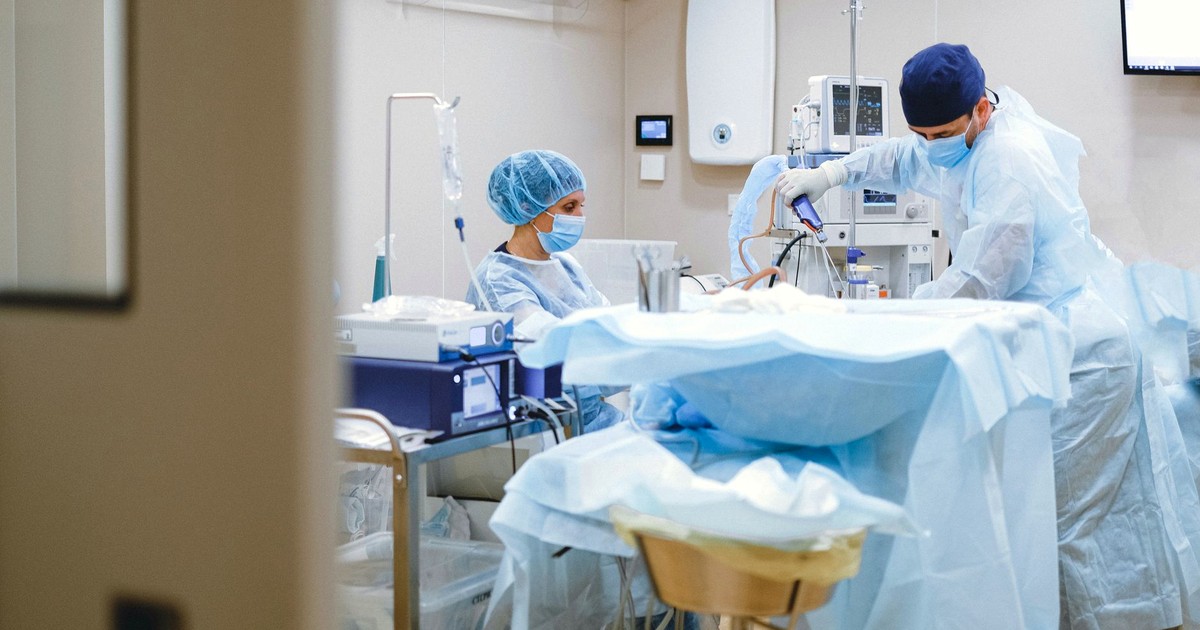
The fundamental reason MCh Urology cannot be offered via distance or online learning is the inherent nature of surgical super-specialties. Key aspects that necessitate a full-time, residential program include:
- Extensive Practical Training: Urology involves complex surgical procedures requiring years of hands-on practice, cadaveric dissection, and supervised operating room experience.
- Direct Patient Care: Diagnosis, pre-operative assessment, post-operative care, and long-term follow-up demand direct patient interaction, clinical examination, and decision-making in real-time.
- Use of Specialized Equipment: Urologists work with advanced endoscopic, laparoscopic, and robotic surgical instruments, requiring intensive training and proficiency in a clinical setting.
- Team Collaboration: Surgical training involves working closely with anesthesiologists, nurses, technicians, and other specialists, fostering critical teamwork skills.
- Ethical & Professional Development: The residency model instills professional ethics, patient safety protocols, and accountability under direct supervision.
- Regulatory Mandates: The NMC explicitly mandates full-time, hospital-based training for all MCh and DM programs to ensure quality and safety standards in medical practice.
Explore more on FindMyCollege
Related pages for Master of Chirurgiae in Urology aspirants on findmycollege.com:
Frequently Asked Questions
Can I pursue an MCh Urology part-time in India?
No, MCh Urology programs in India are strictly full-time, residential courses. There are no recognized part-time options due to the intensive clinical and surgical training requirements.
Are there any short-term online courses related to Urology?
While a full MCh degree is not available online, some institutions or professional bodies might offer short-term online certificate courses or workshops in specific aspects of urology (e.g., urological imaging, basic endourology principles). These are for continuing medical education (CME) or skill enhancement for practicing doctors, not for obtaining a super-specialty degree.
What is the difference between MS General Surgery and MCh Urology?
MS General Surgery is a broad postgraduate degree focusing on general surgical principles and common surgical conditions. MCh Urology is a super-specialty degree pursued after MS General Surgery, providing highly specialized training in diseases of the urinary and male reproductive systems.
Is MCh Urology recognized internationally if done in India?
An MCh Urology degree from an NMC-recognized institution in India is generally well-regarded. However, recognition for practice in other countries depends on the specific country’s medical licensing board and their equivalency requirements. Often, additional examinations or residency periods may be required.
What are the top colleges for MCh Urology in India?
Some of the top institutions renowned for MCh Urology include All India Institute of Medical Sciences (AIIMS) Delhi, Post Graduate Institute of Medical Education & Research (PGIMER) Chandigarh, Sanjay Gandhi Postgraduate Institute of Medical Sciences (SGPGI) Lucknow, Christian Medical College (CMC) Vellore, and various government medical colleges and deemed universities across India.
Is there an alternative to MCh Urology for specializing in the field?
In India, the MCh is the primary and most recognized qualification for specializing in Urology. Some institutions might offer a DNB (Diplomate of National Board) in Urology, which is equivalent to MCh and also requires full-time, hospital-based training after MS General Surgery.