Ambedkar University Delhi revises PhD fellowship guidelines on September 30, 2026
In short
- Ambedkar University Delhi revised its PhD fellowship guidelines on September 30, 2026, superseding a July 31 order.
- The new guidelines require scholars to attend coursework and seminars, maintain academic engagement, and ensure research progress.
- Attendance records will be maintained by research supervisors and programme coordinators, and verified by school deans.
- The university stated the guidelines are academic, align with UGC regulations, and aim to strengthen the research ecosystem.
- The revision occurred amid a week-long protest by students associated with AISA, raising concerns about campus access and medical assistance.
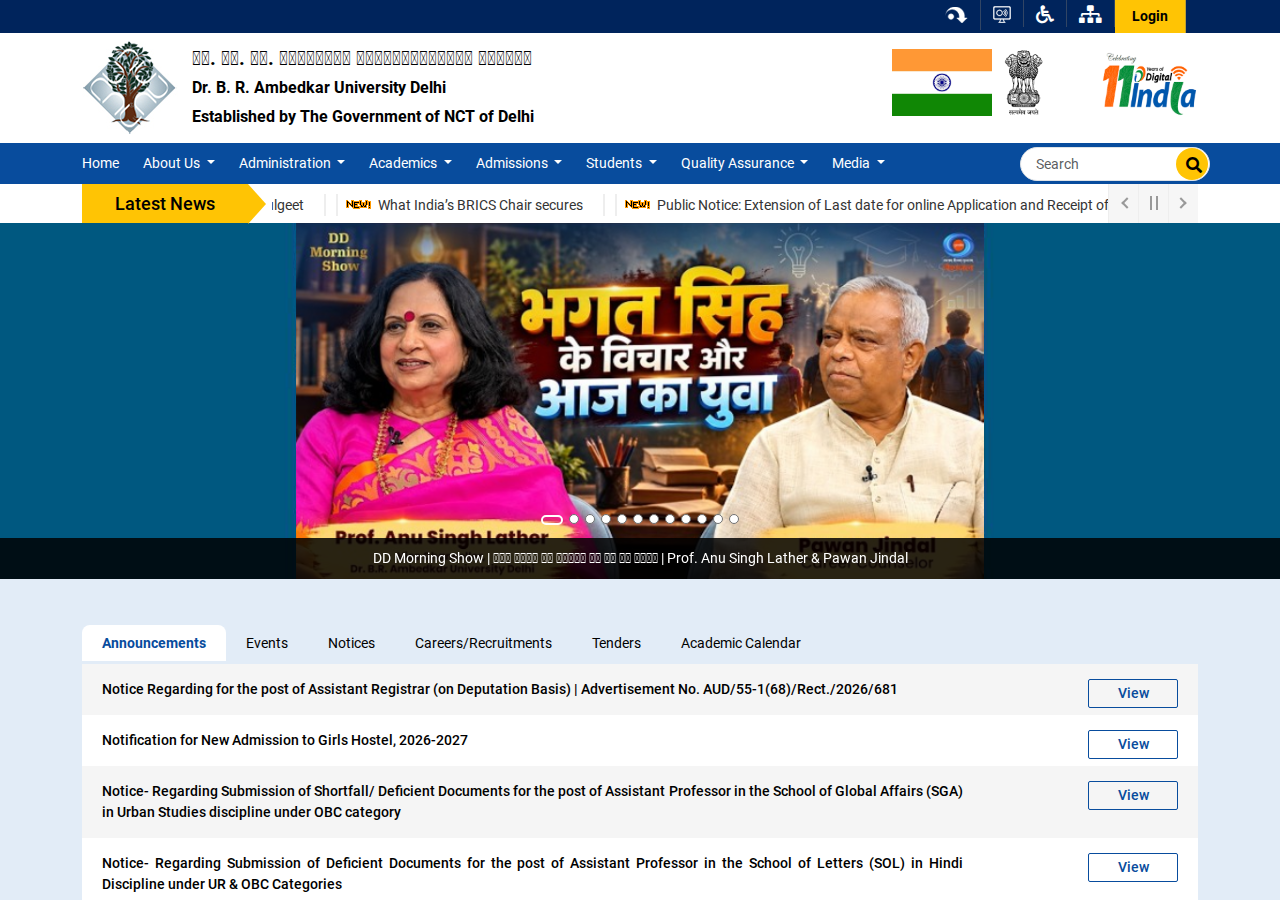
Ambedkar University Delhi (AUD) revised its guidelines for full-time PhD scholars receiving fellowships on September 30, 2026, in New Delhi. This new office order supersedes a previous notification issued on July 31, 2026, which had introduced attendance requirements for these scholars.
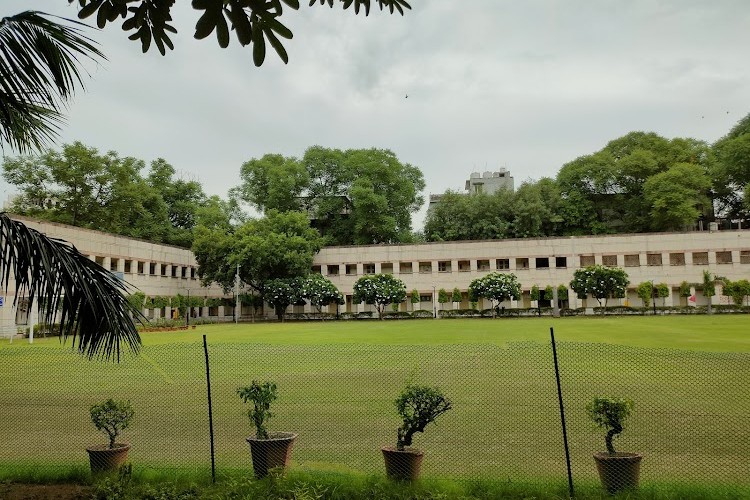
The university stated the revisions aim to provide greater flexibility while ensuring scholars attend coursework and seminars, maintain academic engagement and research progress. The move also intends to strengthen the research ecosystem and ensure the participation of research scholars in academic and research activities.
Revised PhD Fellowship Guidelines
The revised guidelines mandate that full-time PhD scholars receiving fellowships must attend coursework and seminars. They are also required to maintain academic engagement and demonstrate progress in their research work. Attendance records for these scholars will be maintained by their respective research supervisors and programme coordinators, with verification to be conducted by the dean of the concerned school.
The research supervisor holds the responsibility for ensuring satisfactory academic engagement and the progress of the scholar’s research work, operating under the overall guidance of the dean. The Ambedkar University Delhi administration clarified that these guidelines are “purely academic in nature” and are consistent with University Grants Commission (UGC) regulations and practices observed in other central and state universities.
Background to the Revision and Student Protests
The revision of the PhD fellowship guidelines follows a week-long protest at the university by students associated with the All India Students’ Association (AISA). The July 31 notification, which introduced attendance requirements and penalties for “unauthorised absence” from on-campus research work, had triggered concerns among research scholars regarding potential restrictions on their academic and research-related activities.
The July 31 notification, issued by Dean Academic Affairs Professor Satyaketu Sankrit, who is also the Chief Proctor, covered all scholars receiving fellowships, including Junior Research Fellowship (JRF), Senior Research Fellowship (SRF), and Ambedkar University Delhi Merit Research Fellowship (AUD MRF). This decision stemmed from a meeting of the University Research Degree Committee (URDC) held on July 27, which included Vice-Chancellor Dr. Anu Singh Lather, the Registrar, Dean Academic Affairs, Dean Assessment, Evaluation and Student Progression, and an external member from Indraprastha University. Professor Satyaketu Sankrit had stated, “Any unauthorised absence from the on-campus research work, as certified by the attendance records, will be penalised as per the rules. Particularly, such absence will have a direct bearing on the fellowship received by the scholar.”
Allegations and University Response During Protests
During the week-long protest, students associated with AISA raised several allegations against the university administration. Protesters claimed that security personnel restricted the entry of food and water late on Friday night and that a student who collapsed around 3 am faced delays in medical evacuation. AISA also alleged that students were denied access to the campus and demanded the removal of physical barriers, restoration of campus democracy, accountability over alleged obstruction of emergency medical access, and unrestricted entry for all registered students.
In response, the university stated that its medical team was continuously monitoring the health of protesting students and providing necessary medical assistance. The administration clarified that the library, laboratories, and certain other blocks had been closed for maintenance and safety purposes, and students had been informed in advance about these closures. The university also stated that the indefinite sit-in was being held without prior permission, although a designated space had been provided for peaceful protests. The university further alleged that some protesting students had manhandled security guards, a matter which was brought to the notice of Delhi Police. The university appealed to students and other stakeholders against spreading misinformation and stated it remained open to dialogue and clarification, noting, “Many students and their guardians have placed their hope, future and career in this University.”

📰 More Education News
- Punjab Police Constable result 2026 released: download scorecard by March 30Oct 5, 2026 • Nishit Kumar
- IIT GATE 2027 extended registration closes October 12, applyOct 5, 2026 • Nishit Kumar
- Taxila Business School Jaipur 2026 placement report released: average package at Rs 12.50 LPAOct 5, 2026 • Nishit Kumar
- JEE Main 2027 session 1 exam dates released, registration expected mid-OctoberOct 5, 2026 • Nishit Kumar