MPBSE changes exam pattern for classes 9 to 12 from 2026-27 session
In short
- The Madhya Pradesh Board of Secondary Education (MPBSE) announced changes to the question paper pattern for Classes 9 to 12 in a notice dated October 15, 2026.
- From the 2026-27 academic session, internal choices have been removed for two-mark very short-answer questions in main subjects.
- Internal choices have been introduced for five-mark and seven-mark questions in subjects under the National Skills Qualifications Framework (NSQF).
- The revised pattern for Class 10 includes a 75-mark written paper with 30 marks for objective-type questions.
- For Class 12 non-practical subjects, the written examination will carry 80 marks, comprising 10 very short-answer, four short-answer, and four long-answer questions.
The Madhya Pradesh Board of Secondary Education (MPBSE) has changed the question paper pattern for Classes 9 to 12, effective from the 2026-27 academic session. The revisions, announced in a notice dated October 15, 2026, aim to reduce students’ dependence on rote learning and selective preparation by placing greater emphasis on reasoning and understanding.
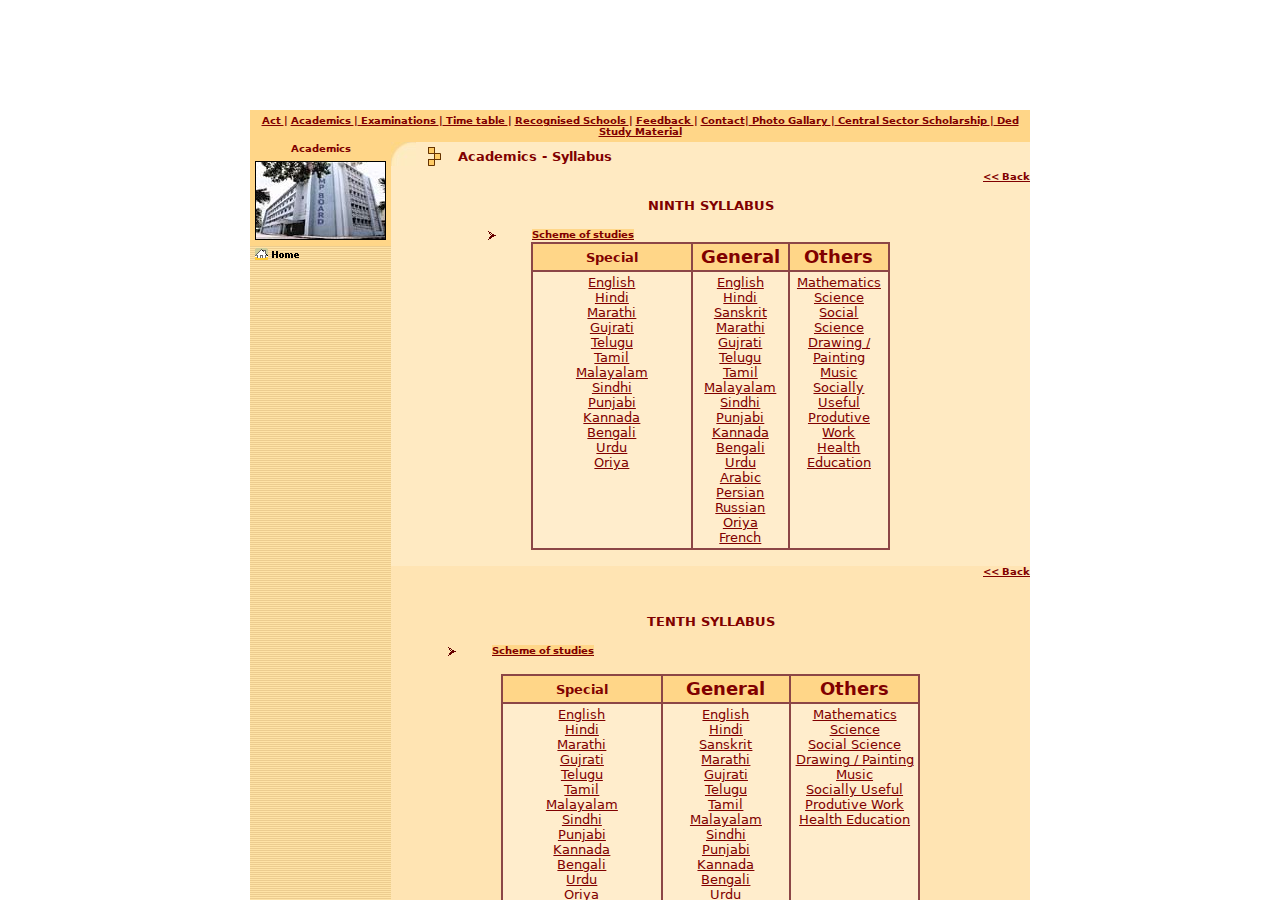
These changes introduce a CBSE-style approach to the examination structure, although the MPBSE will continue with its own curriculum and examination system. The board has published the 2026-27 curriculum and subject-wise marking schemes for Classes 9 to 12 on its official Academics portal.
Revised Question Pattern Details
Under the new pattern, internal choices have been removed for two-mark very short-answer questions in main subjects across Classes 9 to 12. However, internal choices will continue to be available for three-mark and four-mark questions in these main subjects.
Conversely, for students studying subjects under the National Skills Qualifications Framework (NSQF), internal choices have been introduced in five-mark and seven-mark questions. MPBSE Secretary Buddhesh Kumar Vaidya stated that examinations for Classes 9 to 12 would be based on CBSE standards and include logical reasoning questions.
| Question type | New rule from 2026-27 |
|---|---|
| Main subjects: 2-mark questions | Internal choice removed |
| Main subjects: 3-mark questions | Internal choice continues |
| Main subjects: 4-mark questions | Internal choice continues |
| NSQF subjects: 5-mark questions | Internal choice introduced |
| NSQF subjects: 7-mark questions | Internal choice introduced |
Specific Changes for Class 10 and 12
For Class 10, the revised pattern provides for a 75-mark written paper, which includes 30 marks allocated to objective-type questions. The Class 10 paper will feature 12 very short-answer questions, each carrying two marks. The number of long-answer questions for Class 10 has been reduced from four to three, and three short-answer questions will be asked without the earlier choice arrangement.
For Class 12 non-practical subjects, the written examination will carry 80 marks. This examination will comprise 10 very short-answer questions, four short-answer questions, and four long-answer questions. Practical and internal-assessment components will continue for applicable subjects in Class 12.
Context and Previous Initiatives
These changes align with a broader trend in education boards, including CBSE, to incorporate objective-type and application-based questions, moving away from rote learning. The latest notice from MPBSE focuses solely on the question paper pattern and does not announce any alterations to the examination schedule or the second-examination system.
The MP Board had previously introduced a second-examination facility for Classes 10 and 12 in the 2025-26 academic session. This facility allows students to improve their marks or pass subjects they could not clear in the first examination. Students who were absent, failed, or wished to improve their scores in the first examination could appear for the second examination by applying through their registered school and paying the prescribed fee. The board considers the higher marks obtained from either examination when preparing the final result.
Further reading

📰 More Education News
- Bihar PGMAC 2026 round 1 seat matrix released todayOct 19, 2026 • Nishit Kumar
- RUHS Pharmacy Admission Test counselling ends today: top clinical pharmacy colleges in Delhi NCROct 19, 2026 • Nishit Kumar
- NIPER JEE 2026: Apply for M.Pharm/Pharm.D at Govt Pharmacy College GandhinagarOct 19, 2026 • Nishit Kumar
- JEE Advanced 2027 exam day guidelines released: reporting time before 7:30 AM for paper 1Oct 19, 2026 • Nishit Kumar