B.V.Sc vs MBBS vs BDS (2026): Which is Better?
Prabhu is a B.Tech graduate from Jagannath University with 4+ years of experience in content planning and strategy. He specializes in writing about engineering and management colleges, helping…
Latest update: B.V.Sc 2026 admissions & dates updated. Read more ›
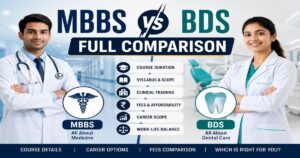
B.V.Sc vs MBBS vs BDS: Quick Comparison (2026)
| Course | Duration | Eligibility | Avg Fees (range) | Top Careers | Avg Starting Salary | Best For |
|---|---|---|---|---|---|---|
| B.V.Sc (Bachelor of Veterinary Science & A.H.) | 5.5 years (incl. internship) | 10+2 with PCB, NEET-UG | ₹50,000 – ₹2,50,000 per year | Veterinarian, Animal Scientist, Livestock Development Officer | ₹4,00,000 – ₹7,00,000 per year | Students passionate about animal health, welfare, and livestock management. |
| MBBS (Bachelor of Medicine, Bachelor of Surgery) | 5.5 years (incl. internship) | 10+2 with PCB, NEET-UG | ₹1,00,000 – ₹10,00,000 per year | Doctor, Surgeon, Medical Researcher, Public Health Specialist | ₹6,00,000 – ₹12,00,000 per year | Students aspiring to treat human diseases and work in healthcare for humans. |
| BDS (Bachelor of Dental Surgery) | 5 years (incl. internship) | 10+2 with PCB, NEET-UG | ₹50,000 – ₹6,00,000 per year | Dentist, Oral Surgeon, Orthodontist, Dental Researcher | ₹3,50,000 – ₹8,00,000 per year | Students interested in oral health, dental care, and maxillofacial regions. |
B.V.Sc vs MBBS
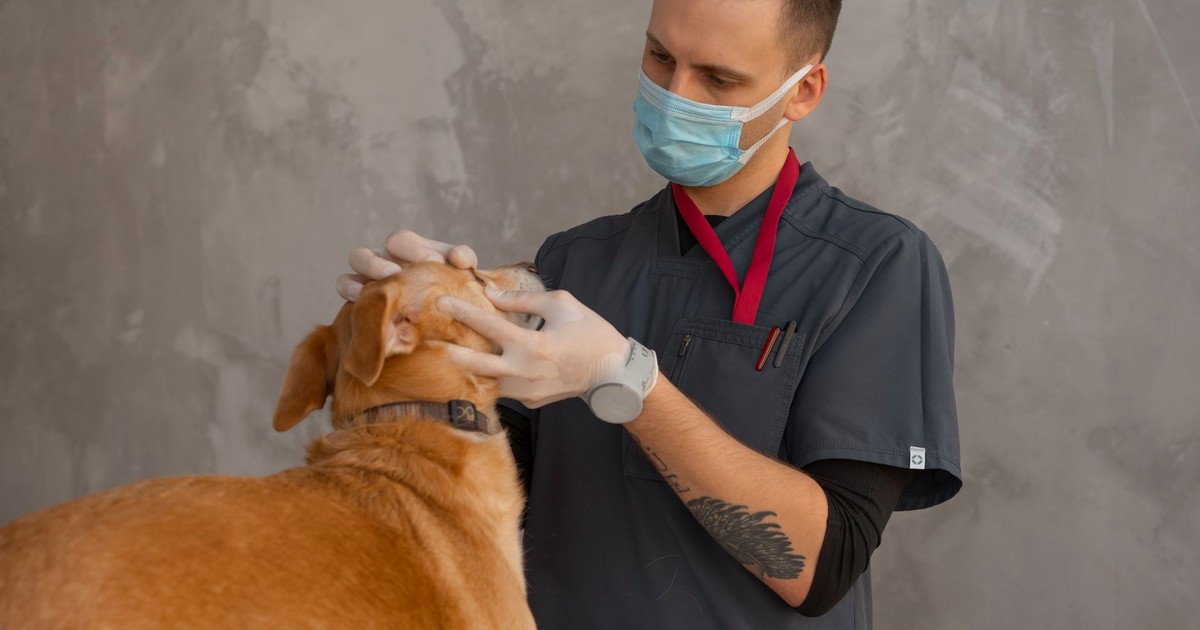
B.V.Sc, or Bachelor of Veterinary Science and Animal Husbandry, focuses on the health, treatment, and welfare of animals, including livestock, pets, and wildlife. MBBS, on the other hand, is dedicated to human medicine, diagnosing and treating human diseases. While both involve biological sciences and clinical practice, B.V.Sc requires a deep understanding of animal physiology and zoonotic diseases, whereas MBBS delves into human anatomy, pharmacology, and surgical procedures. B.V.Sc is ideal for those with a strong affinity for animals, while MBBS suits individuals committed to human healthcare.
B.V.Sc vs BDS
B.V.Sc prepares graduates to become veterinarians, addressing a wide range of animal health issues from surgery to public health aspects related to animal-borne diseases. BDS (Bachelor of Dental Surgery) is a specialized medical degree focused exclusively on oral health, including diagnosis, prevention, and treatment of diseases and conditions affecting the teeth, gums, and maxillofacial region in humans. The scope of practice for B.V.Sc is broad across species, while BDS is highly specialized within human anatomy. Choose B.V.Sc if your passion lies with animal care, and BDS if you are specifically interested in human dental health.
People Also Read

Which one should you choose?
If you are deeply passionate about animals, their health, and welfare, and envision a career working with various species, B.V.Sc is the ideal choice. For those aspiring to become doctors and treat human illnesses, MBBS is the definitive path. If your interest is specifically in human oral health and dentistry, then BDS would be the most suitable option. Consider your long-term career goals, your comfort with different types of patients (animals vs. humans), and the specific challenges and rewards each profession offers.
Explore more on FindMyCollege
Related pages for B.V.Sc aspirants on findmycollege.com:
Frequently Asked Questions
Which course is harder, B.V.Sc, MBBS, or BDS?
All three courses are highly demanding and require significant dedication to biological sciences, clinical skills, and extensive study. MBBS is often perceived as having the broadest and most intense curriculum due to the complexity of human systems and the vast array of diseases. B.V.Sc and BDS are also rigorous but focus on specific domains (animals and oral health, respectively).
Which course offers better salary prospects in India?
Generally, MBBS graduates tend to have higher average starting salaries, especially after specialization. B.V.Sc and BDS graduates also have good earning potential, which can significantly increase with experience, specialization, and private practice. The salary largely depends on location, type of employment (government vs. private), and further education.
Which course is better for government jobs?
All three degrees offer excellent opportunities for government jobs. MBBS graduates can join public hospitals, health departments, and medical colleges. B.V.Sc graduates are in demand for roles in state animal husbandry departments, veterinary hospitals, and livestock development boards. BDS graduates can work in government dental colleges, hospitals, and public health centers. The availability and competitiveness vary by state and specific recruitment drives.
Can I switch from B.V.Sc to MBBS or vice versa?
No, you cannot directly switch between B.V.Sc, MBBS, or BDS. These are distinct undergraduate degrees with different curricula and career paths. To pursue any of these, you would need to meet the eligibility criteria and clear the NEET-UG entrance examination again for fresh admission to the desired course.
What are the career scopes beyond clinical practice for these courses?
Beyond clinical practice, B.V.Sc graduates can work in animal research, pharmaceutical companies (animal health division), wildlife conservation, food safety, and public health (zoonotic diseases). MBBS graduates have avenues in medical research, public health administration, medical education, and health policy. BDS graduates can pursue careers in dental research, academia, and public health dentistry.
Which course has a higher demand in rural areas of India?
All three professions are in high demand in rural areas. There is a significant need for veterinarians (B.V.Sc) to support livestock and animal health in agricultural communities. MBBS doctors are crucial for primary healthcare access. BDS dentists are also needed to address oral health issues, which are often neglected in remote regions. The demand for each is substantial, addressing different critical needs.