MBBS Distance / Online in India 2026: Comprehensive Guide
Nishit Kumar is a senior EdTech industry leader with over a decade of experience in building and scaling education platforms, shaping their product, content, and growth strategy. At…
Latest update: MBBS 2026 admissions & dates updated. Read more ›
Aspiring medical professionals often wonder about flexible study options. This comprehensive guide addresses all aspects of pursuing an MBBS Distance / Online program in India for the 2026 academic year, providing clarity on its feasibility, regulations, and alternatives.
Is MBBS Distance / Online Education Available in India for 2026?
No, MBBS (Bachelor of Medicine, Bachelor of Surgery) cannot be pursued through distance or online education in India for 2026, nor is it permitted globally by recognized medical councils. Medical education, by its very nature, requires extensive hands-on clinical training, practical laboratory work, and direct patient interaction, which are impossible to replicate in an online or distance learning format. The National Medical Commission (NMC) in India strictly mandates a full-time, campus-based curriculum for MBBS degrees.
Why is MBBS Not Offered as a Distance or Online Course?
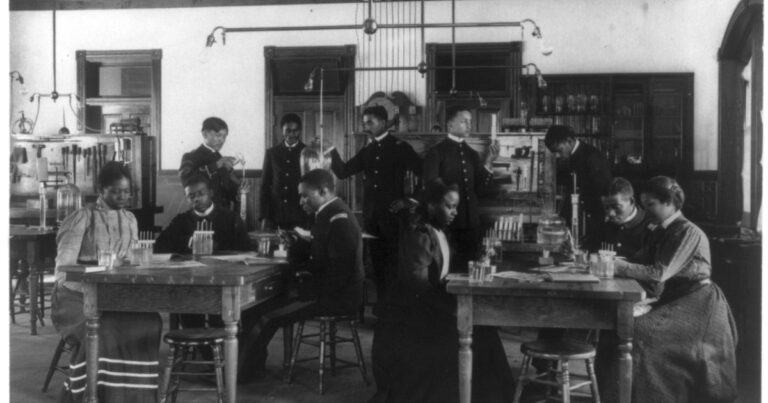
MBBS is not offered as a distance or online course primarily due to the critical need for practical, hands-on clinical training and direct patient exposure. The curriculum is designed to develop diagnostic skills, surgical proficiency, and patient management abilities, which can only be acquired in a supervised, real-world hospital setting. Online platforms cannot provide the necessary cadaver dissection, laboratory experiments, clinical rotations, and direct mentorship essential for becoming a competent medical doctor.
What are the Eligibility Criteria for a Regular MBBS Program in India (2026)?
To be eligible for a regular, full-time MBBS program in India for 2026, candidates must meet specific academic and age requirements, and qualify through a national entrance examination. The primary eligibility criteria are:
- Age Limit: Minimum 17 years as of December 31st of the admission year. There is no upper age limit currently, following a Supreme Court directive.
- Academic Qualification: Must have passed 10+2 (or equivalent) with Physics, Chemistry, Biology/Biotechnology, and English as core subjects from a recognized board.
- Minimum Marks: A minimum aggregate of 50% marks in Physics, Chemistry, and Biology/Biotechnology for General category candidates (40% for SC/ST/OBC and 45% for PwD candidates).
- Entrance Exam: Qualification in the National Eligibility cum Entrance Test (NEET-UG) is mandatory for admission to all MBBS courses in India, including AIIMS and JIPMER.
- Nationality: Indian Nationals, Non-Resident Indians (NRIs), Overseas Citizens of India (OCIs), Persons of Indian Origin (PIOs), and Foreign Nationals are eligible.
What is the Admission Process for MBBS in India (2026)?
The admission process for MBBS in India for the 2026 academic year is centralized and primarily based on the NEET-UG examination. Here’s a step-by-step overview:
- NEET-UG Application: Candidates must register and apply for the NEET-UG examination online through the official NTA website.
- NEET-UG Examination: Appear for the NEET-UG exam, typically held in May.
- NEET-UG Result & Merit List: NTA declares results and an all-India merit list based on NEET scores.
- Counseling Registration: Qualified candidates register for counseling processes conducted by the Medical Counselling Committee (MCC) for All India Quota (AIQ) seats (15%) and by respective State Counseling Authorities for State Quota seats (85%).
- Choice Filling & Locking: Candidates select their preferred colleges and courses during the counseling rounds.
- Seat Allotment: Seats are allotted based on NEET rank, choices filled, and reservation policies.
- Reporting to College: Allotted candidates must report to the respective college with original documents for verification and admission completion.
Key Dates for NEET-UG 2026 (Tentative)
Please note that these dates are tentative and based on previous years’ schedules. Official dates will be released by the National Testing Agency (NTA).
| Event | Tentative Date (2026) |
|---|---|
| Online Application Start | February 2026 |
| Online Application End | March 2026 |
| Admit Card Release | Late April 2026 |
| NEET-UG Exam Date | First Sunday of May 2026 |
| Result Declaration | First week of June 2026 |
| Counseling Rounds | July – September 2026 |
What are the Fees for MBBS in India (2026)?
The fees for MBBS in India vary significantly depending on the type of institution (government vs. private) and the state. Government colleges are substantially more affordable due to subsidies, while private colleges have much higher fees.
MBBS Fee Ranges (Annual, Tentative 2026)
| Institution Type | Annual Fee Range (INR) |
|---|---|
| Government Medical Colleges | ₹10,000 – ₹1,00,000 |
| Private Medical Colleges | ₹5,00,000 – ₹25,00,000+ |
| Deemed Universities | ₹15,00,000 – ₹30,00,000+ |
| AIIMS/JIPMER | ₹1,500 – ₹10,000 (Highly Subsidized) |
Note: These are approximate ranges and can vary. Additional costs include hostel fees, mess charges, examination fees, and miscellaneous expenses.
What are the Career Prospects and Salary Expectations After MBBS?
An MBBS degree opens doors to a wide range of career opportunities in healthcare, both clinical and non-clinical. After completing MBBS, graduates typically pursue a compulsory one-year internship, followed by options for postgraduate specialization (MD/MS) or direct employment.
Common Career Paths After MBBS:
- General Practitioner (GP): Providing primary healthcare.
- Hospital Resident Doctor: Working in various departments of hospitals.
- Medical Officer: In government health services.
- Public Health Specialist: Working in community health programs.
- Medical Researcher: In pharmaceutical companies or research institutions.
- Armed Forces Medical Services: Serving as doctors in the military.
- Further Specialization: Pursuing MD (Doctor of Medicine) or MS (Master of Surgery) in various fields like Cardiology, Pediatrics, Surgery, Radiology, etc.
Average Salary Expectations (Annual, Tentative)
Salaries vary significantly based on experience, specialization, location, and type of employer (government vs. private).
| Role | Experience Level | Average Annual Salary Range (INR) |
|---|---|---|
| Junior Resident/Intern | 0-1 year | ₹3,00,000 – ₹7,00,000 |
| General Practitioner | 1-5 years | ₹4,00,000 – ₹10,00,000 |
| Medical Officer (Govt.) | 1-5 years | ₹6,00,000 – ₹12,00,000 |
| Specialist Doctor (MD/MS) | 5+ years | ₹10,00,000 – ₹30,00,000+ |
Are there any ‘hybrid’ or ‘blended’ MBBS programs in India?
No, there are no ‘hybrid’ or ‘blended’ MBBS programs recognized by the National Medical Commission (NMC) in India. The NMC mandates a fully residential, campus-based curriculum for the entire duration of the MBBS course. While some theoretical components might be supplemented with online resources or lectures in a traditional setting, the core practical, clinical, and laboratory training cannot be delivered remotely or in a blended format.
What are the alternatives if I cannot pursue a full-time MBBS?
If a full-time, campus-based MBBS is not feasible, there are several alternative medical and allied health science courses that can be pursued. These programs offer diverse career paths within the healthcare sector:
- BDS (Bachelor of Dental Surgery): Focuses on oral health.
- BAMS (Bachelor of Ayurvedic Medicine and Surgery): Traditional Indian medicine.
- BHMS (Bachelor of Homeopathic Medicine and Surgery): Homeopathic medicine.
- BUMS (Bachelor of Unani Medicine and Surgery): Unani system of medicine.
- B.Sc. Nursing: A four-year professional nursing degree.
- B.Pharm (Bachelor of Pharmacy): Focuses on pharmaceutical sciences.
- BPT (Bachelor of Physiotherapy): Deals with physical rehabilitation.
- BMLT (Bachelor of Medical Laboratory Technology): Focuses on diagnostic lab procedures.
- B.Sc. Allied Health Sciences: Various specializations like Optometry, Radiology, Anesthesia Technology, etc.
Some of these alternative courses might have components that can be delivered in a blended format or have distance learning options for certain foundational subjects, but practical training remains a crucial part of all healthcare-related degrees.
Explore more on FindMyCollege
Related pages for MBBS aspirants on findmycollege.com:
Frequently Asked Questions
Is an MBBS degree from a foreign online university valid in India?
No, an MBBS degree obtained through an online or distance learning program from any foreign university is not recognized or valid in India by the National Medical Commission (NMC). To practice medicine in India, a foreign medical graduate must have completed a full-time, in-person course and pass the Foreign Medical Graduate Examination (FMGE).
Can I prepare for NEET-UG through online coaching?
Yes, many students successfully prepare for the NEET-UG examination through online coaching platforms. Online coaching provides flexibility, access to quality study materials, mock tests, and expert faculty, which can be highly effective for exam preparation. However, the MBBS course itself remains strictly offline.
What is the duration of a regular MBBS course in India?
A regular MBBS course in India has a duration of 5.5 years, which includes 4.5 years of academic study and a mandatory one-year rotating internship.
Are there any age relaxations for MBBS admission?
While there is no upper age limit for NEET-UG as per the latest Supreme Court ruling, the minimum age remains 17 years as of December 31st of the admission year. Some reservation categories might have specific age-related considerations for state quota seats, but generally, the 17-year minimum is universal.
Can I get an education loan for MBBS?
Yes, education loans are widely available from various banks and financial institutions for pursuing a full-time MBBS course in India. The loan amount, interest rates, and repayment terms depend on the institution, student’s profile, and co-applicant’s financial standing.
What is the difference between AIQ and State Quota seats?
All India Quota (AIQ) comprises 15% of the total MBBS seats in government medical colleges across India (excluding J&K, which participates voluntarily). These seats are open to candidates from all states. State Quota seats comprise the remaining 85% of seats in government medical colleges and 100% in private colleges within a state, reserved for candidates domiciled in that particular state.
Is it possible to pursue MBBS after completing a B.Sc. degree?
Yes, it is possible to pursue MBBS after completing a B.Sc. degree, provided you meet the NEET-UG eligibility criteria (10+2 with PCB and minimum marks) and qualify the NEET-UG exam. The B.Sc. degree itself does not grant any special advantage or exemption from the NEET-UG requirement.
What are the top entrance exams for medical courses other than NEET?
For MBBS and BDS, NEET-UG is the sole entrance exam in India. However, for other medical and allied health courses like BAMS, BHMS, B.Sc. Nursing, BPT, etc., some states or universities might conduct their own entrance exams, though many also accept NEET scores or 10+2 merit. Always check the specific requirements for the desired course and institution.
{“@context”: “https://schema.org”, “@type”: “FAQPage”, “mainEntity”: [{“@type”: “Question”, “name”: “Is an MBBS degree from a foreign online university valid in India?”, “acceptedAnswer”: {“@type”: “Answer”, “text”: “No, an MBBS degree obtained through an online or distance learning program from any foreign university is not recognized or valid in India by the National Medical Commission (NMC). To practice medicine in India, a foreign medical graduate must have completed a full-time, in-person course and pass the Foreign Medical Graduate Examination (FMGE).”}}, {“@type”: “Question”, “name”: “Can I prepare for NEET-UG through online coaching?”, “acceptedAnswer”: {“@type”: “Answer”, “text”: “Yes, many students successfully prepare for the NEET-UG examination through online coaching platforms. Online coaching provides flexibility, access to quality study materials, mock tests, and expert faculty, which can be highly effective for exam preparation. However, the MBBS course itself remains strictly offline.”}}, {“@type”: “Question”, “name”: “What is the duration of a regular MBBS course in India?”, “acceptedAnswer”: {“@type”: “Answer”, “text”: “A regular MBBS course in India has a duration of 5.5 years, which includes 4.5 years of academic study and a mandatory one-year rotating internship.”}}, {“@type”: “Question”, “name”: “Are there any age relaxations for MBBS admission?”, “acceptedAnswer”: {“@type”: “Answer”, “text”: “While there is no upper age limit for NEET-UG as per the latest Supreme Court ruling, the minimum age remains 17 years as of December 31st of the admission year. Some reservation categories might have specific age-related considerations for state quota seats, but generally, the 17-year minimum is universal.”}}, {“@type”: “Question”, “name”: “Can I get an education loan for MBBS?”, “acceptedAnswer”: {“@type”: “Answer”, “text”: “Yes, education loans are widely available from various banks and financial institutions for pursuing a full-time MBBS course in India. The loan amount, interest rates, and repayment terms depend on the institution, student’s profile, and co-applicant’s financial standing.”}}, {“@type”: “Question”, “name”: “What is the difference between AIQ and State Quota seats?”, “acceptedAnswer”: {“@type”: “Answer”, “text”: “All India Quota (AIQ) comprises 15% of the total MBBS seats in government medical colleges across India (excluding J&K, which participates voluntarily). These seats are open to candidates from all states. State Quota seats comprise the remaining 85% of seats in government medical colleges and 100% in private colleges within a state, reserved for candidates domiciled in that particular state.”}}, {“@type”: “Question”, “name”: “Is it possible to pursue MBBS after completing a B.Sc. degree?”, “acceptedAnswer”: {“@type”: “Answer”, “text”: “Yes, it is possible to pursue MBBS after completing a B.Sc. degree, provided you meet the NEET-UG eligibility criteria (10+2 with PCB and minimum marks) and qualify the NEET-UG exam. The B.Sc. degree itself does not grant any special advantage or exemption from the NEET-UG requirement.”}}, {“@type”: “Question”, “name”: “What are the top entrance exams for medical courses other than NEET?”, “acceptedAnswer”: {“@type”: “Answer”, “text”: “For MBBS and BDS, NEET-UG is the sole entrance exam in India. However, for other medical and allied health courses like BAMS, BHMS, B.Sc. Nursing, BPT, etc., some states or universities might conduct their own entrance exams, though many also accept NEET scores or 10+2 merit. Always check the specific requirements for the desired course and institution.”}}]}